I’m happy to report that I’m back in Santa Fe again before I return to Oaxaca. I love setting up my mobile HQ here. I have a number of wonderful friends to hang out and ride with, some futons to crash on when the weather caves in, and a primo dispersed camping spot I call home that’s just a 45 minute ride away, much of which is on super fun singletrack. Plus, the whether is often more mild at this time of year, which makes the aforementioned camping a whole lot easier on the mind and body.
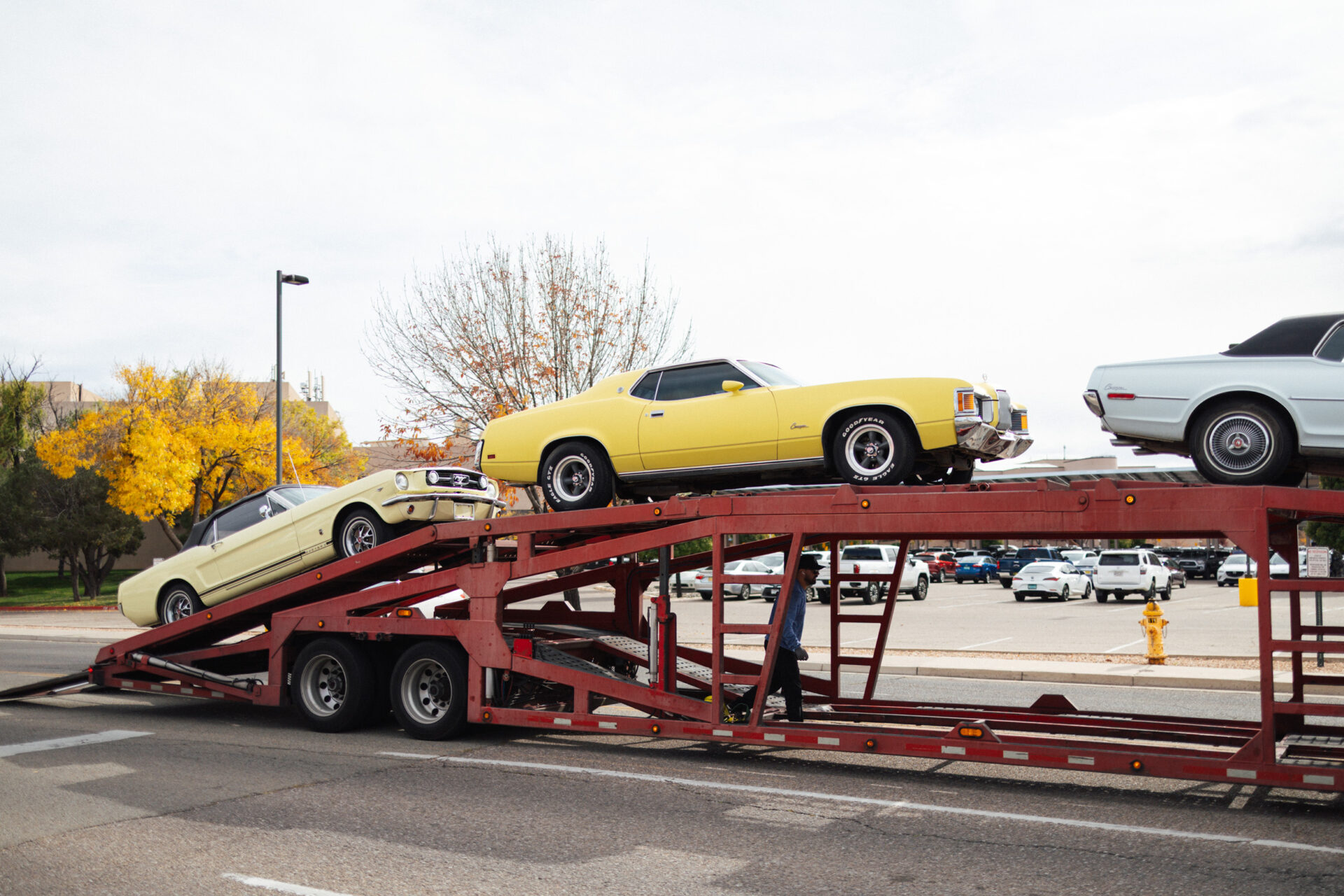
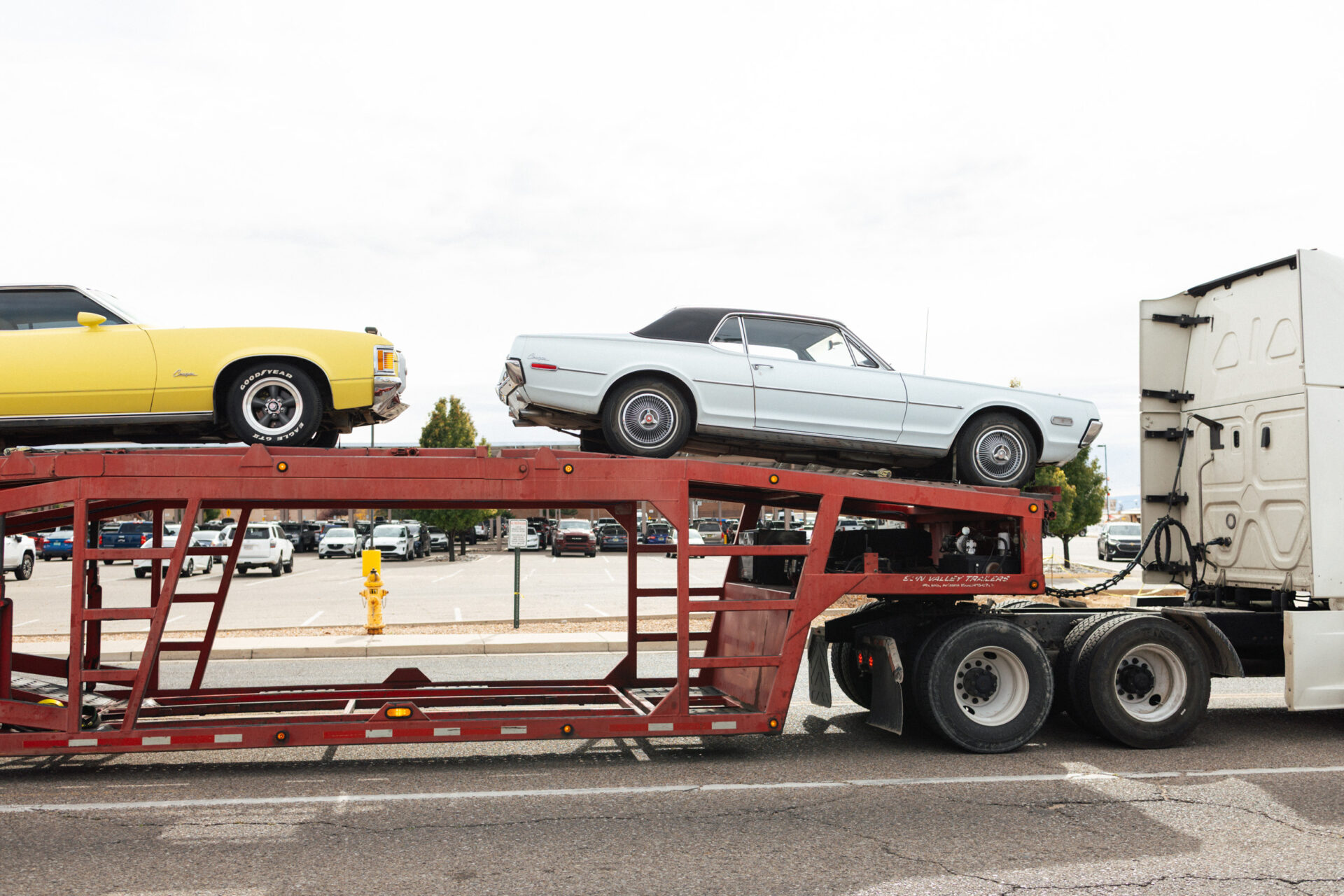
Whenever I visit, I try and get out on a trip with my good compadre Tim, even if it’s just for a night or two. This one, in fact, barely weighs in at an S24O – a ride could easily do in a day, but hey, what’s the rush, let’s get out and camp!
I’ve tried a number of variations to this loop when bikepacking – this being the most compact – and you can check a couple of them out in the links at the very bottom of the post. But in broad brush strokes, it climbs up towards Atalaya, peels off onto Dog Park – destination Arroyo Hondo – before turning back to town, finishing up with a bumpy jaunt down St John’s Arroyo.
All in all, this is a great little loop with a real mountain biking, backcountry flavour, especially as it’s straight out of the front door and hits up my favourite climb out of town. A number of the connectors on this iteration were new to me, which made it especially fun, and invariably deepened still further my appreciation for riding in New Mexico. What a place, what a place…
Anyway, find some words about the trip below, plus some gear talk. Thanks for sharing the fruits of your diligent research, Tim… and your roasted veggies too!
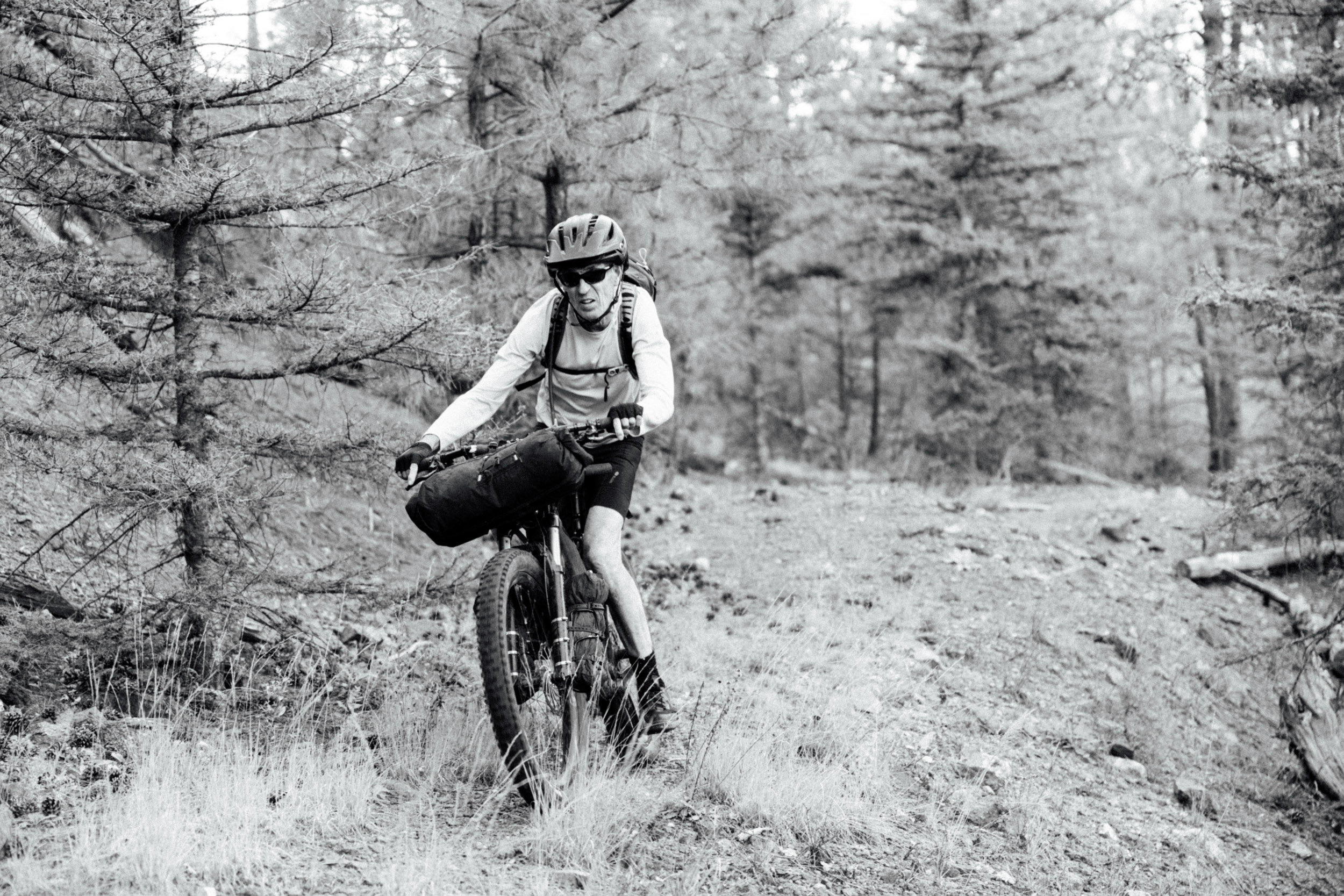
Tims’ been riding these trails since mountain bikes came with rigid forks and triple chainsets. Now look at him!
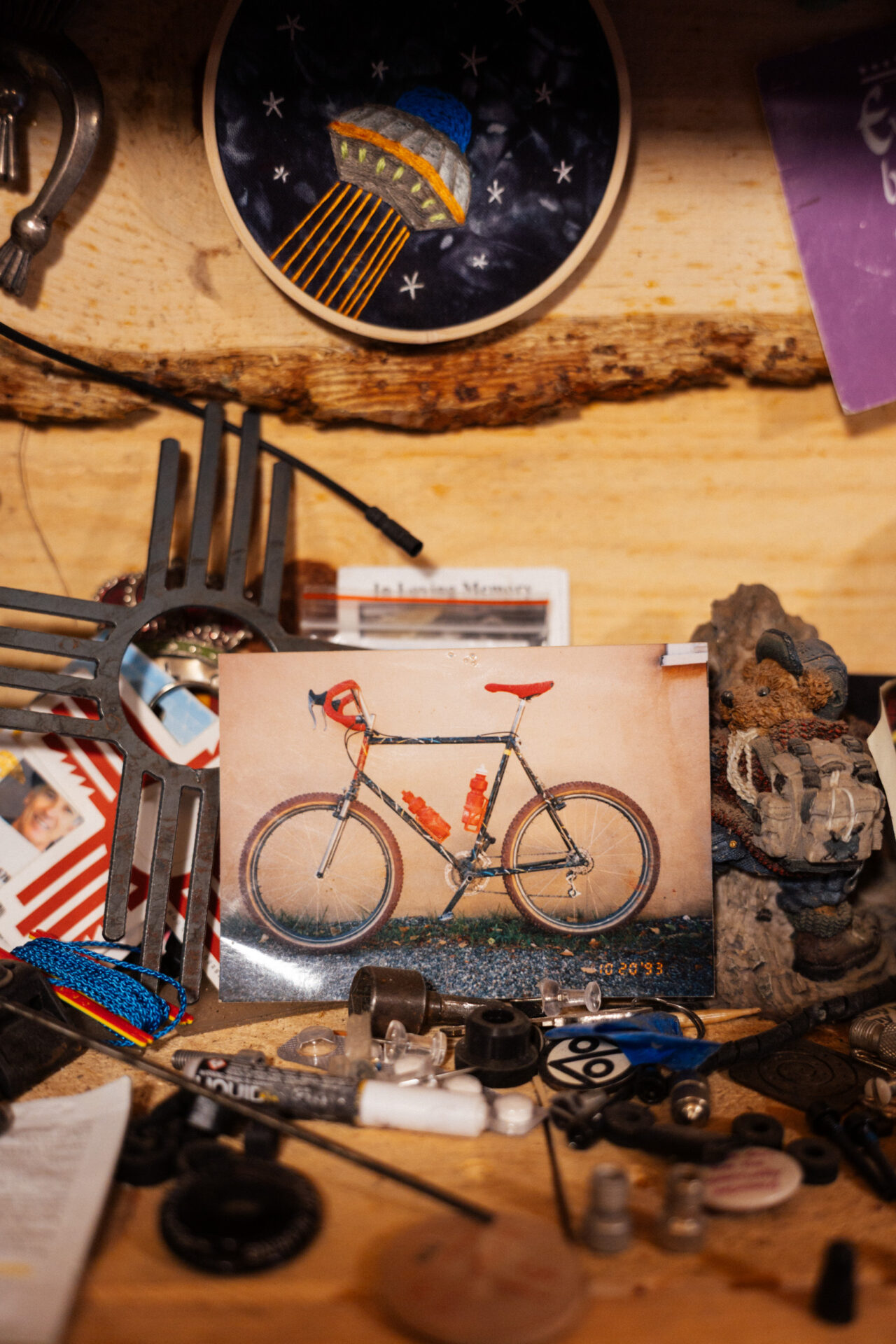

In fact, this is one of Tim’s earlier bikes, circa ’93. It’s a Trek frame with a custom paint job and Bullseye hollow steel cranks. Note the IRD titanium fork and the drop handlebars, à la Charlie Cunningham.
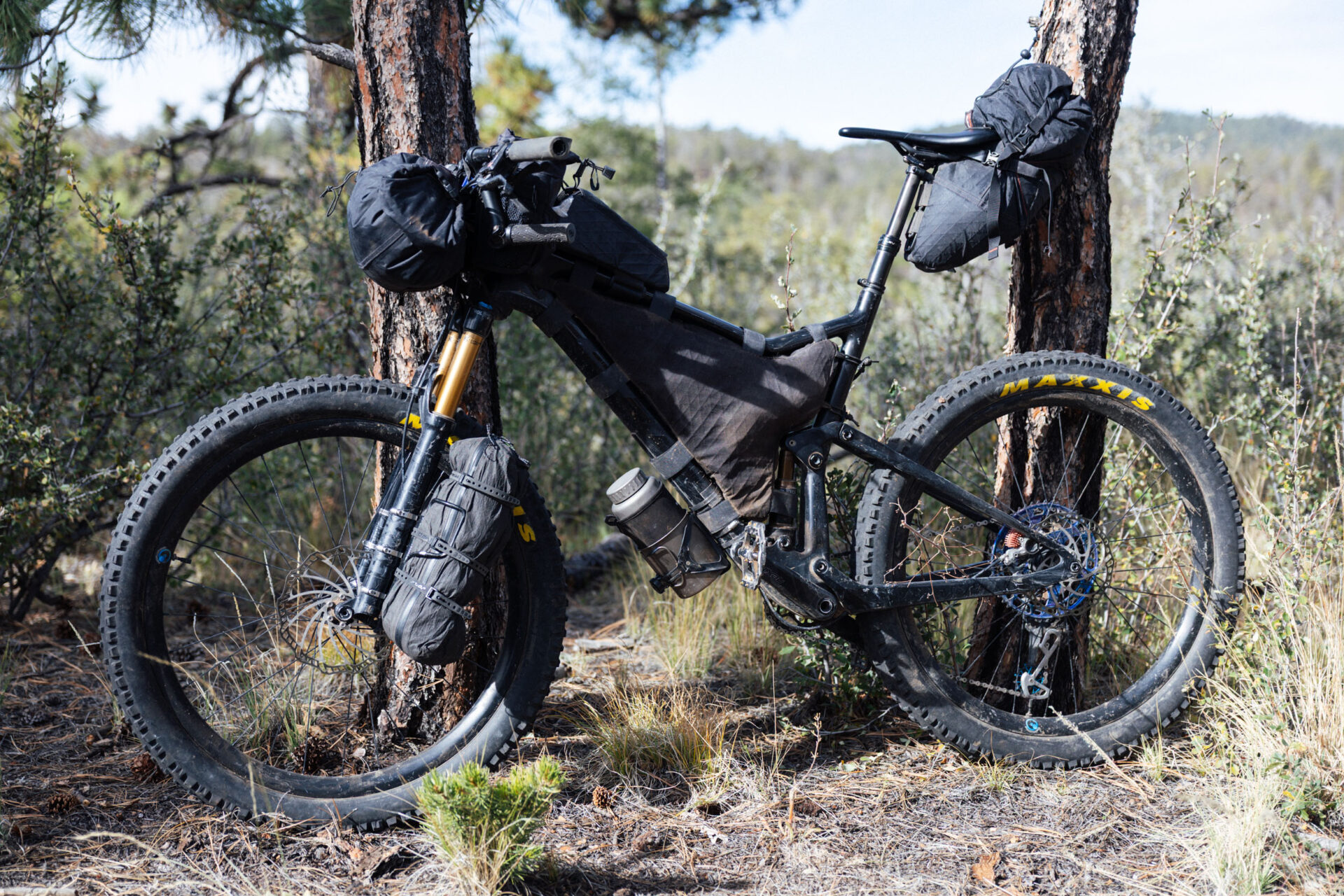
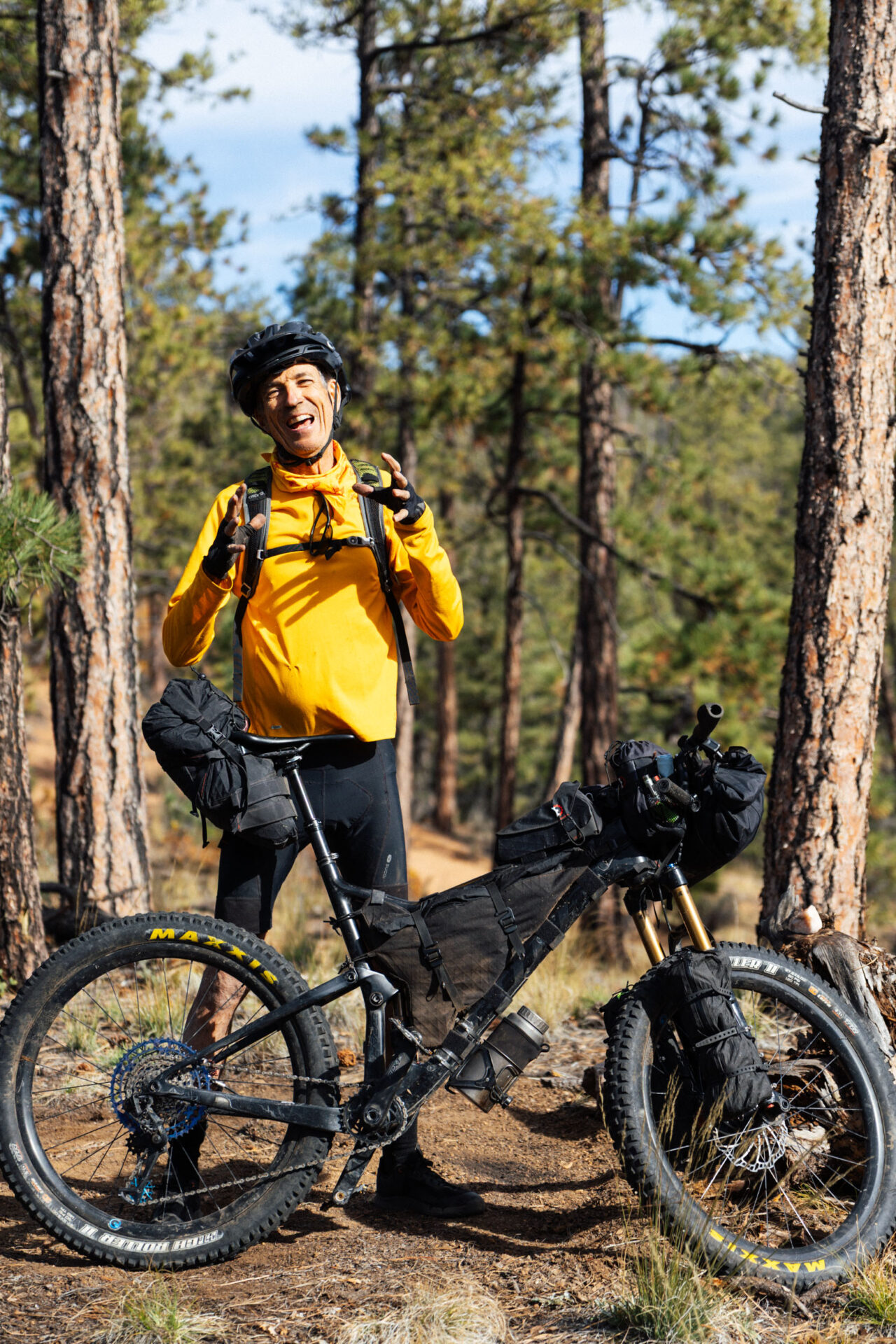
In contrast, this is Tim’s all singing all dancing full suspension carbon rocket. Fully loaded, it weighs little more than my bike unladen…
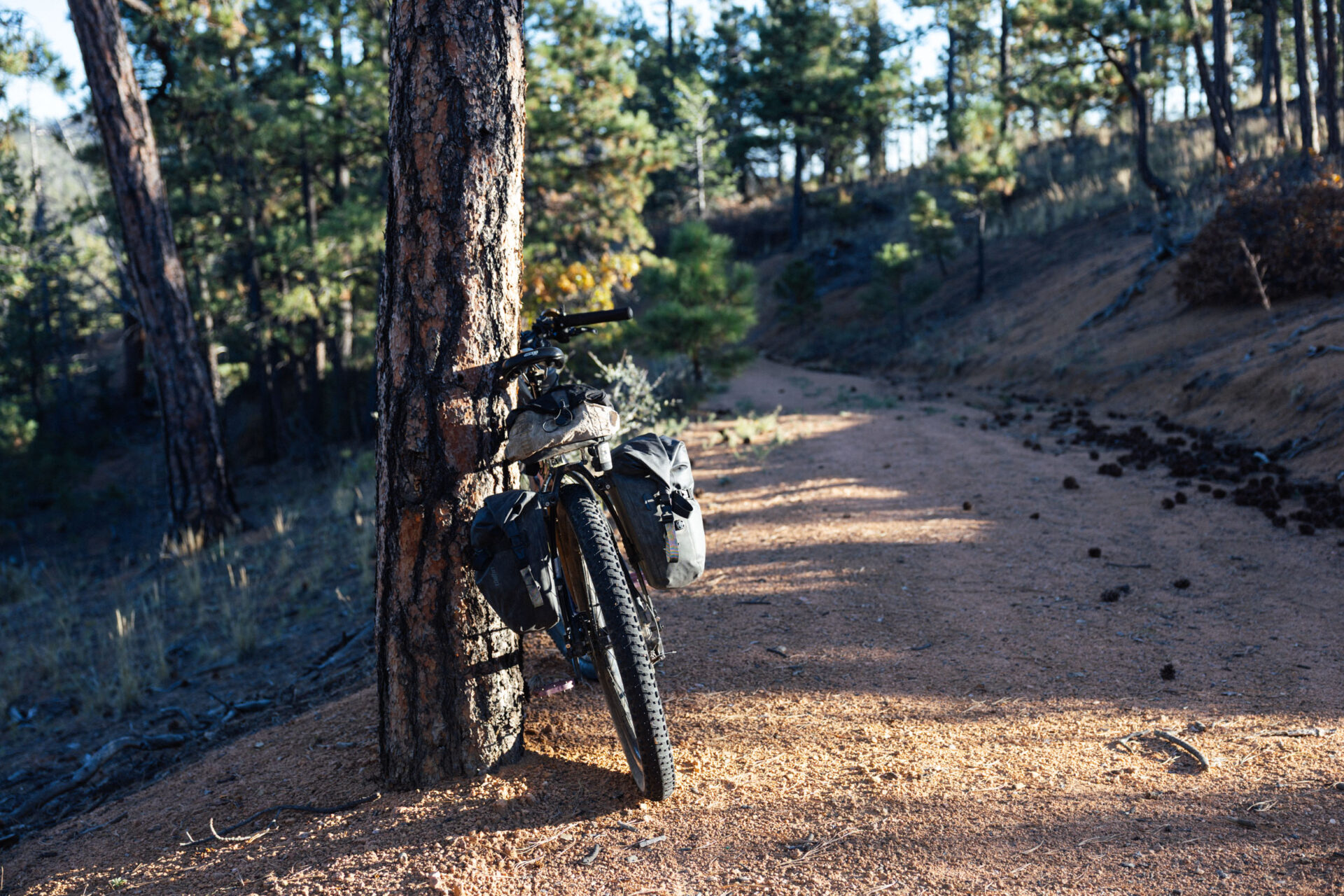
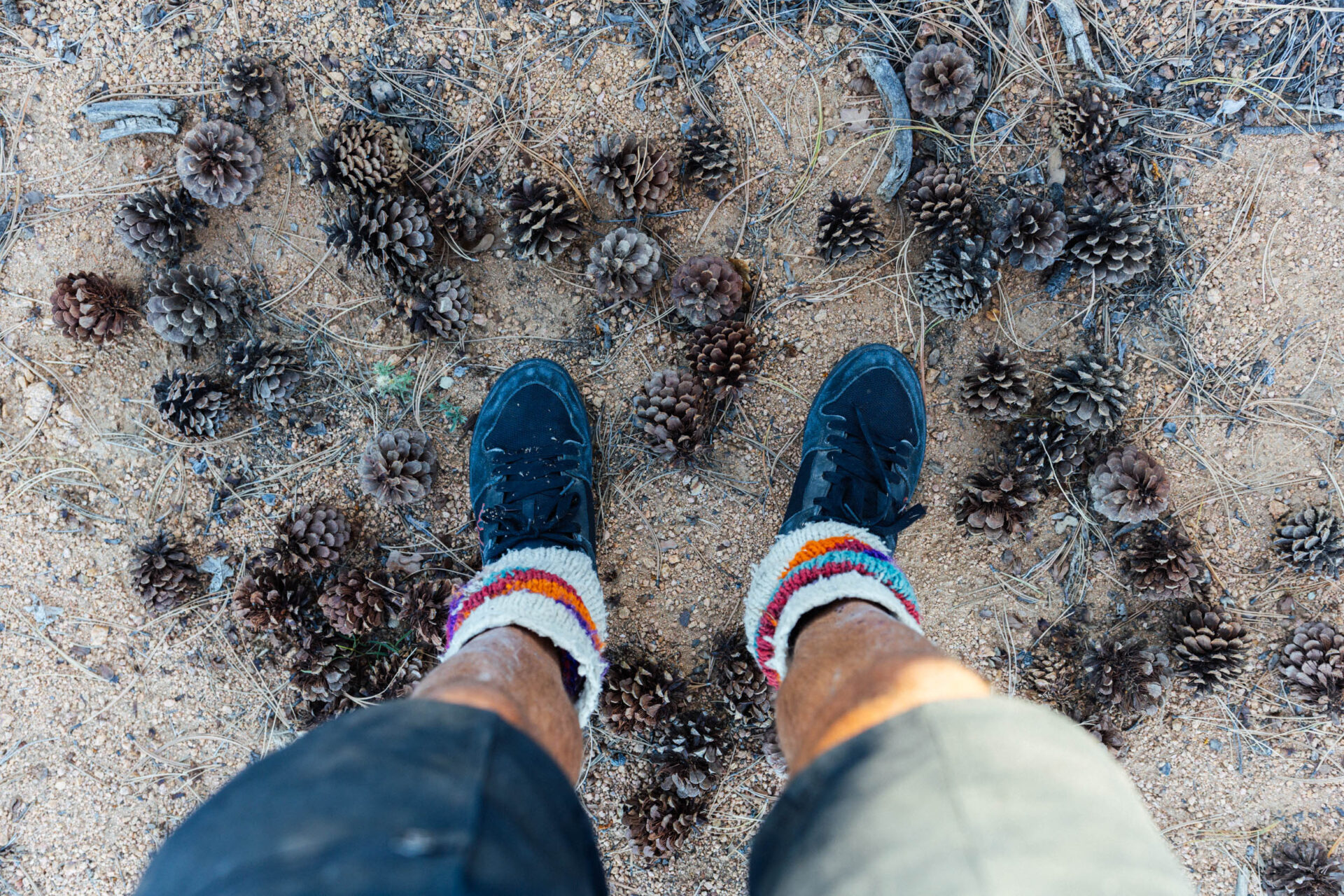
Ankle warmers have been deployed!
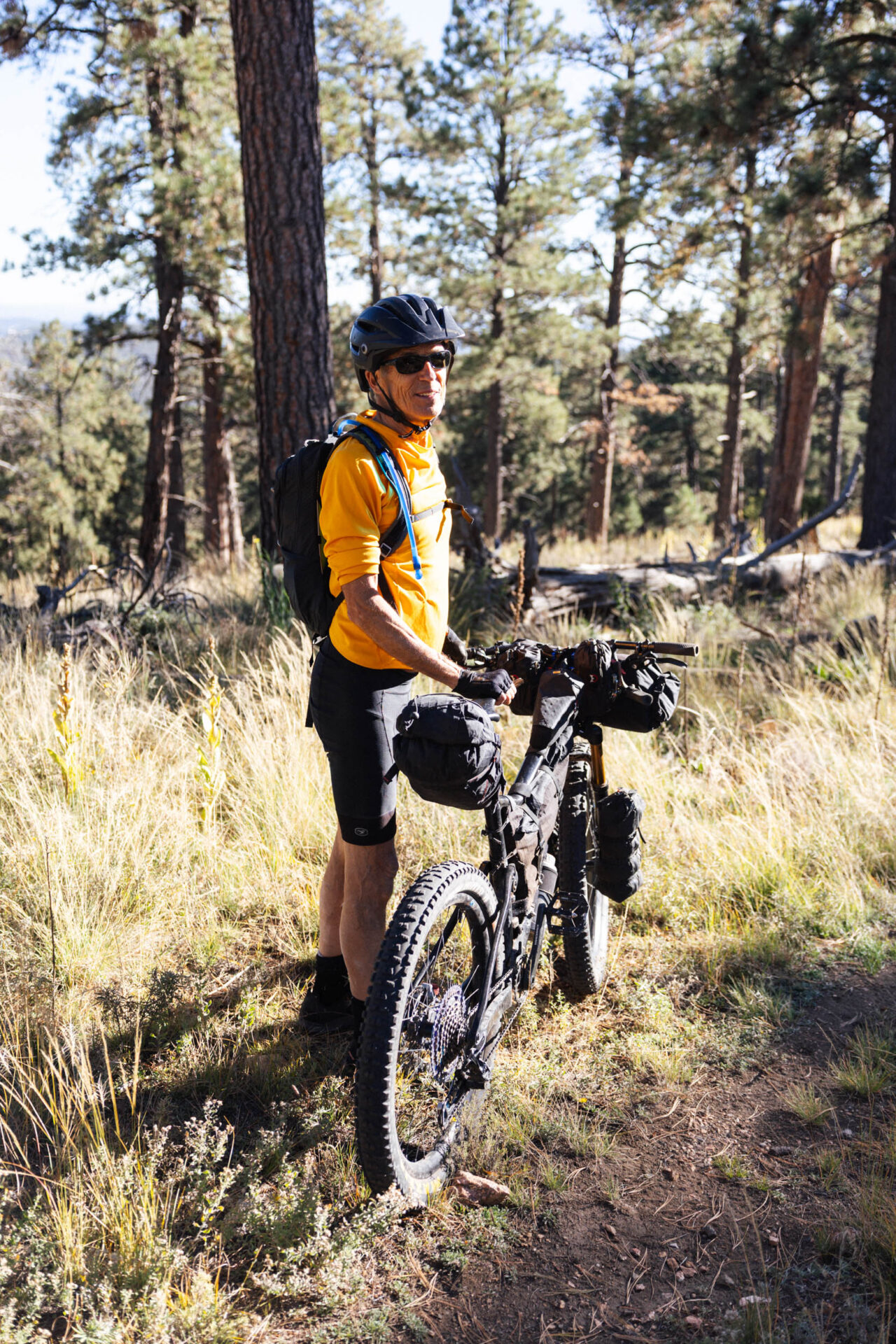
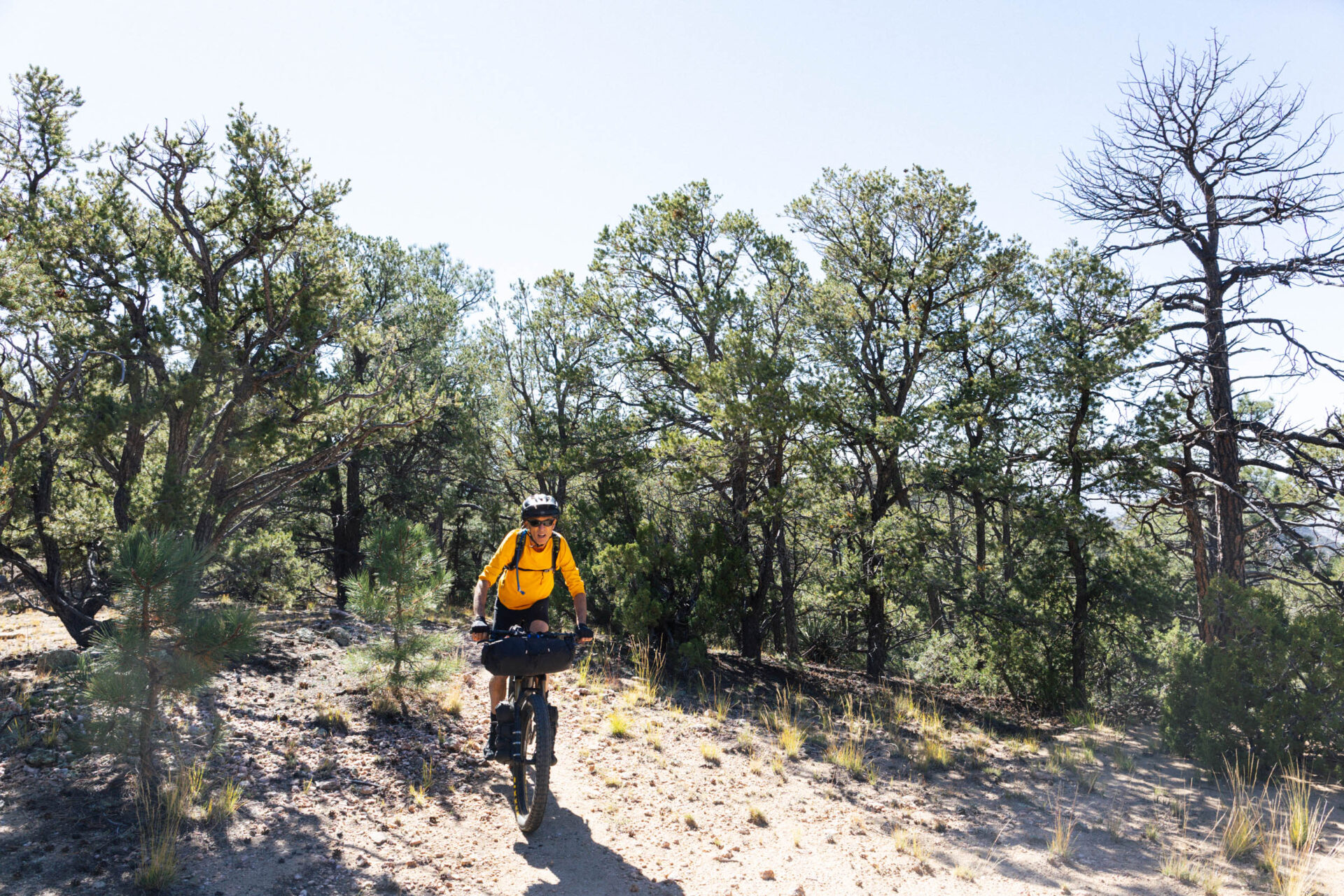
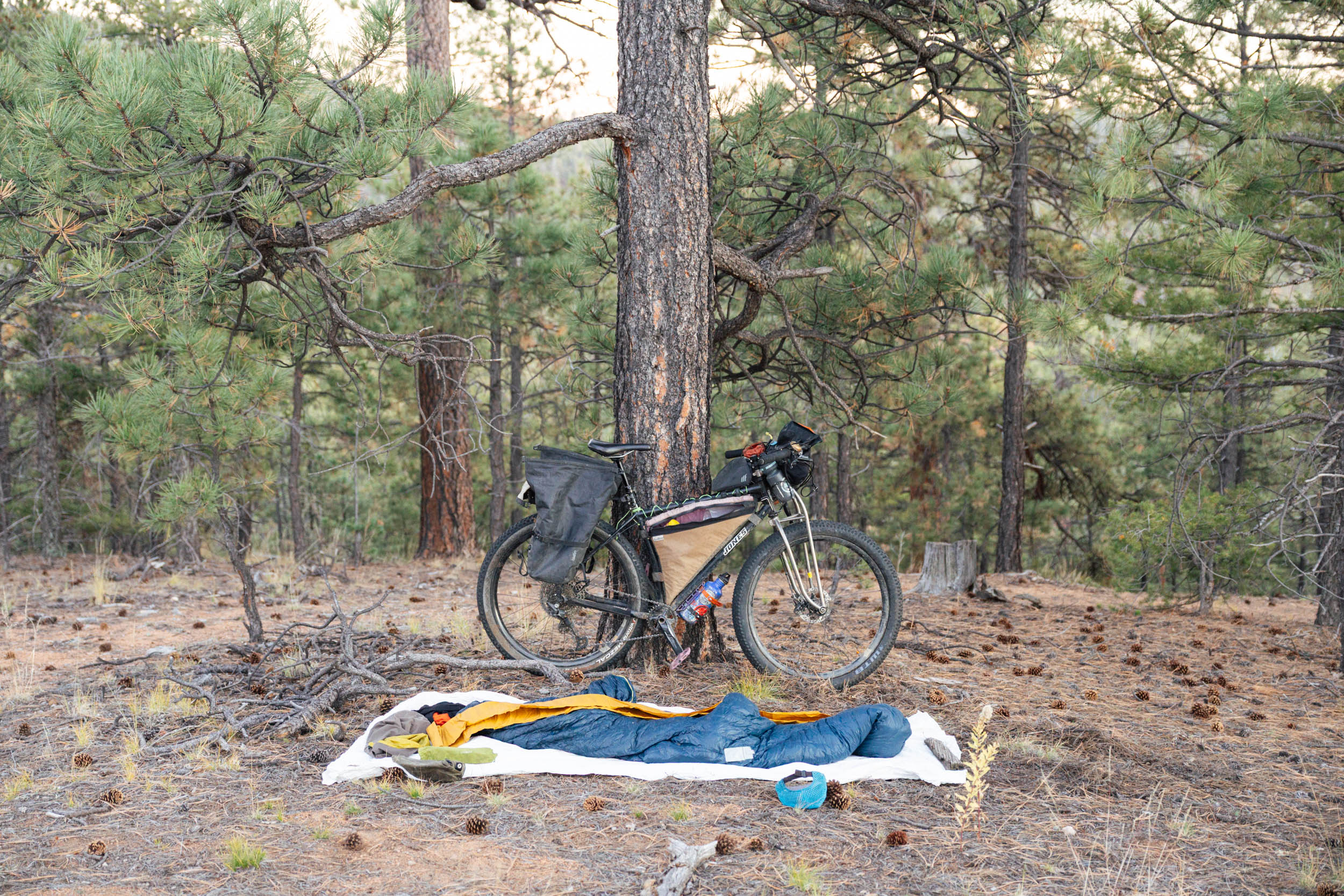
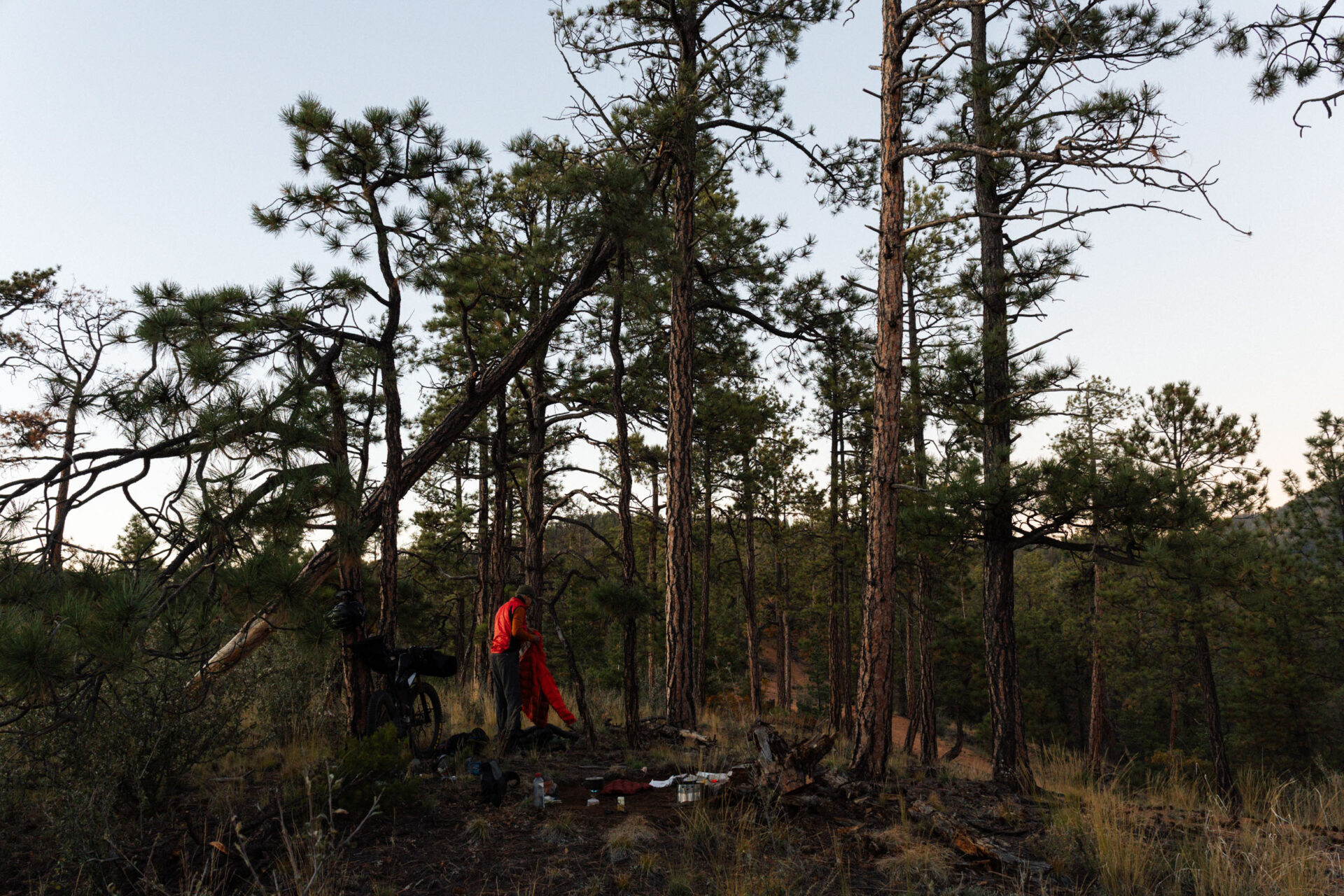
Thank you New Mexico for your clear skies and bug-free air!
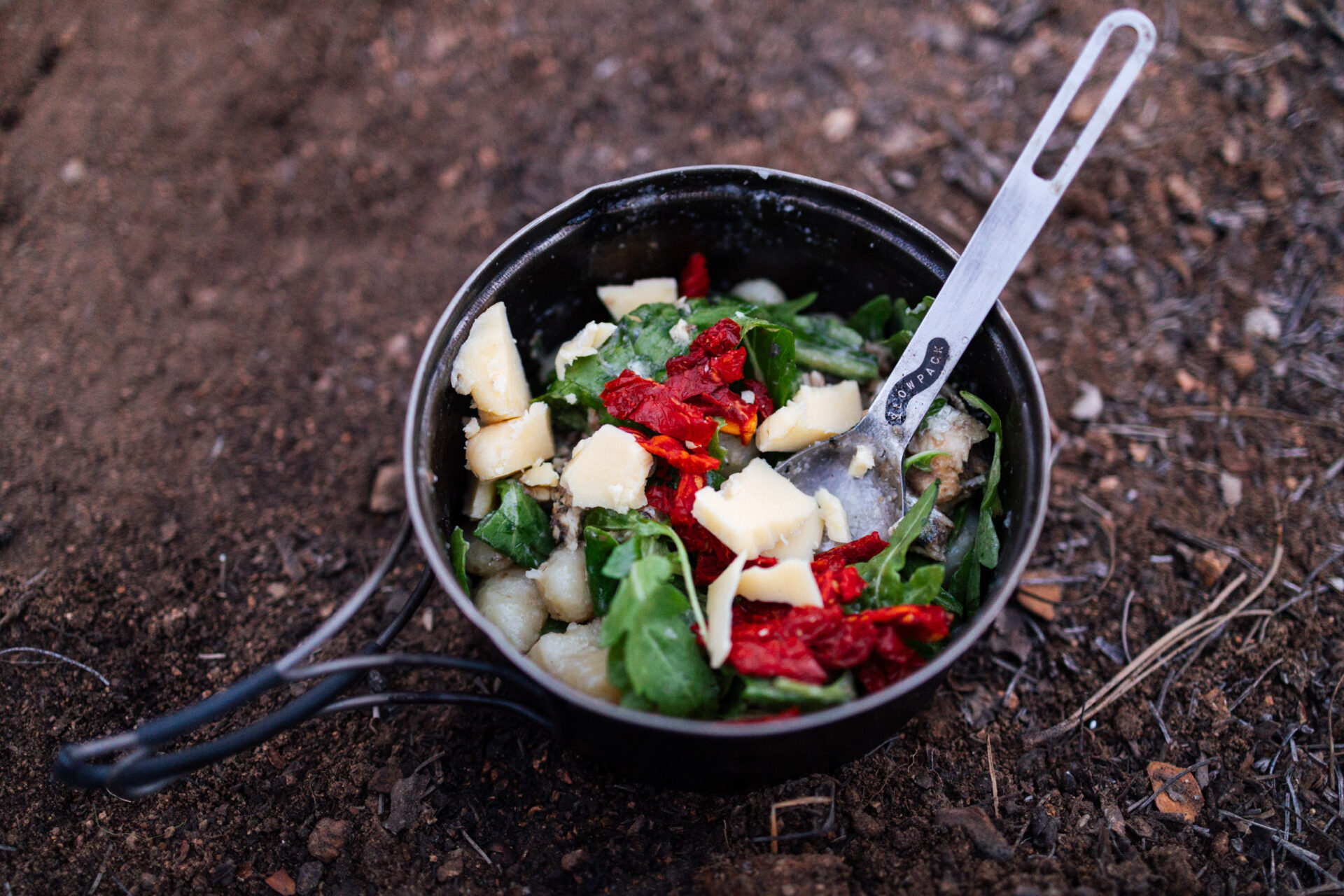

Gnocchi, cheese, sundried tomatoes, arugula, and olive oil were on the menu for me.
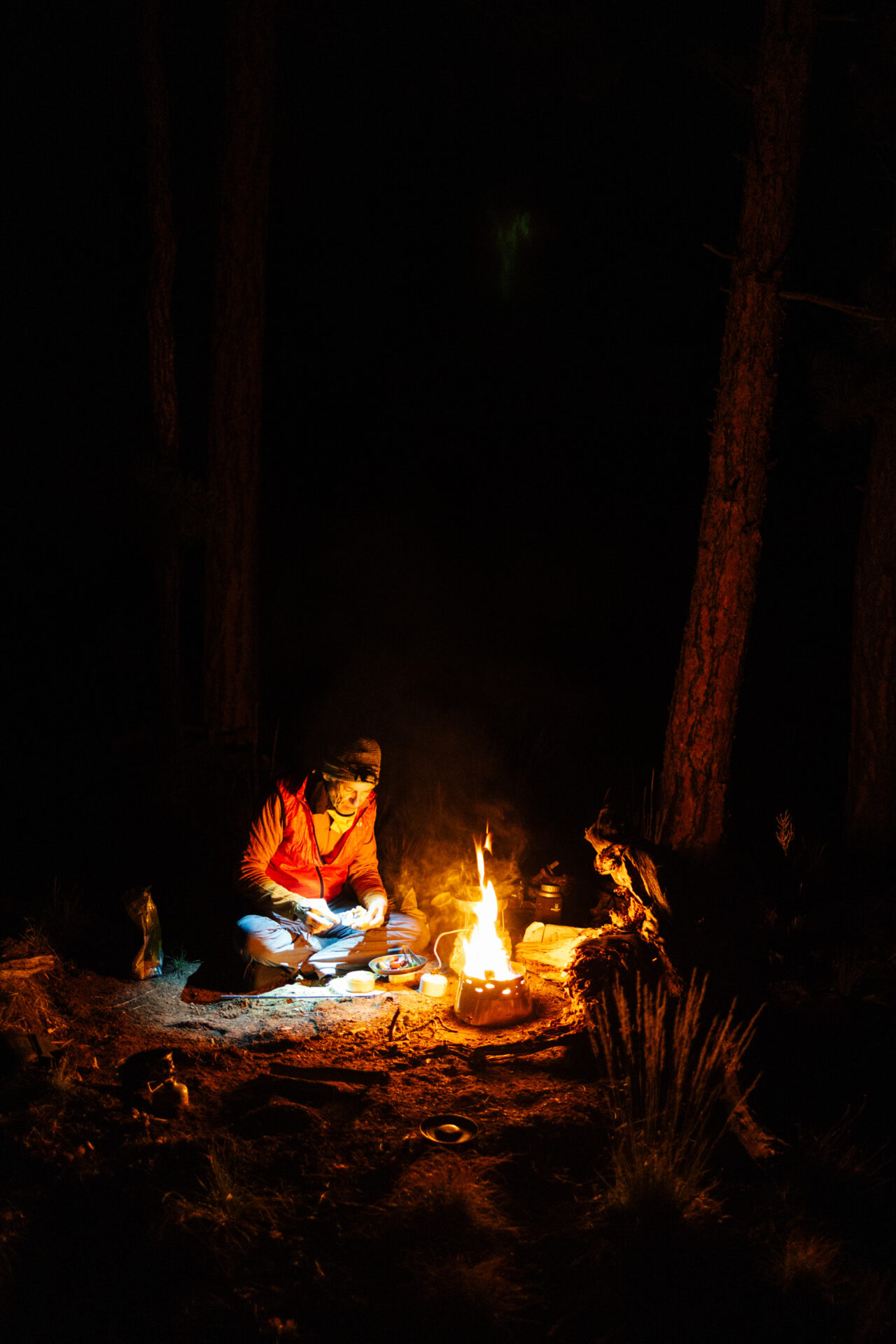
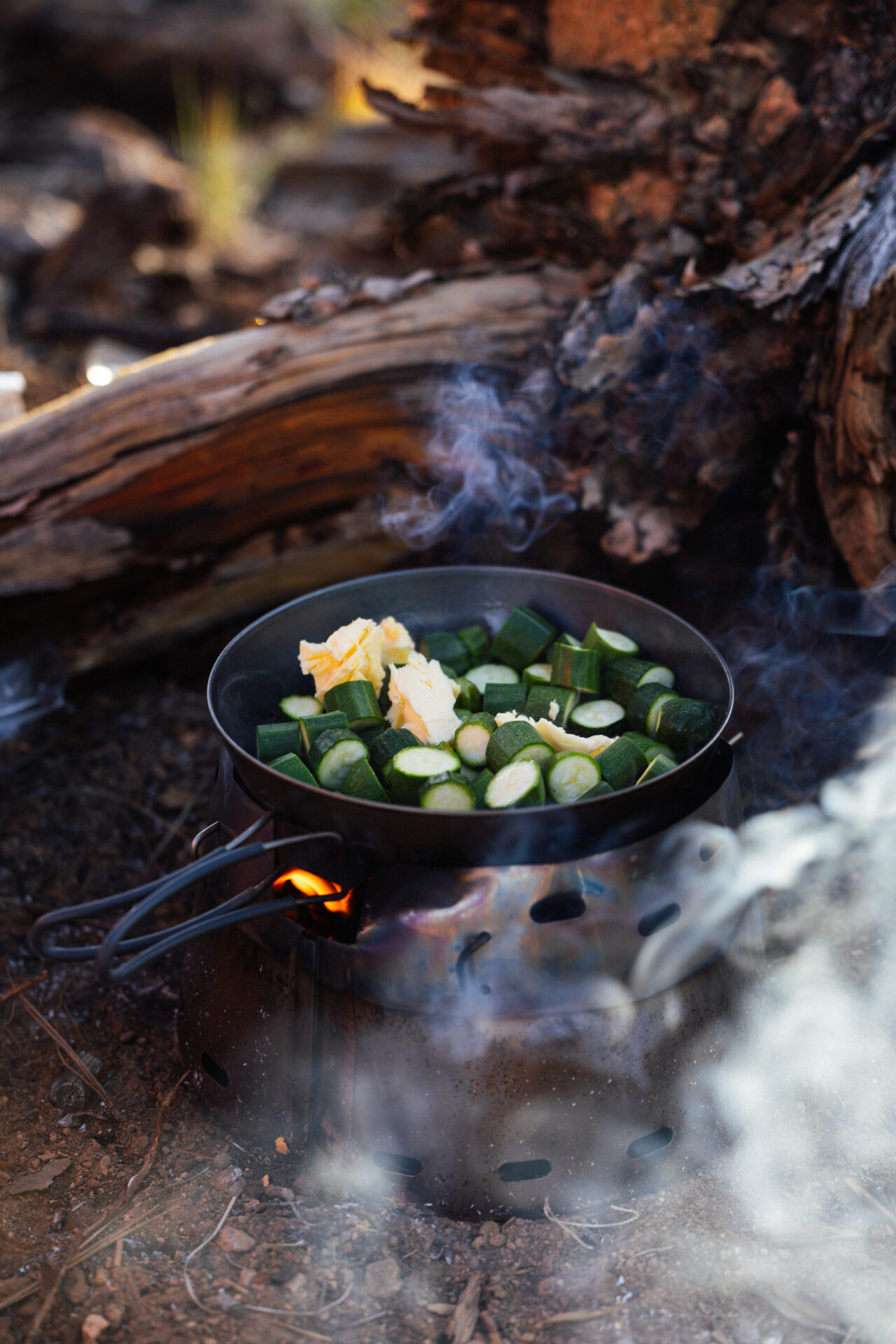
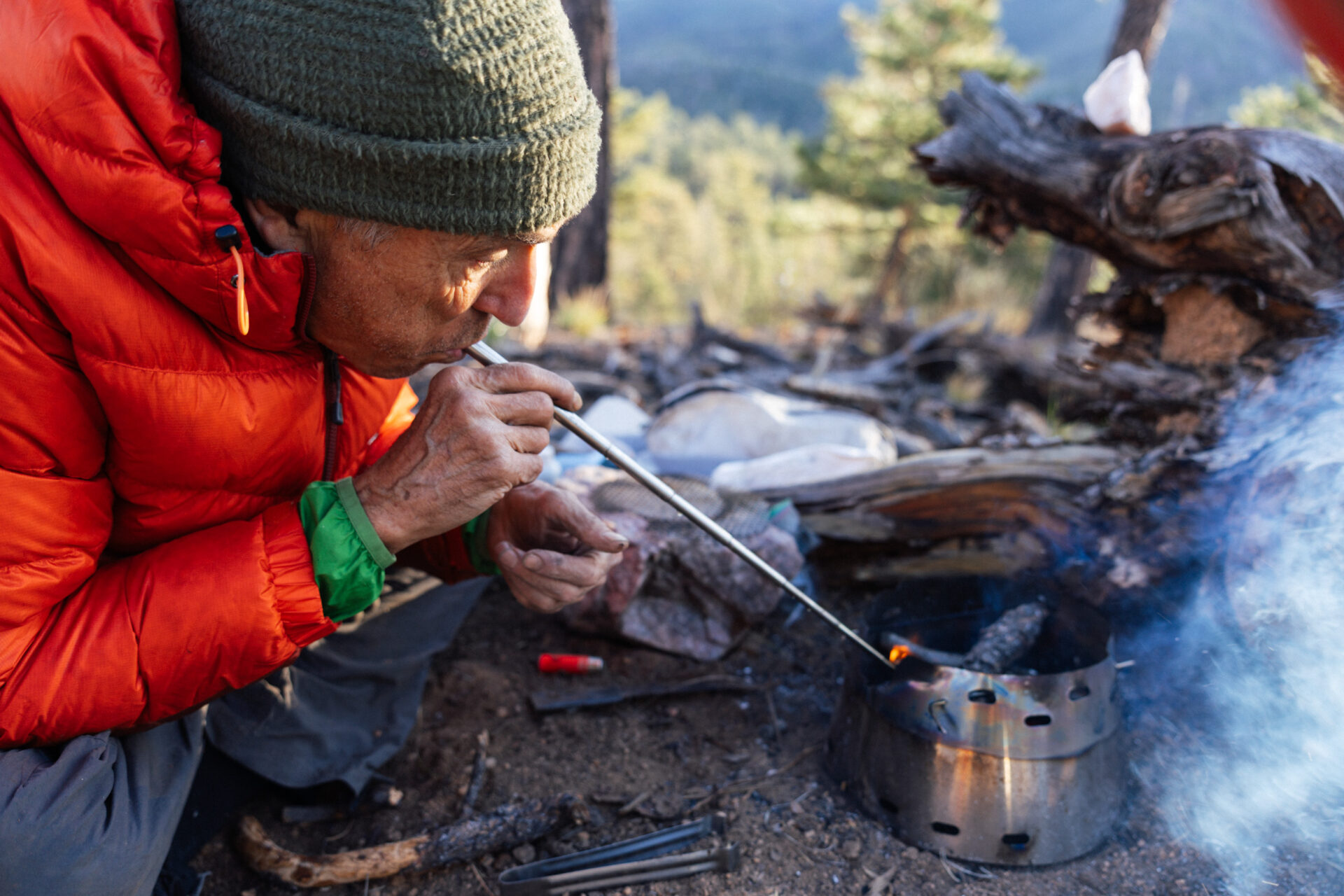
Tim got the Caldera Cone going to fry up both his dinner and breakfast… The kit includes a base piece, which both bounces back heat and protects the earth from being scorched. And did you see that blob of sizzling butter?

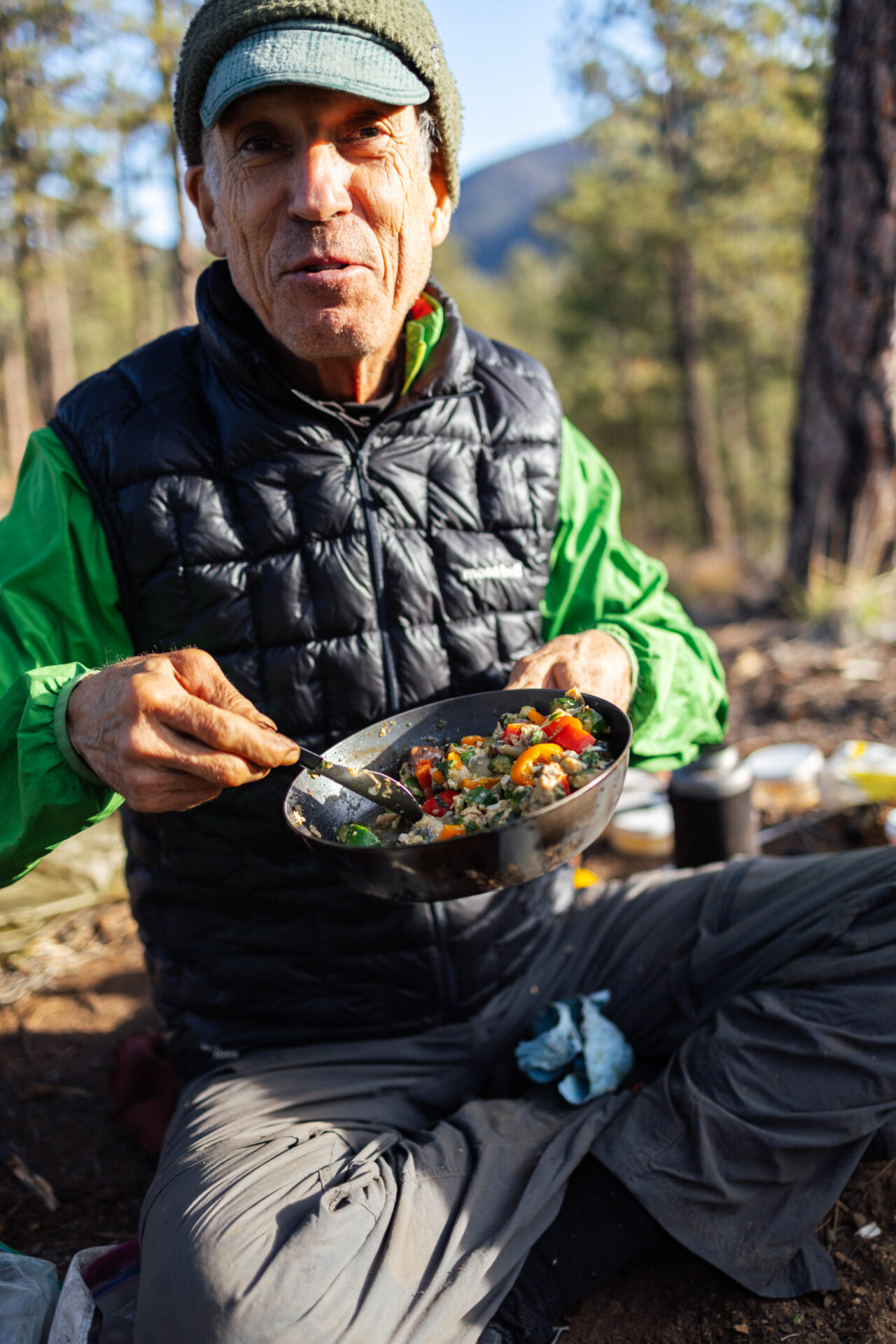
What a breakfast, complete with 3 eggs that made it down some truly rambunctious trails without exploding…
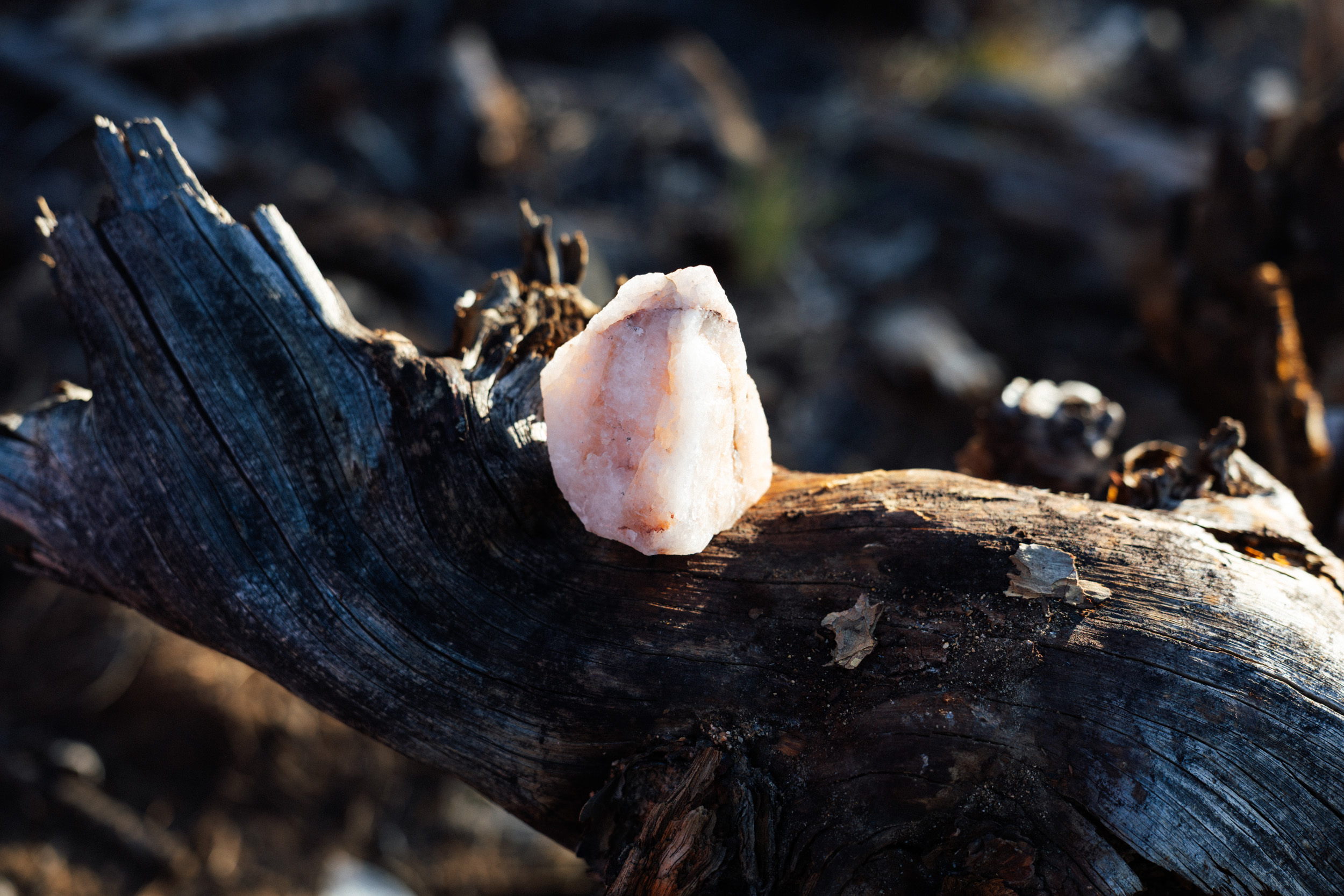
Also, we found this crystal and we’re pretty sure it gave us great powers. After all, we weren’t just bikepacking. We were on a spiritual quest.
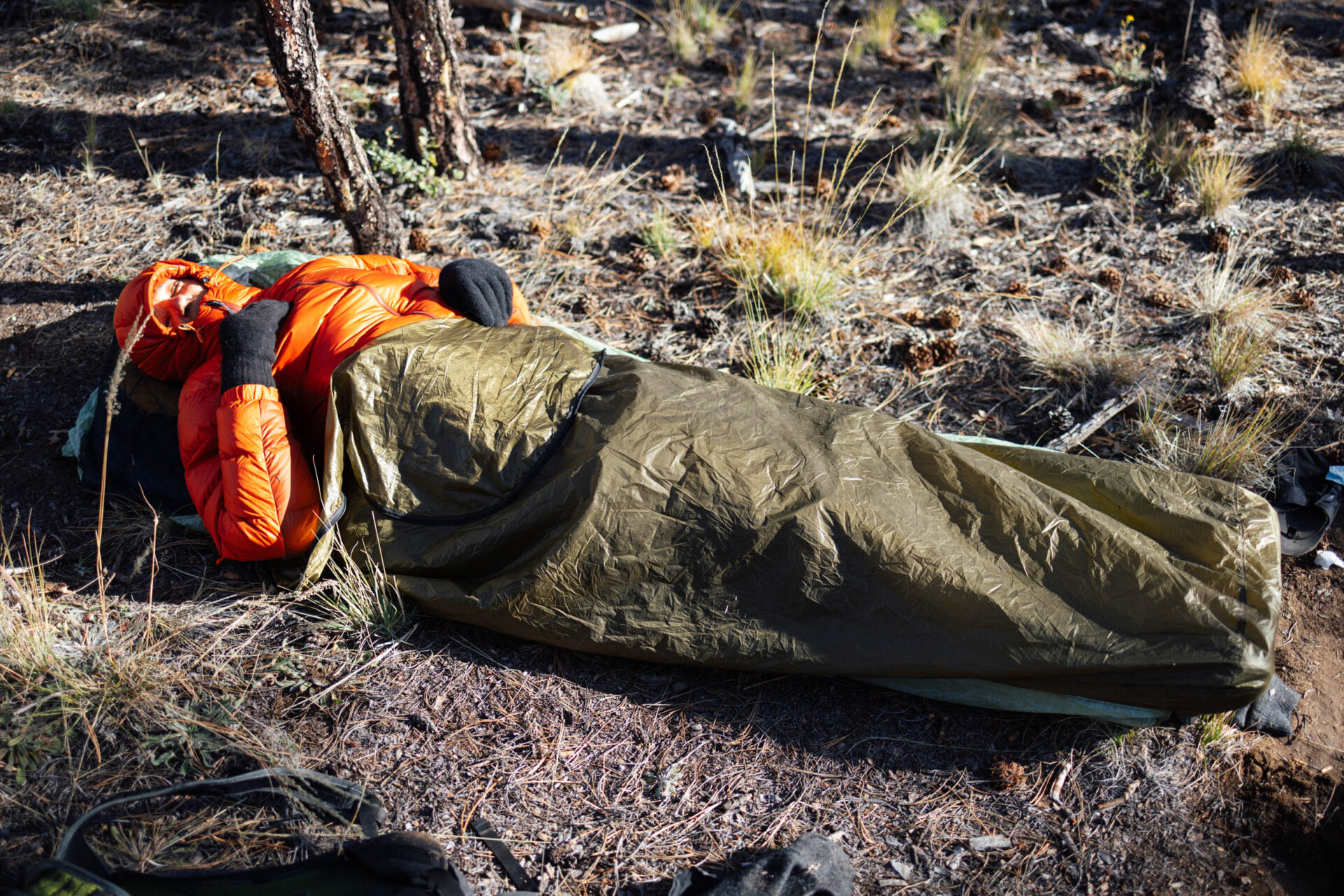
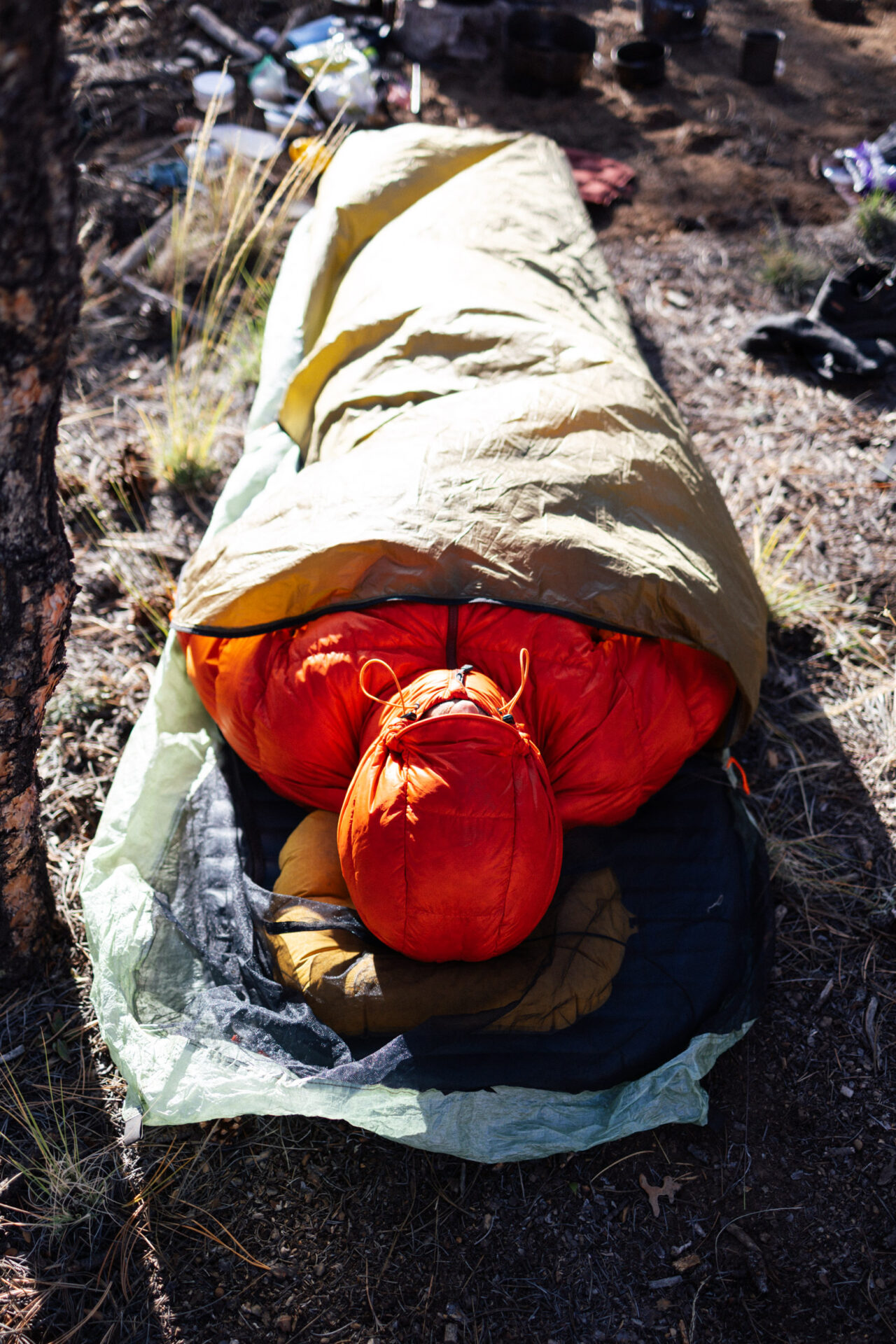
For this trip, Tim employed the laying principles to the extent that he was able to simply slip, fully dressed, into an ultralight bivy, no sleeping bag required.
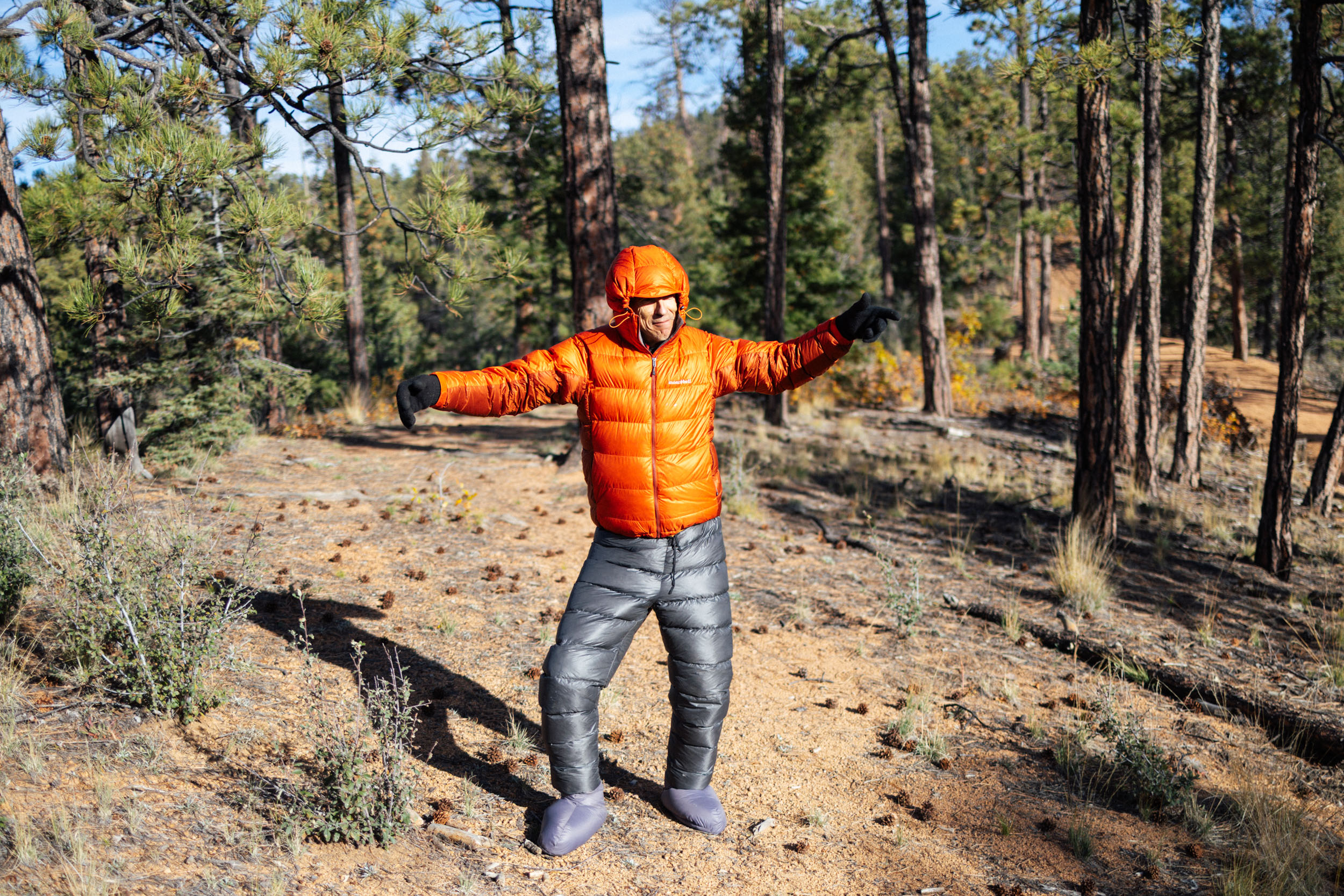
Triple Puff: Puffy Jacket, Puffy Pants, Puffy Booties… Why pack a sleeping bag when you can wear it?
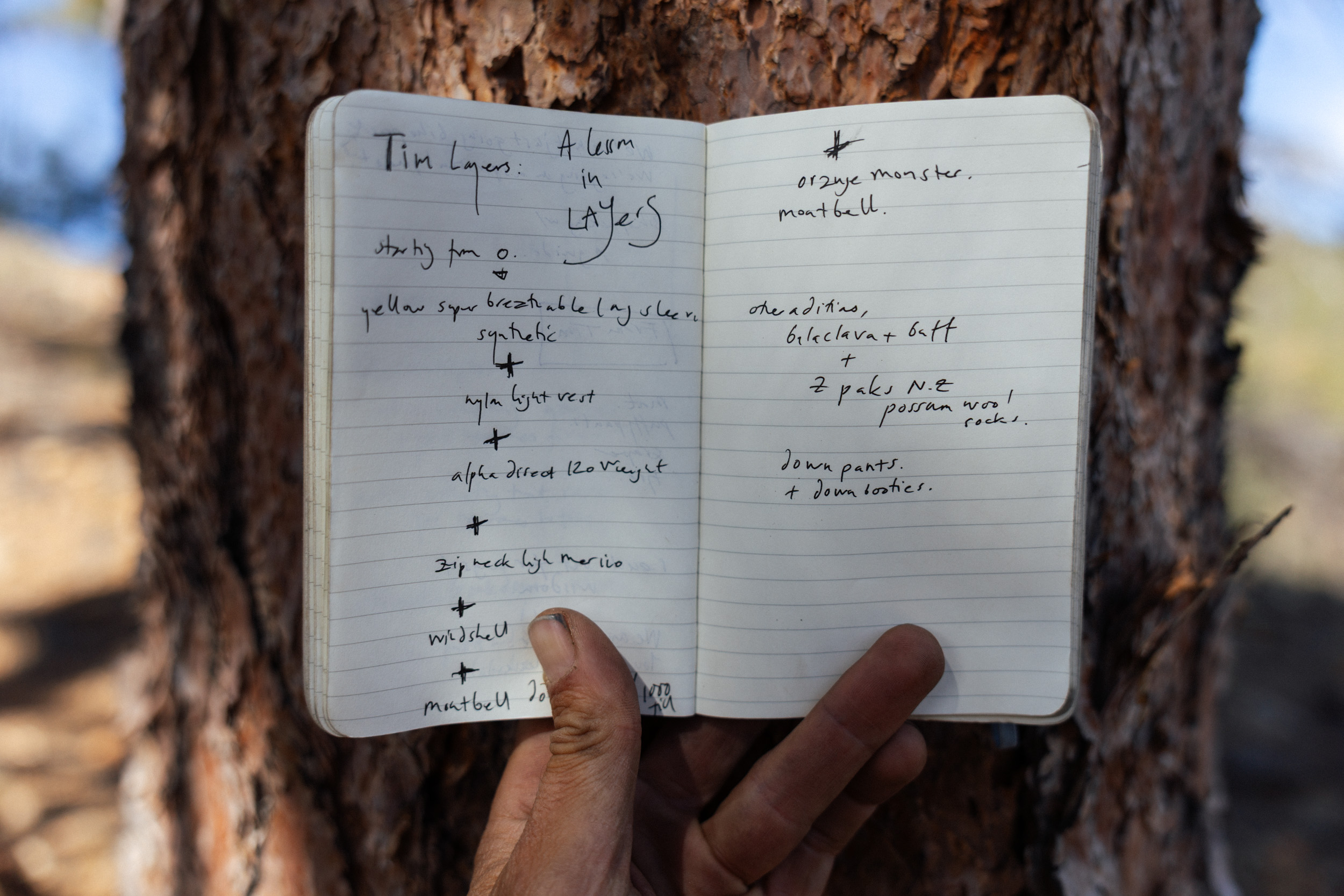
A Lesson in Layers… see below!
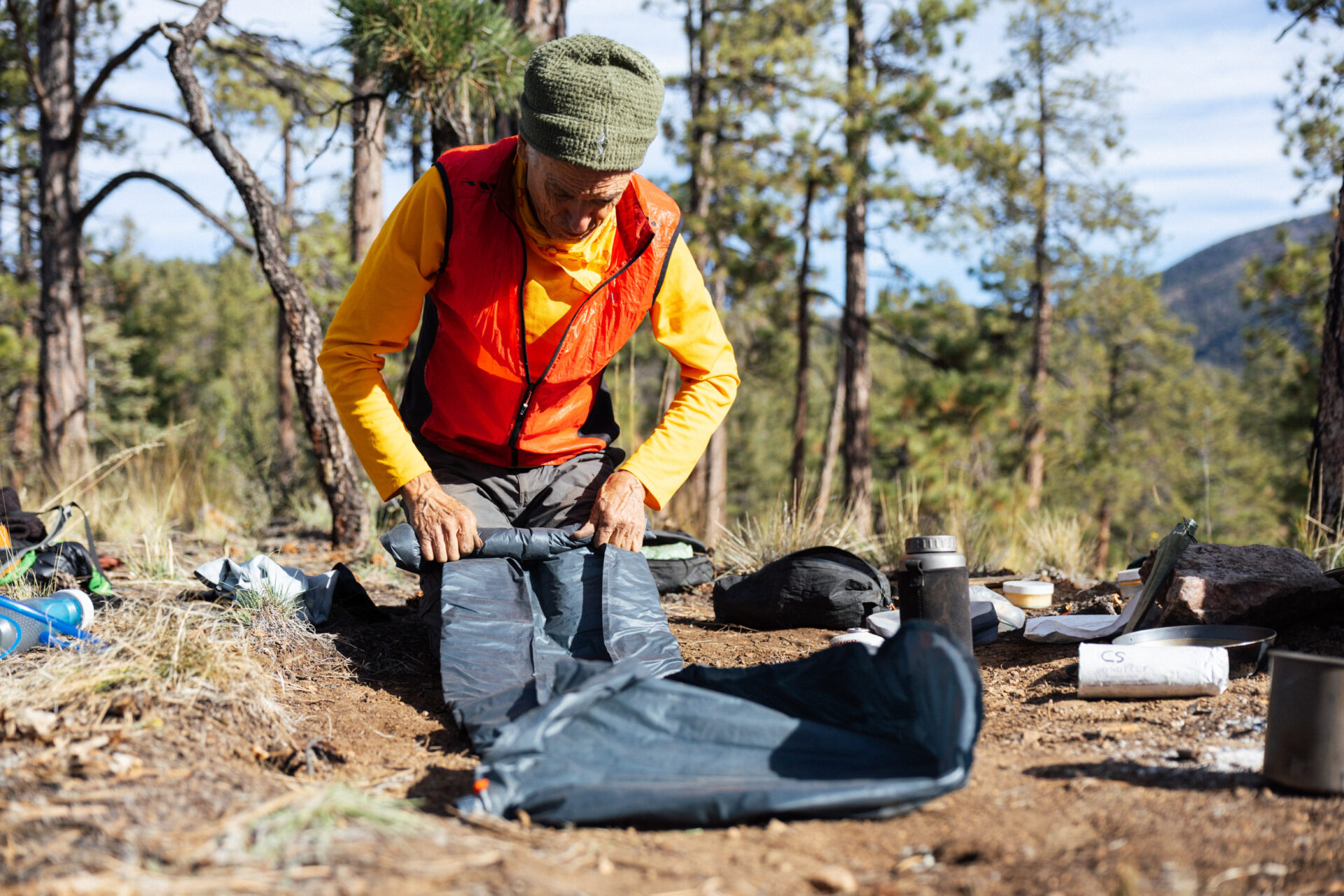
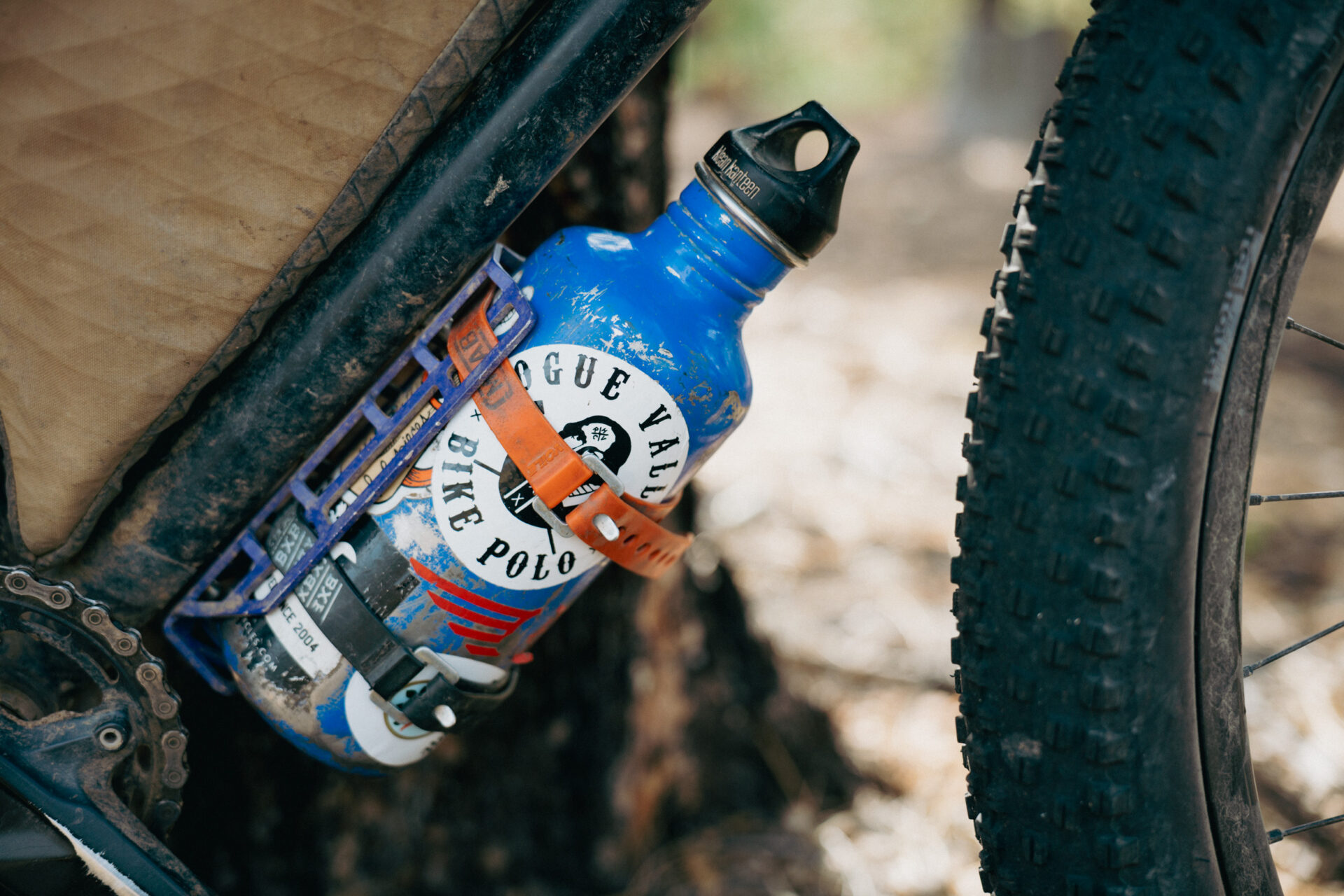
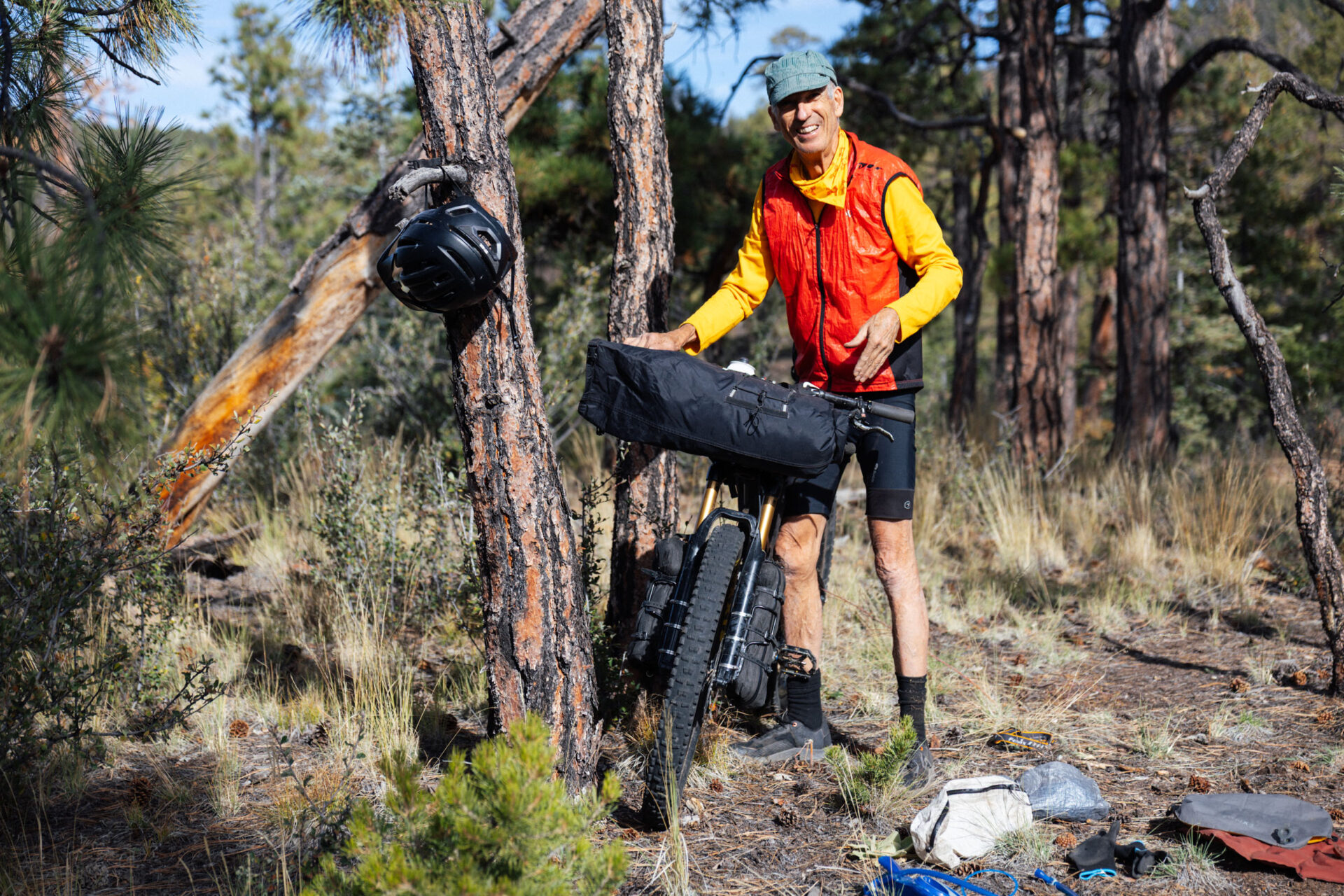
We enjoyed a very pleasant morning of life ponderings and gear talk.
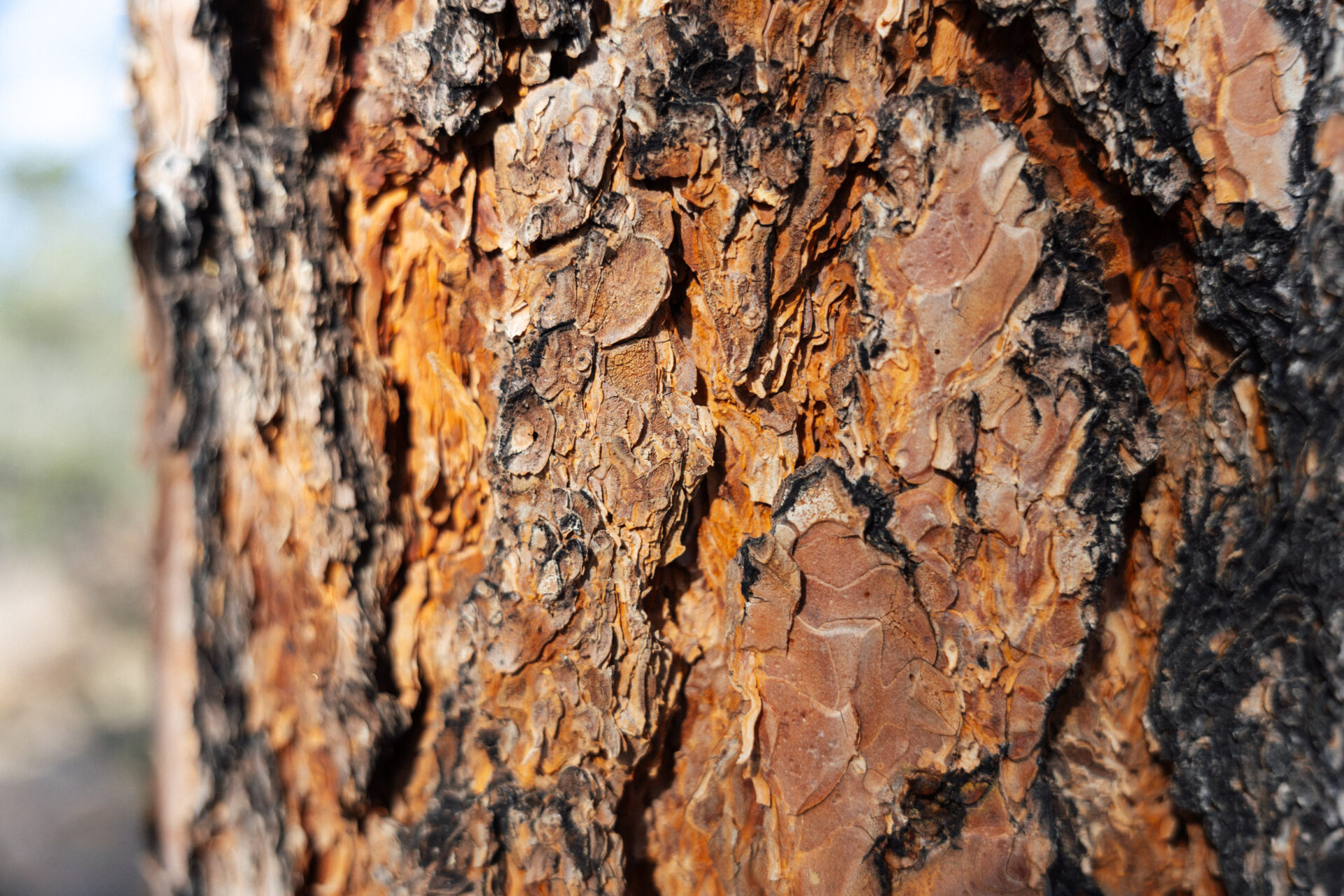
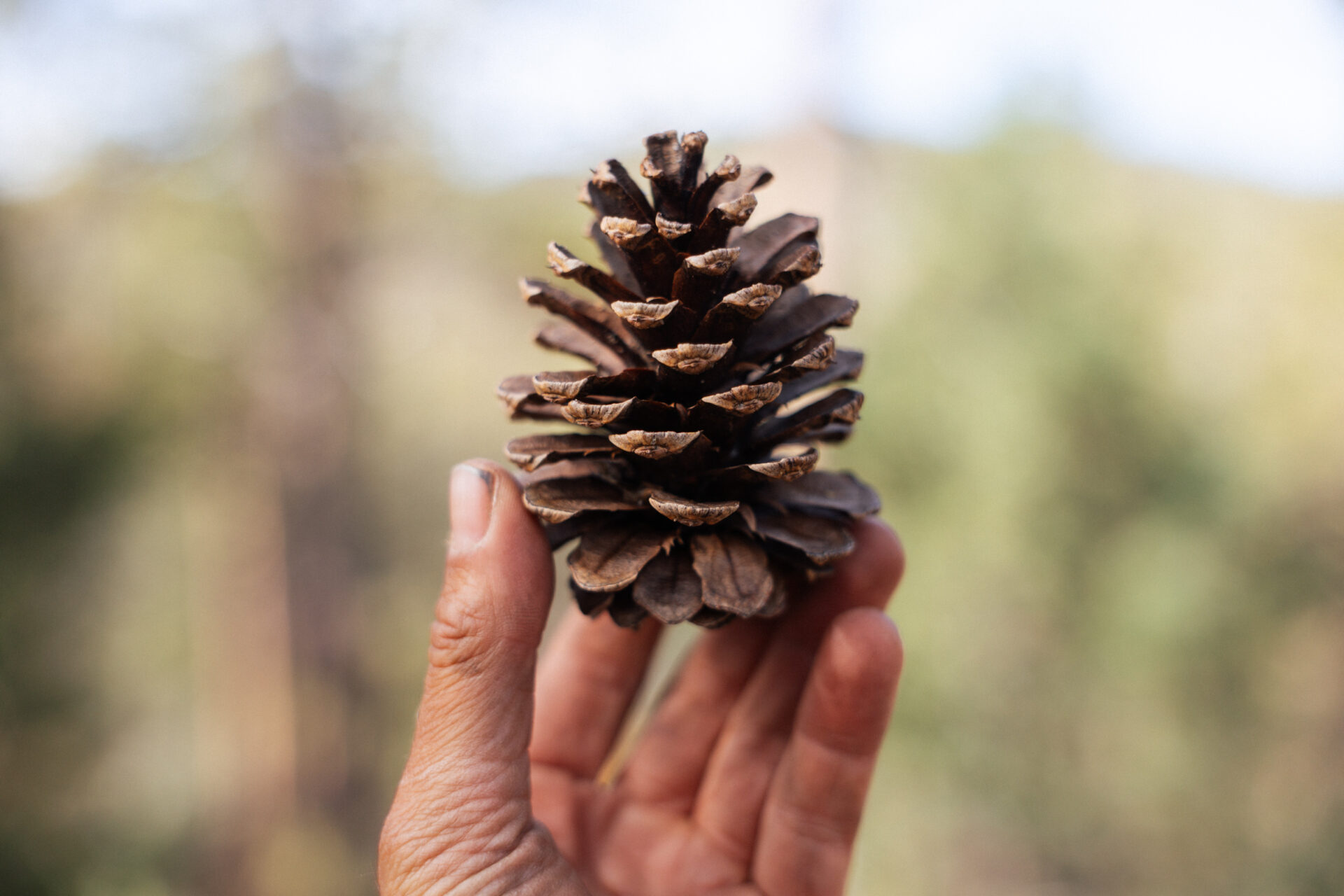
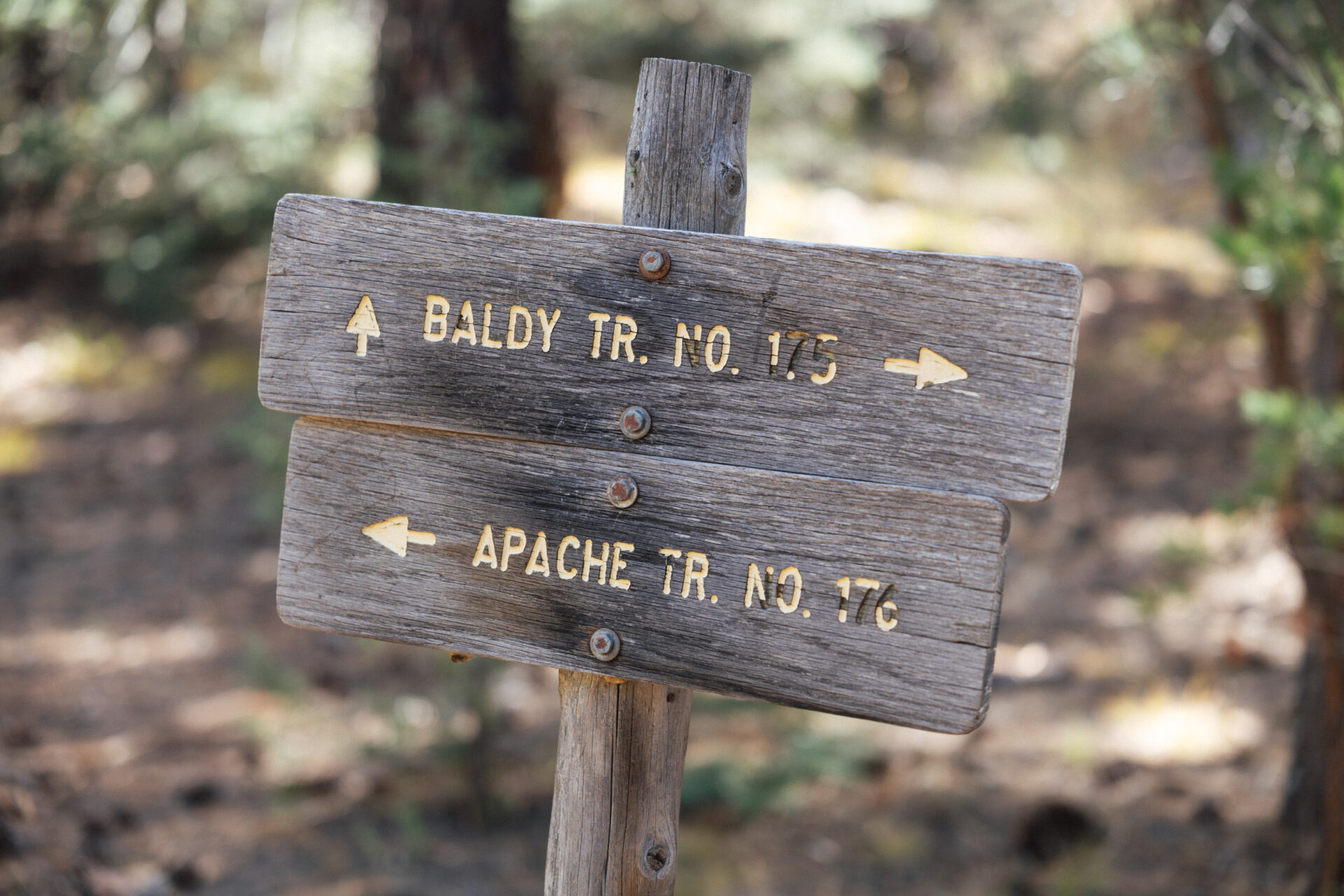
This is needle and pine cone country.
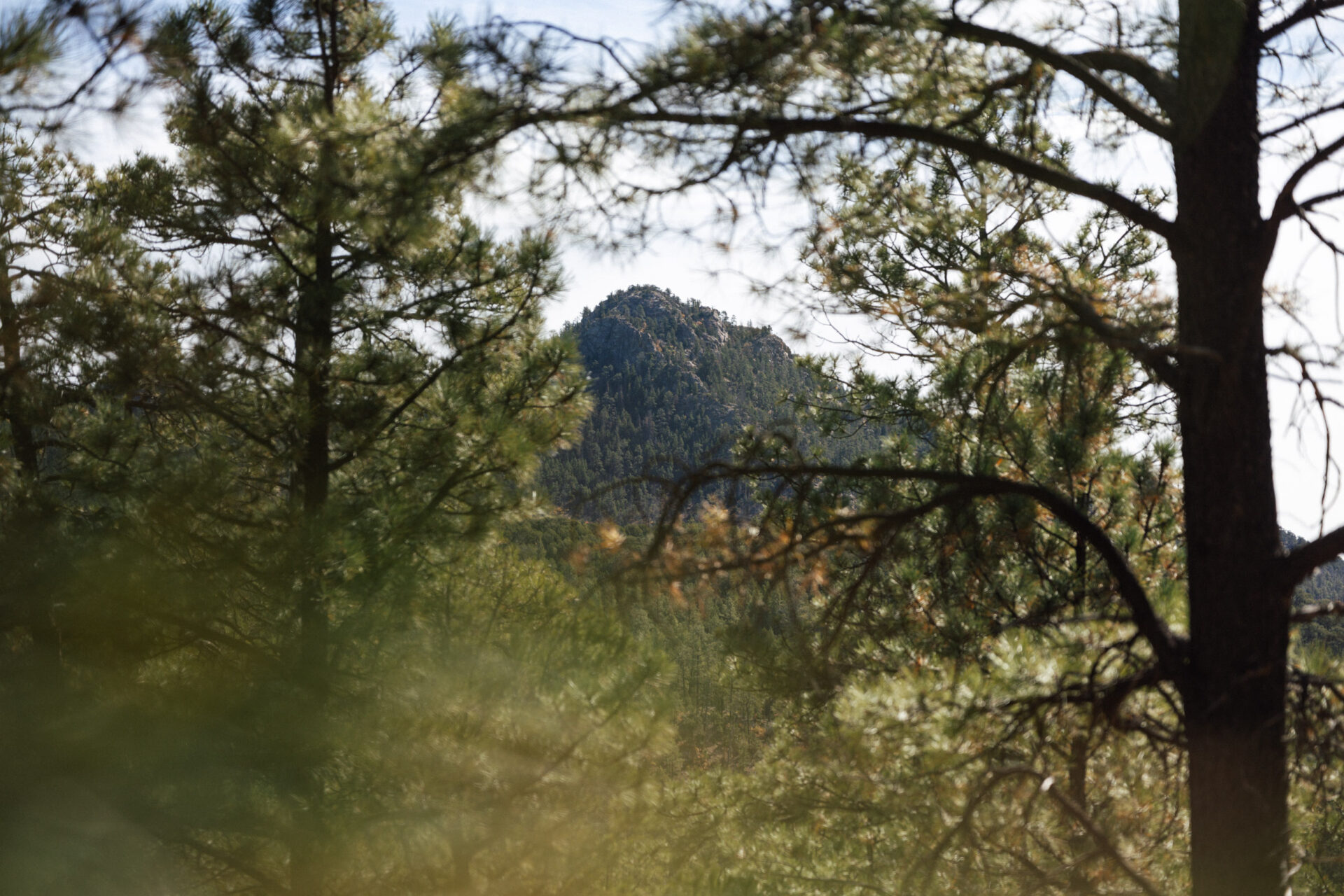
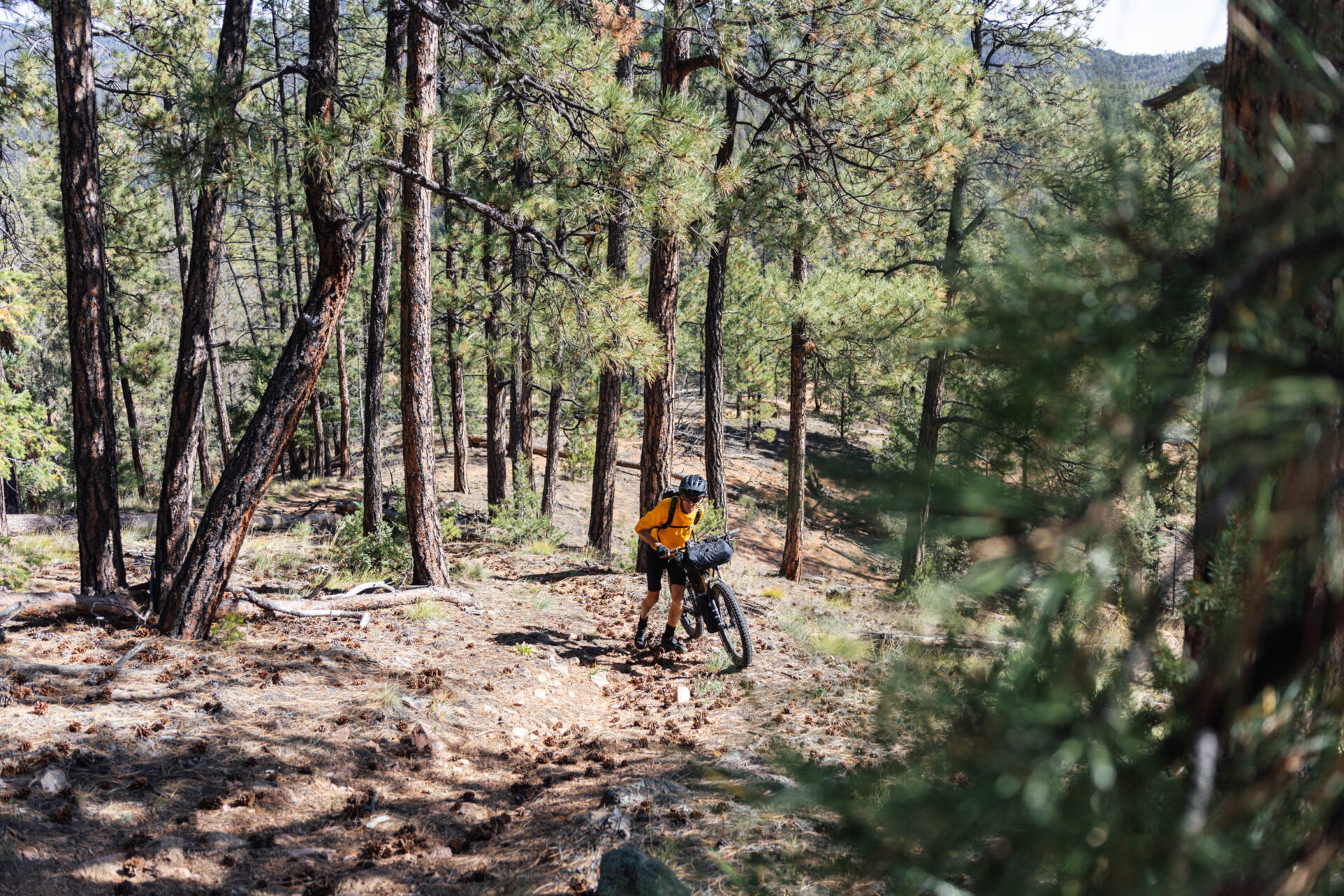
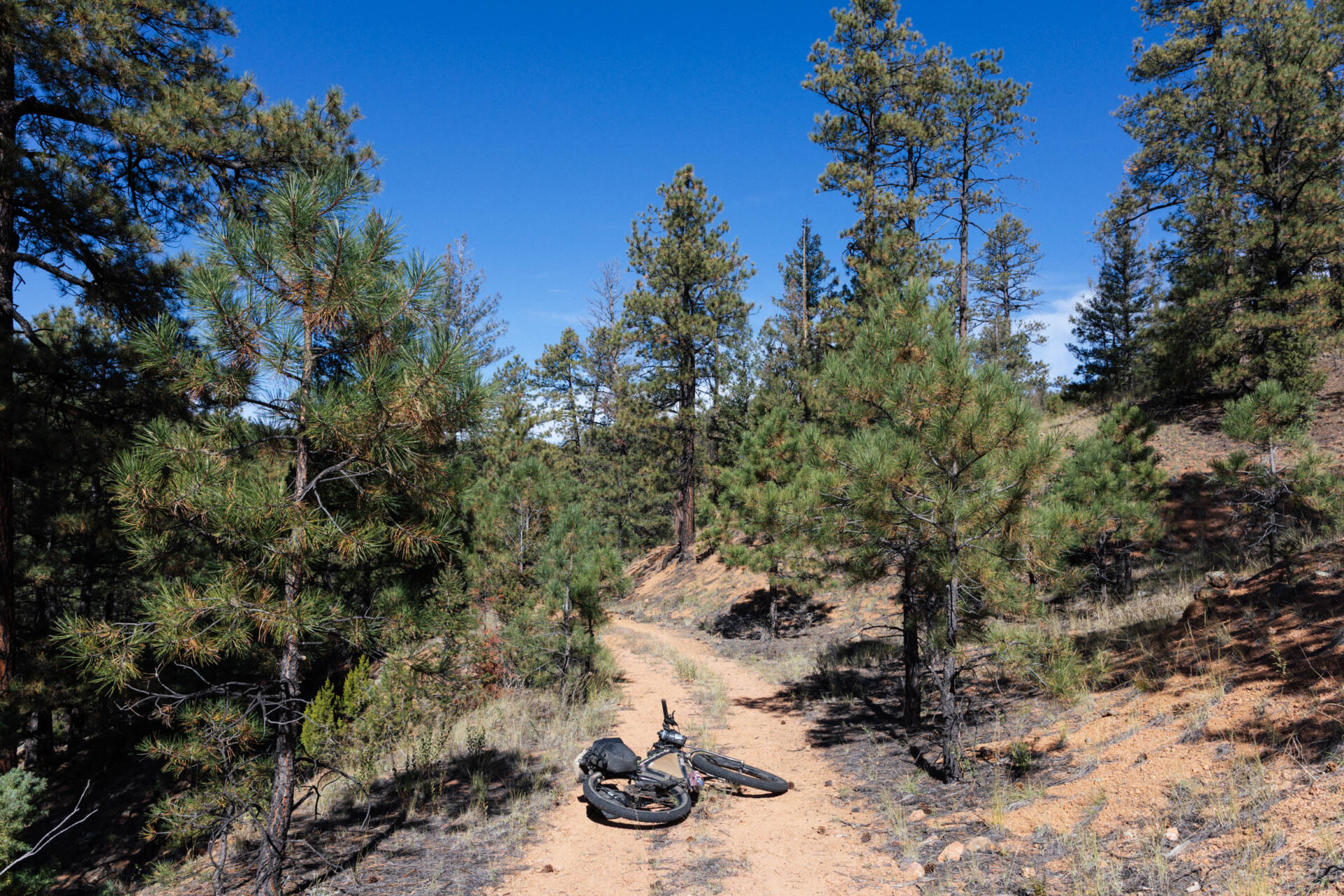
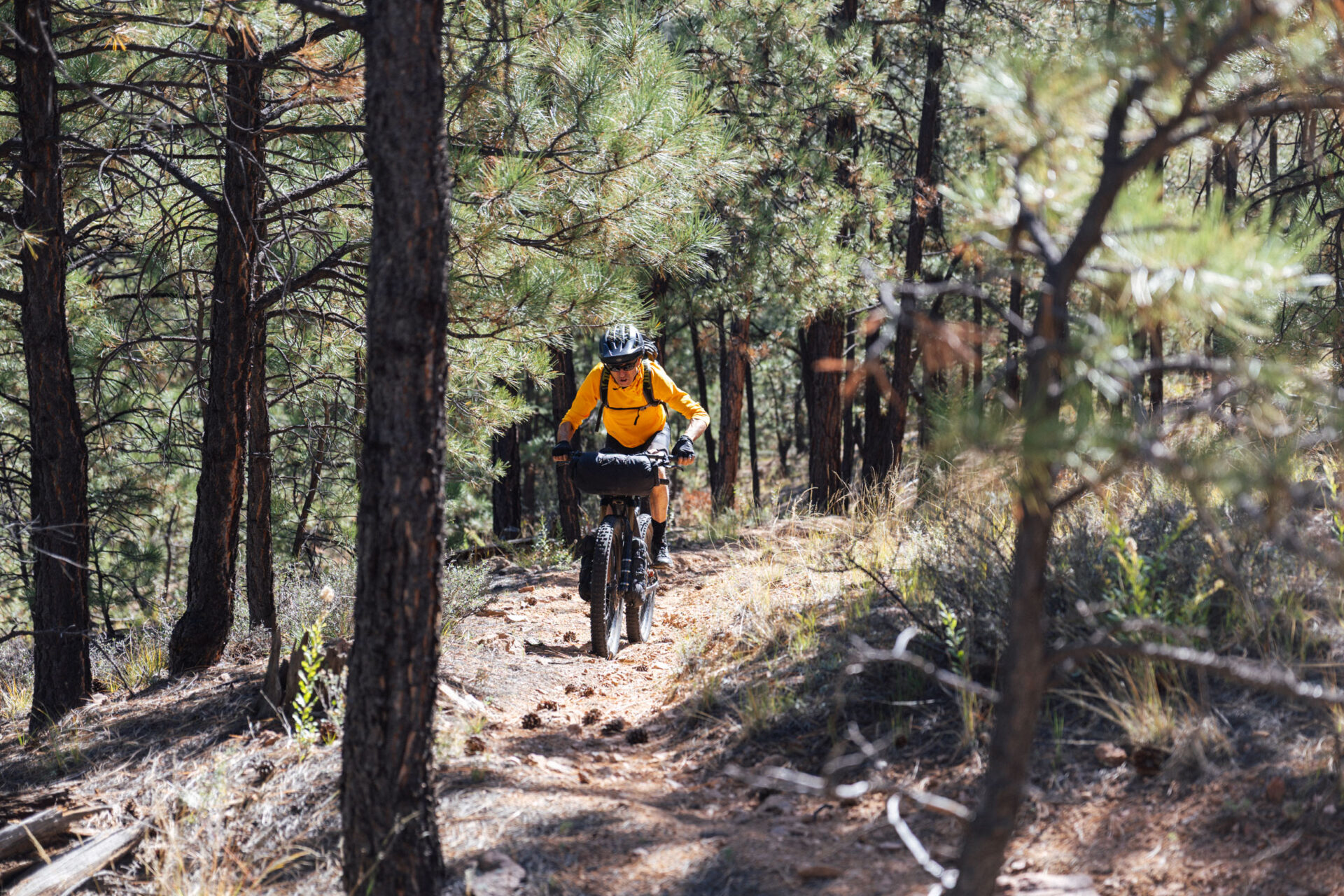
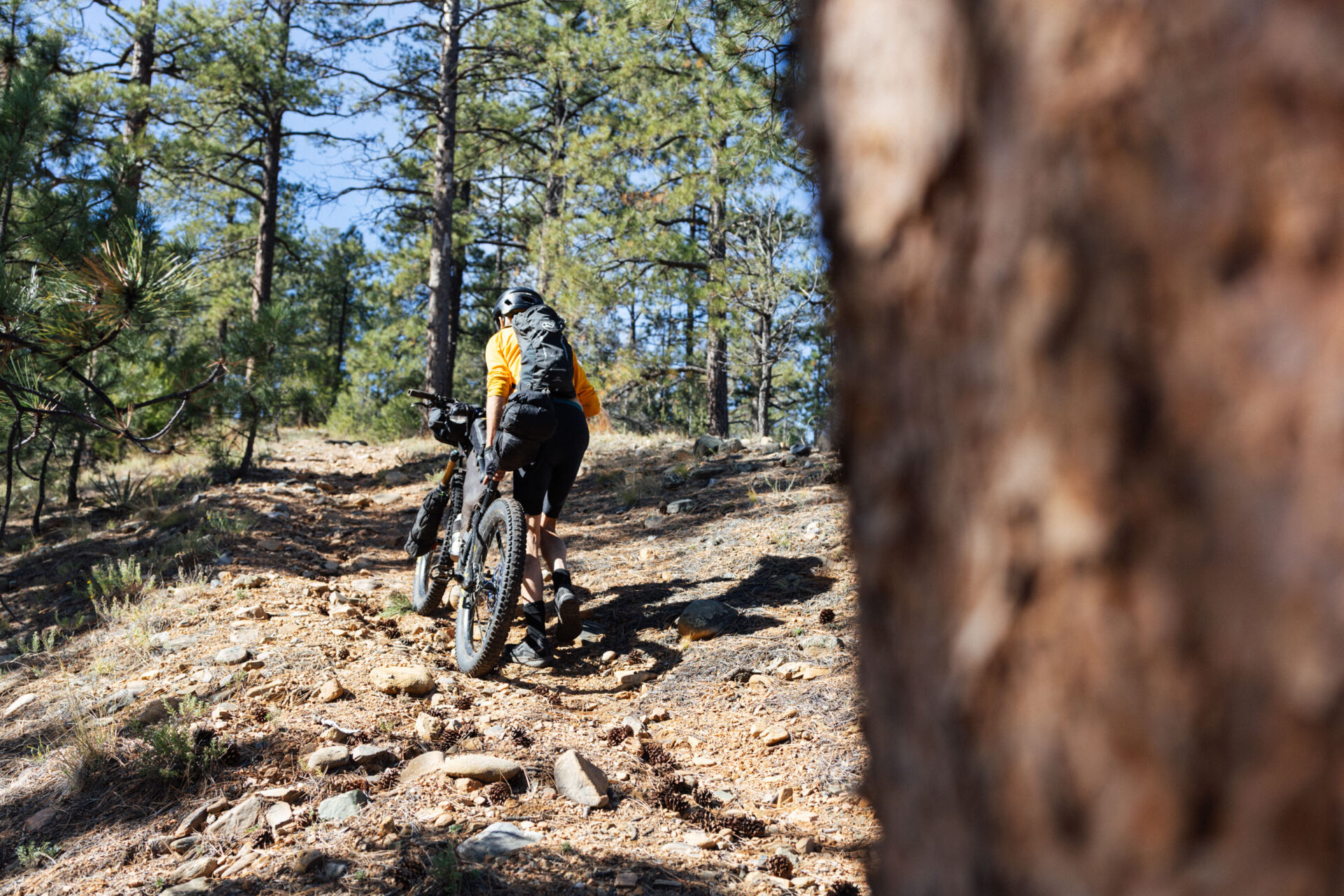
There will be pushing…
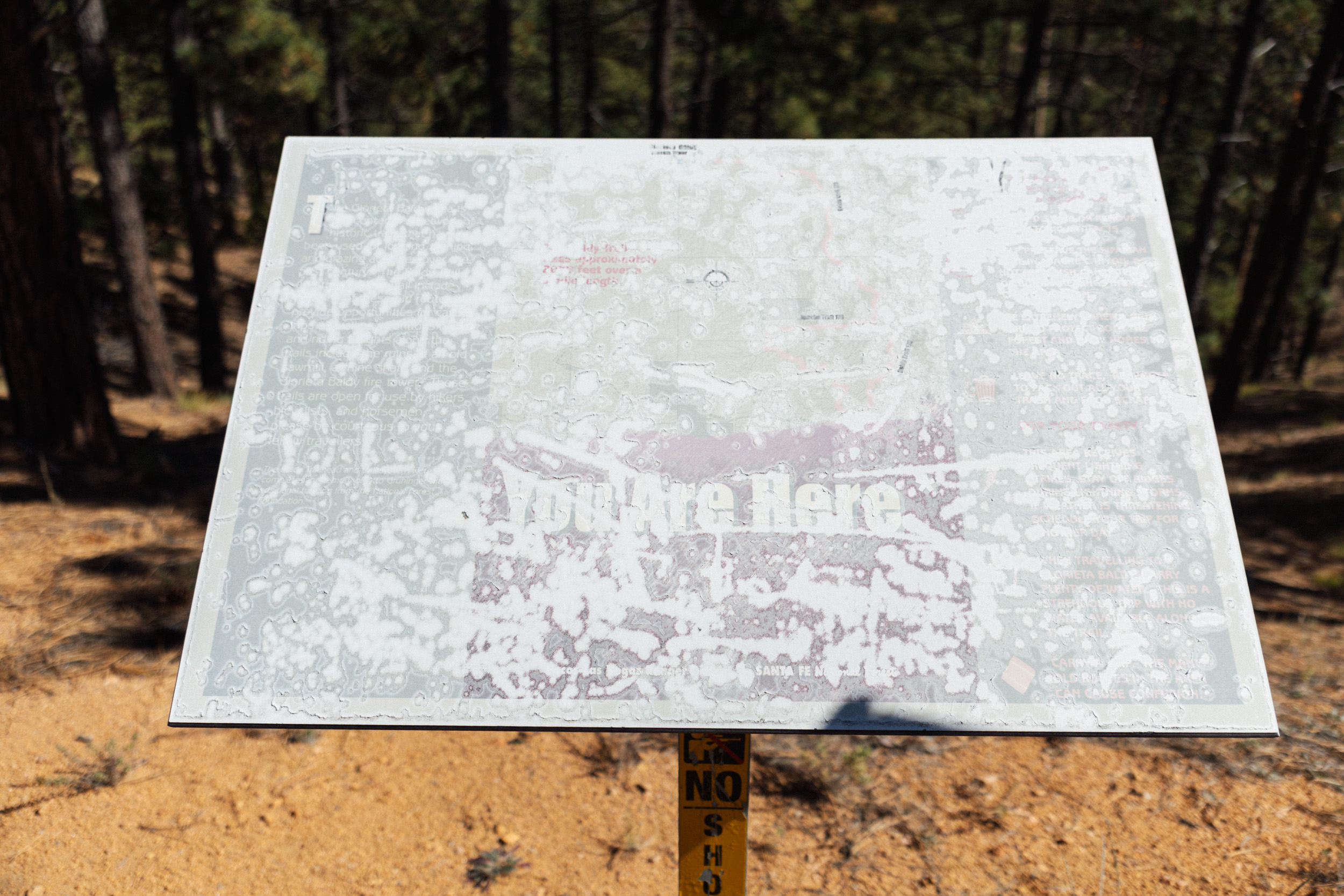
Classic New Mexican patina.
Tim Nelson’s Lesson in Layers
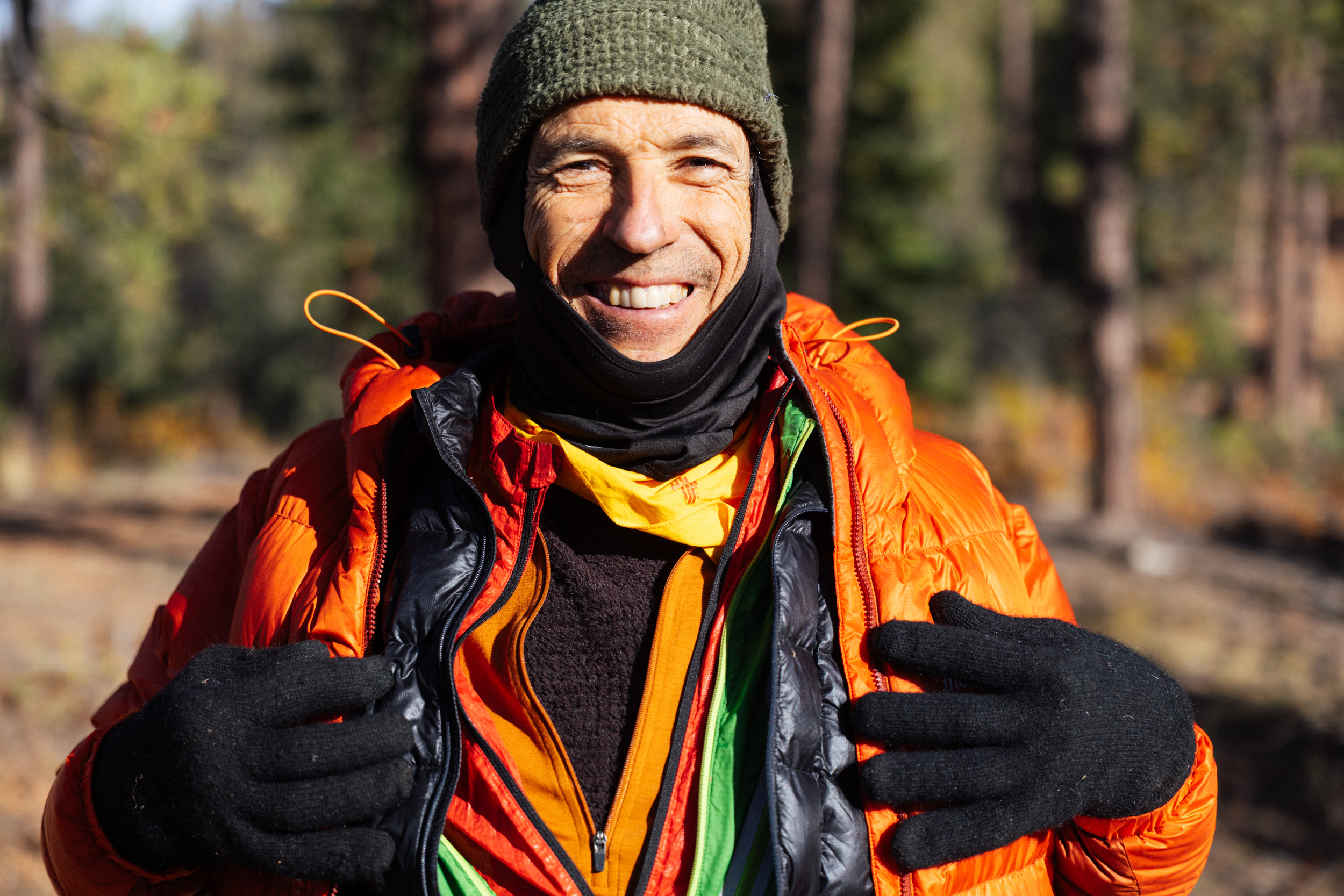
A man of many layers, in every sense of the word. I always enjoy listening to Tim’s nugs of wisdom... and borrowing his gear!
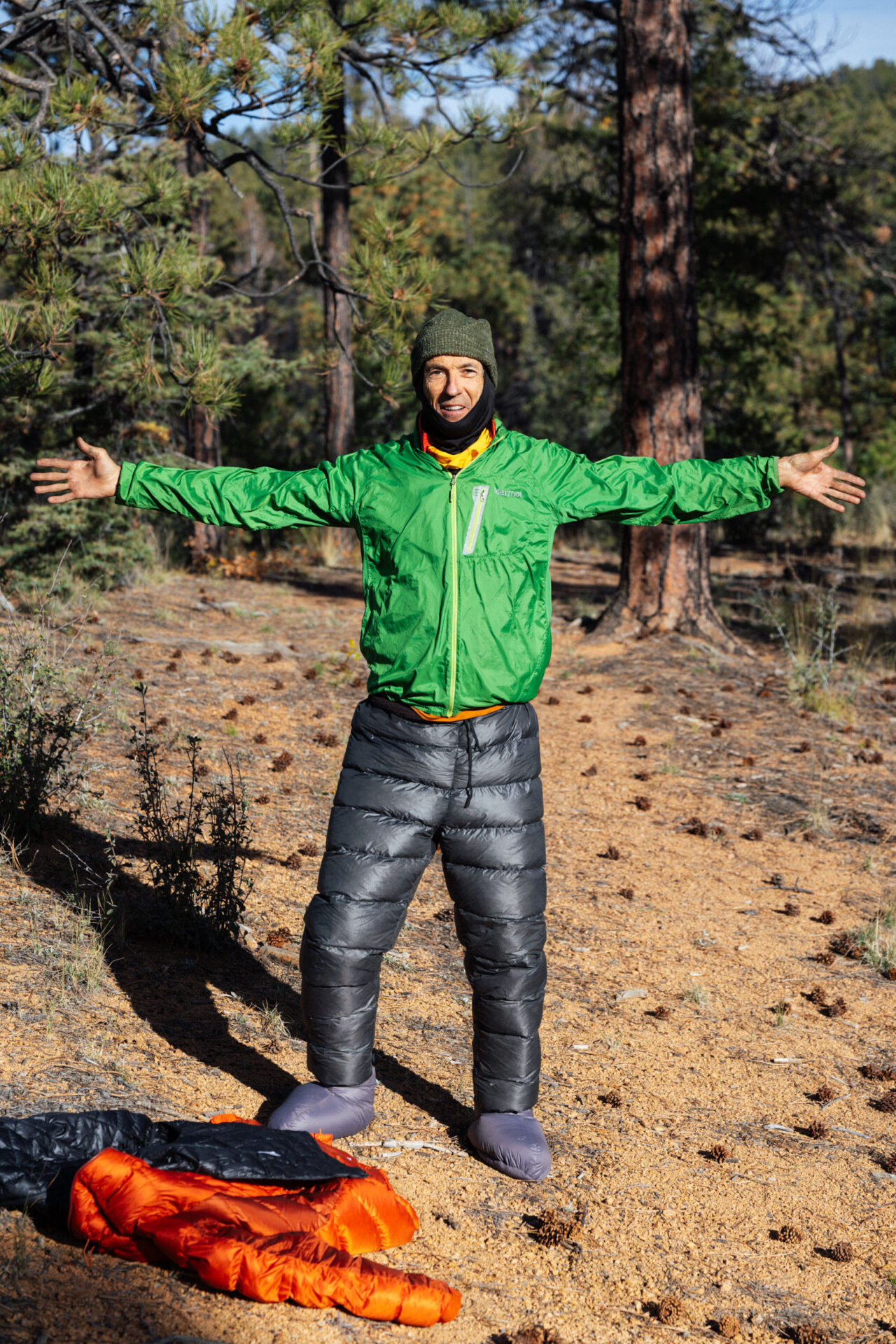
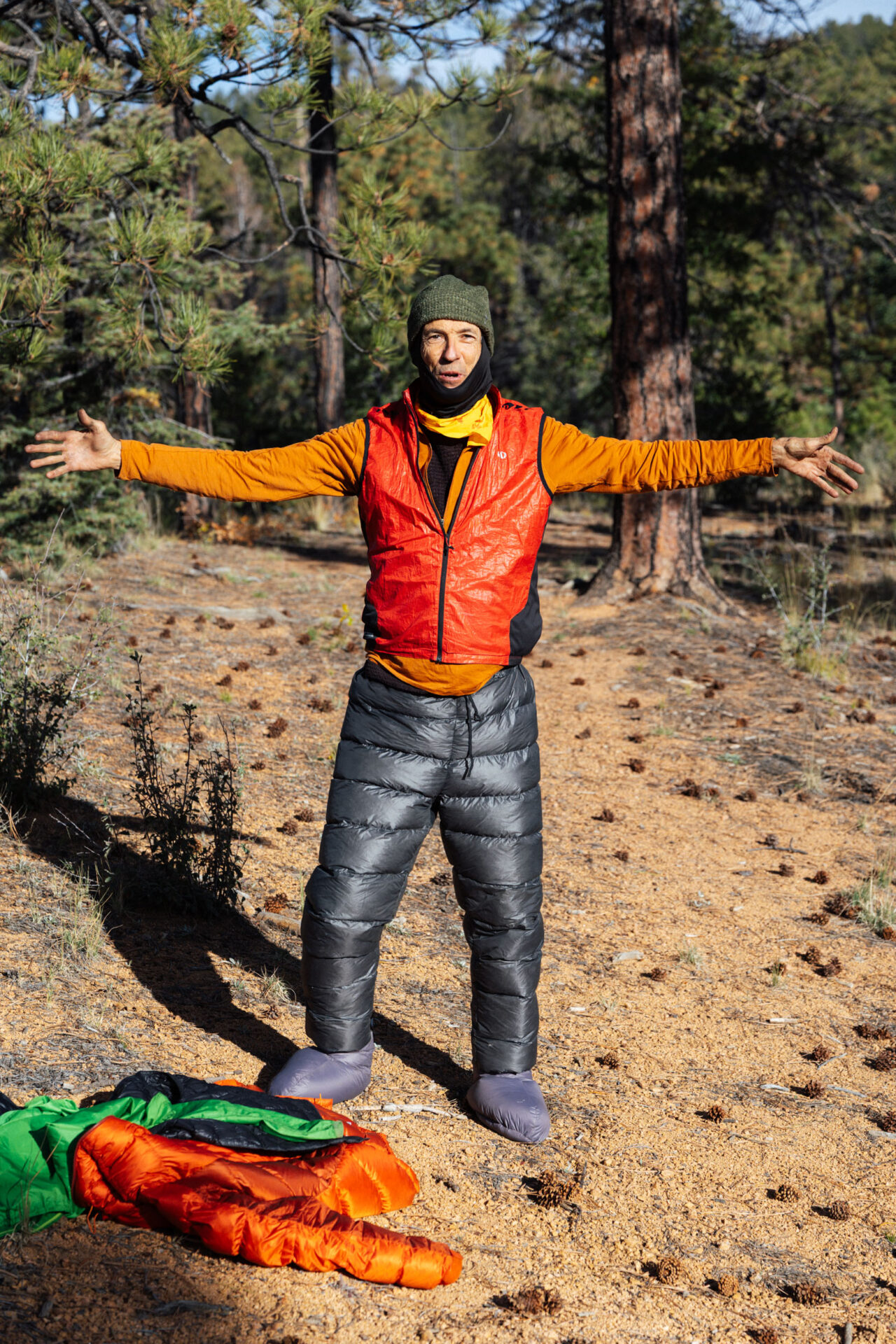
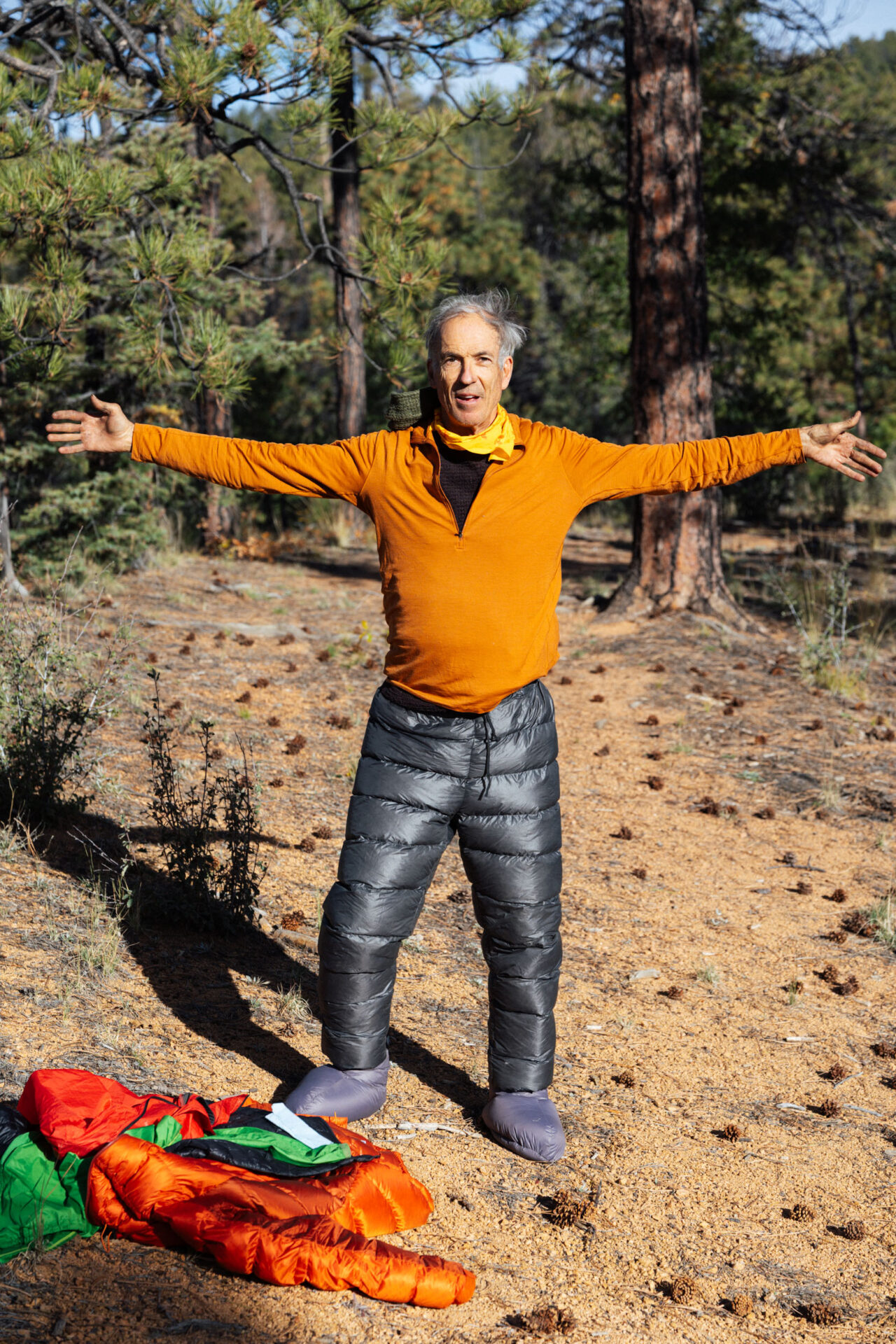
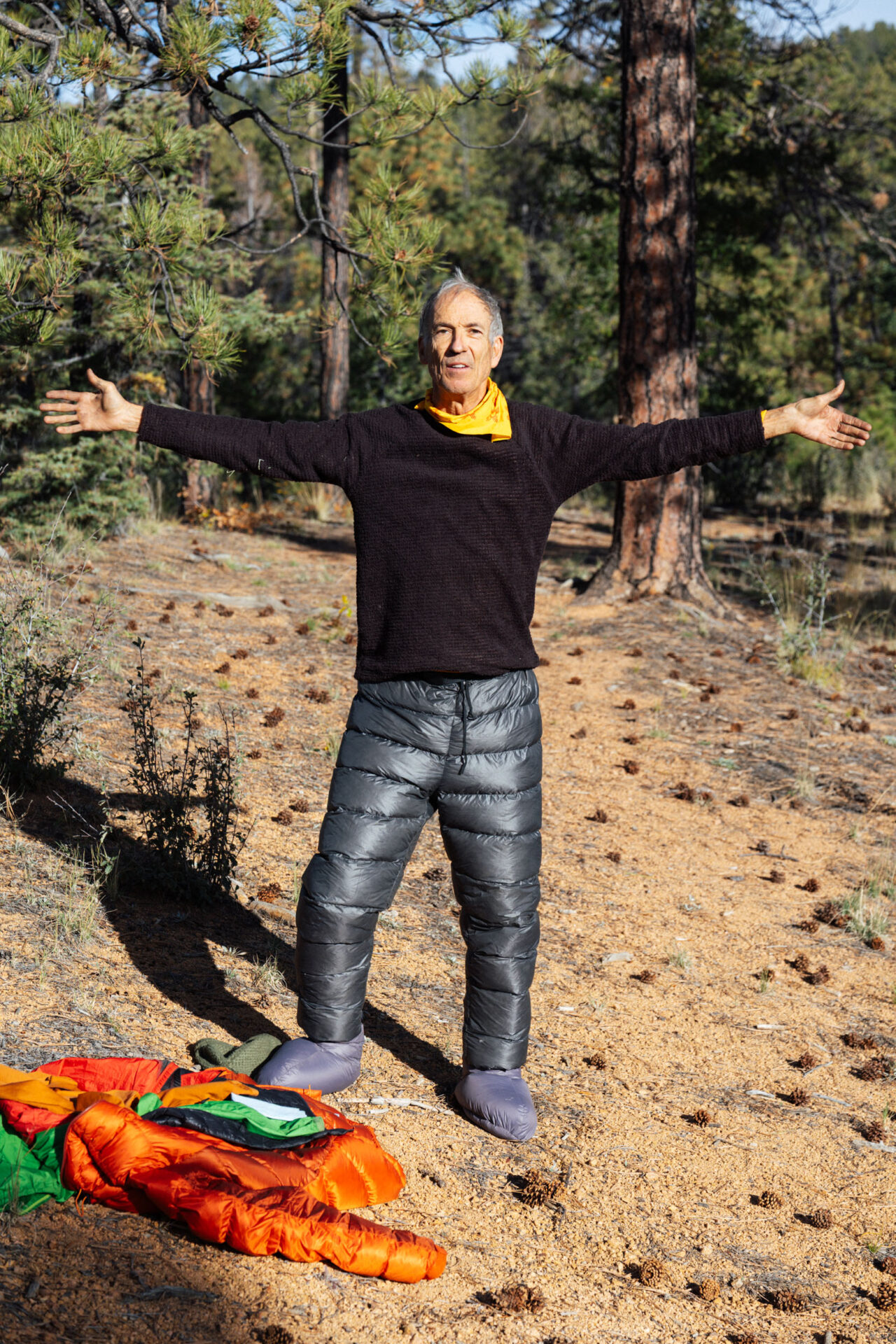
Tim models just a few combos, peeling away layers of the onion.
As I mentioned in the past, Tim is quite the gizmotologist, and his gear hoard includes a perplexing array of technical layers of all fabrics, styles, and yarns. I’ve tried to document the ones he wore, all at once, on this trip.
From inside of the onion out:
- thin yellow super breathable synthetic layer
- nylon light vest
- alpha direct 120 weight
- zip neck light merino
- windshell
- mount bell down vest w/100 fill power
- orange monster montbell down jacket
- other: balaclava, buff, down pants, down booties, z packs nz possum wool socks
If you too want to experiment with layers, and happen to live in Santa Fe or be passing through, my buddy Thayne’s gear emporium – Tourist – has a fine collection of new and used gear to dive deep into the rabbit hole! I’m definitely tempted by some down pants…
Jones SWB MODS
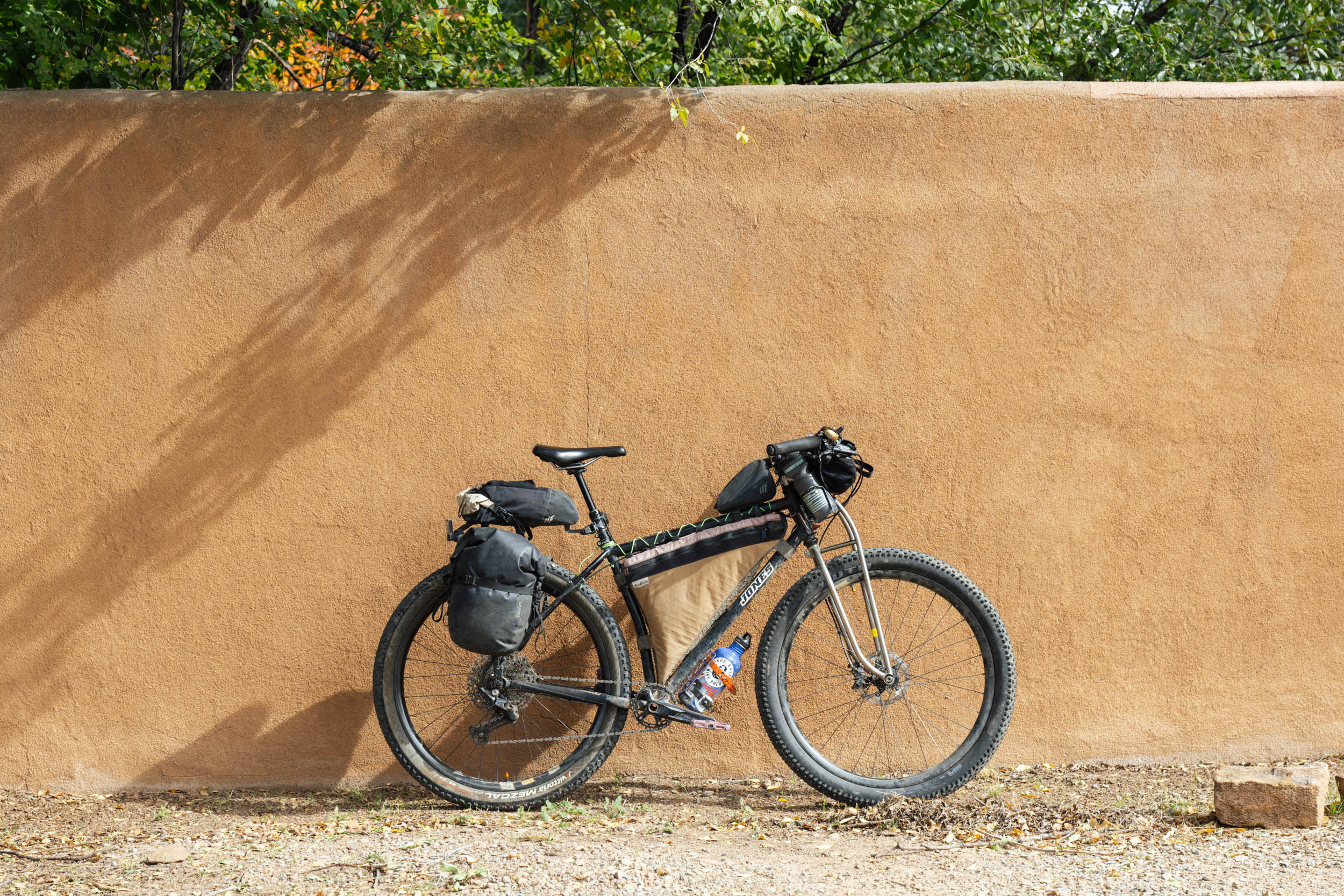
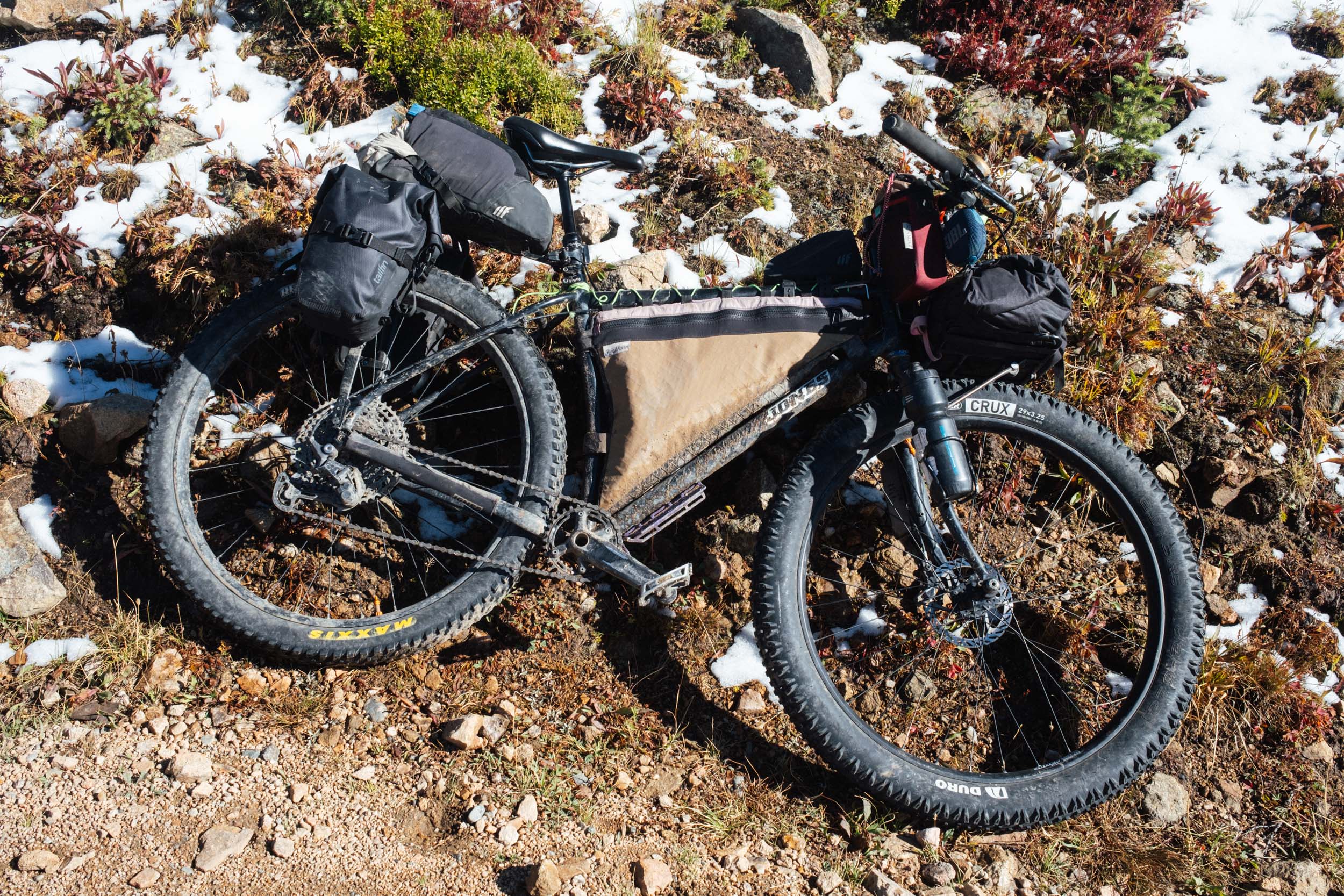
In other gear news, I’ve made some mods/upgrades to the Jones SWB! What started off as the chassis for the most economical SWB v1 Complete is now sporting a snazzy new set of 29er Recon Pro RIM AM9 carbon rims, made by Light Bicycles, measuring 35mm internally and 41mm externally. My plan is to dedicate this bike to gravel and crossing country trail riding – running either a fast rolling 2.35in gravel tyre, like Schwalbe’s G-Ones, or some 2.6 inch knobblies. Both sizes are easy for me to find anywhere, and means the bike will fit in public bus bike rack too. I still have my older Jones alloy wheelset (measuring 45mm internally), which I’m reserving for bigger tyres better suited to more challenging off road terrain.
For now, I’m running a combo I happened to have at hand – a WTB Ranger Tough 29 x 3in up front, and a Mezcal in a 29 x 2.6in at the back, though I might find a 2.6in tyre to go up front too.
In terms of hubs, it’s a 150TA Jones-branded model up front and the new DT 350 DEG at the back, which has much quicker engagement than the older version, as it uses a larger (and theoretically even more durable) star ratchet system. I’m a massive fan of the standard 350 in terms of reliability, so I have high hopes for this one too, especially with its quick pickup. Spokes are DT-Swiss Comp with brass nipples. The rear wheel comes in at 1041g and the front is 911g. The rim itself weighs 475g and is rated for all mountain use.
I have to say, light wheels lend this bike such pop, which is especially noticeable when riding unladen, or climbing steep and tricky trails. It’s really come alive on rides around town, too… like racing for the traffic lights, or honking out of the saddle just for the joy of honking! In terms of durability, they’ve held up great so far… including some very rugged, loaded riding in Colorado, including Pearl Pass, and a number of chunky day rides in New Mexico too. In all likehood, I’ll fit some tyre inserts to be on the safe side for mountain biking, tyre pressure wise.
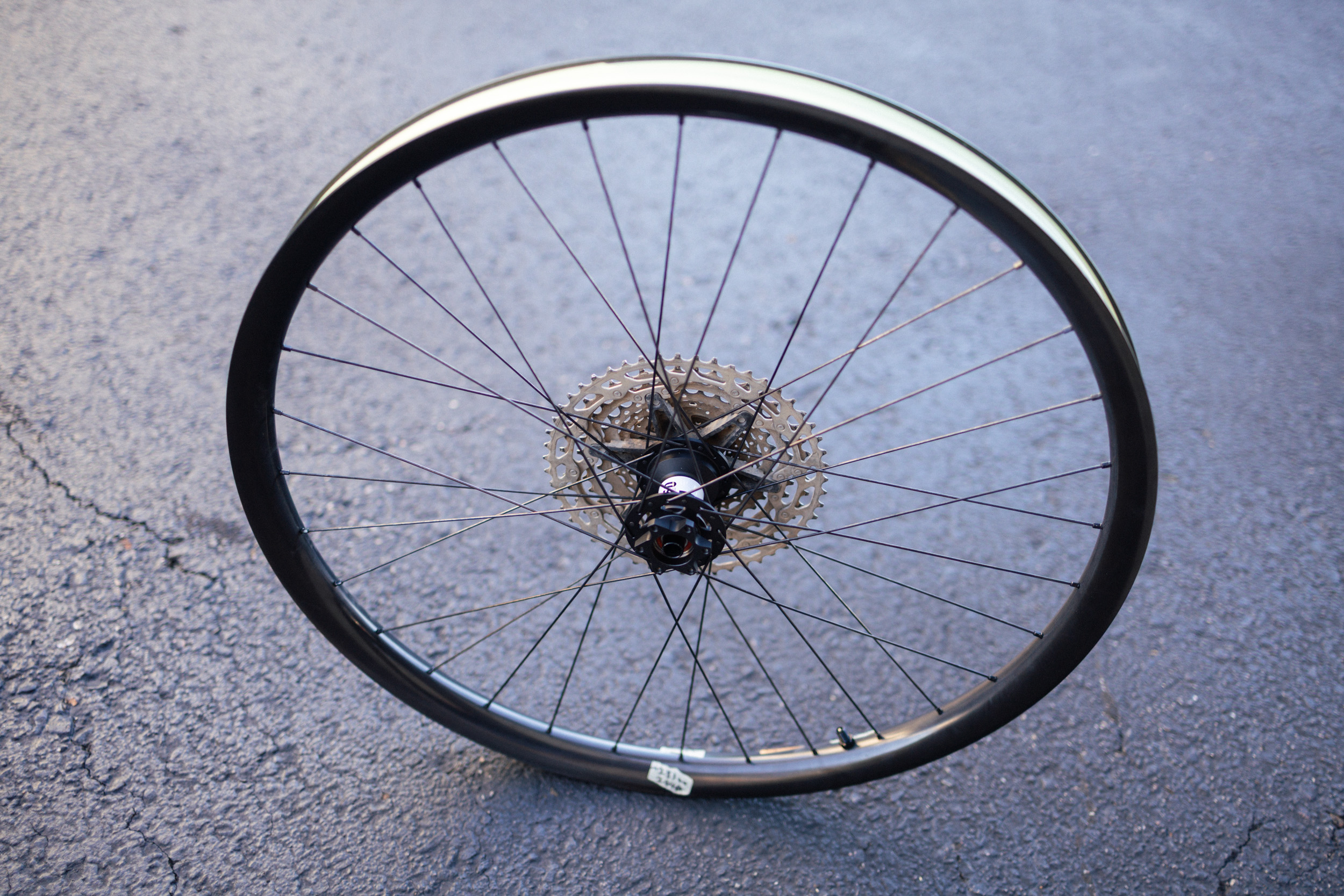
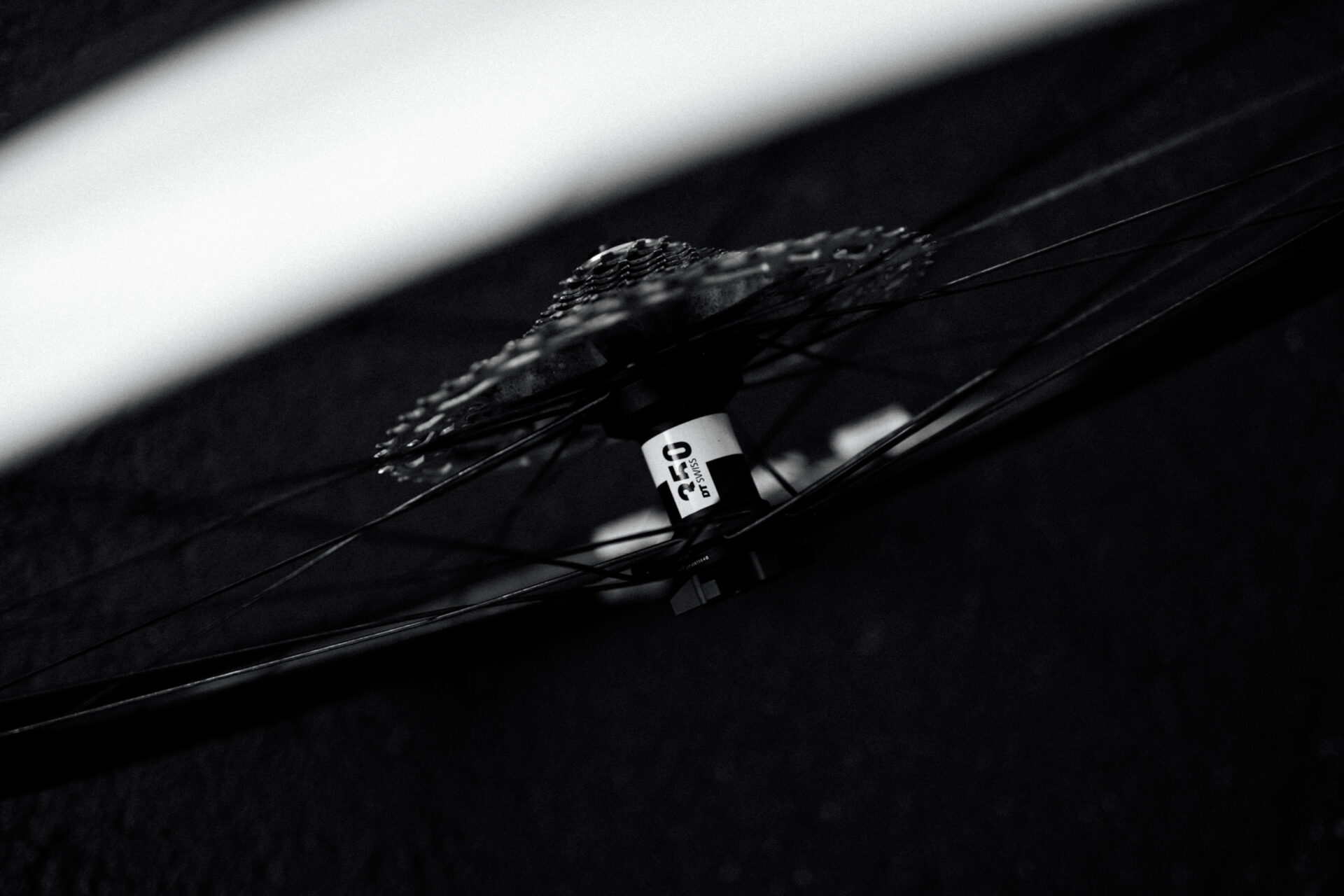
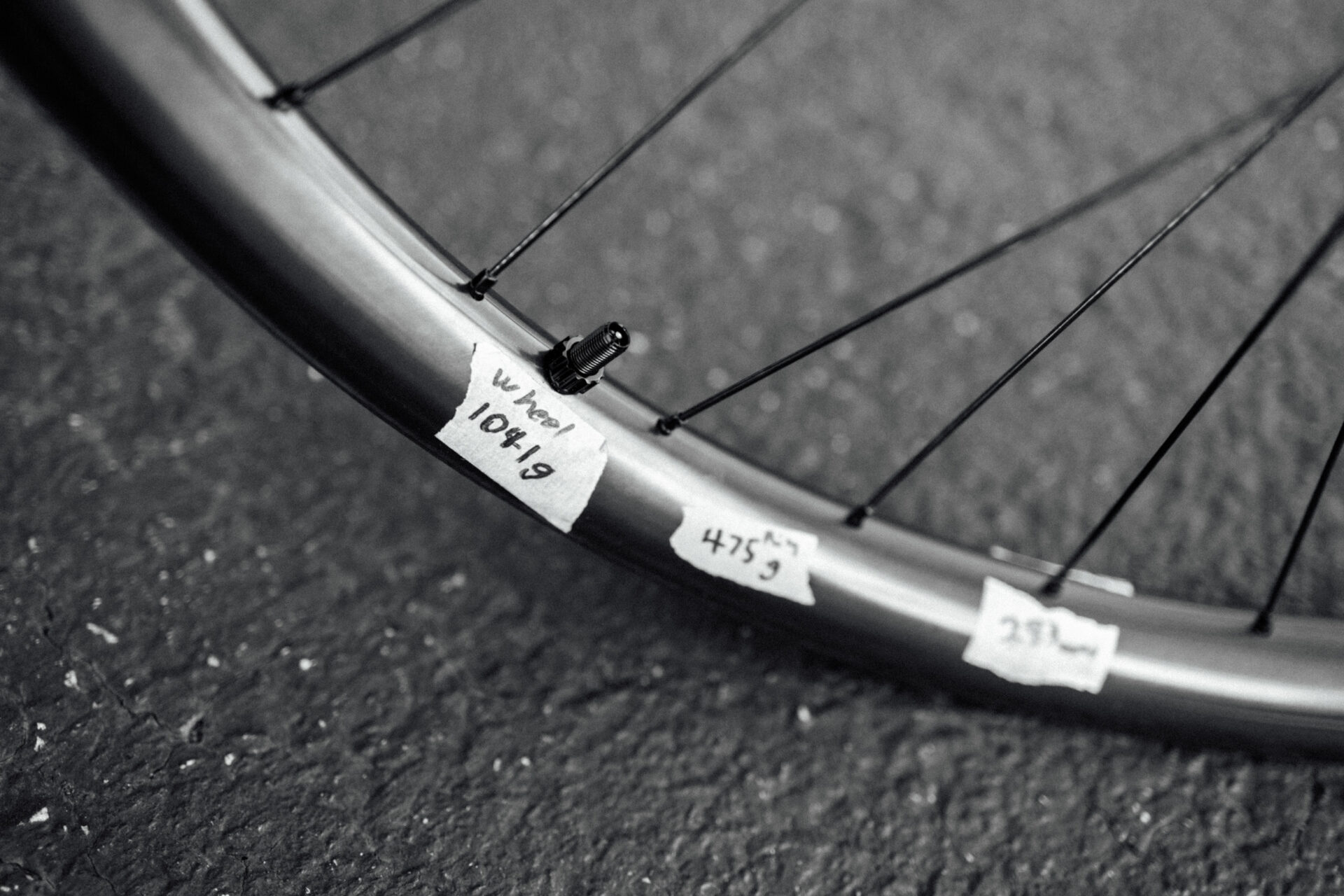
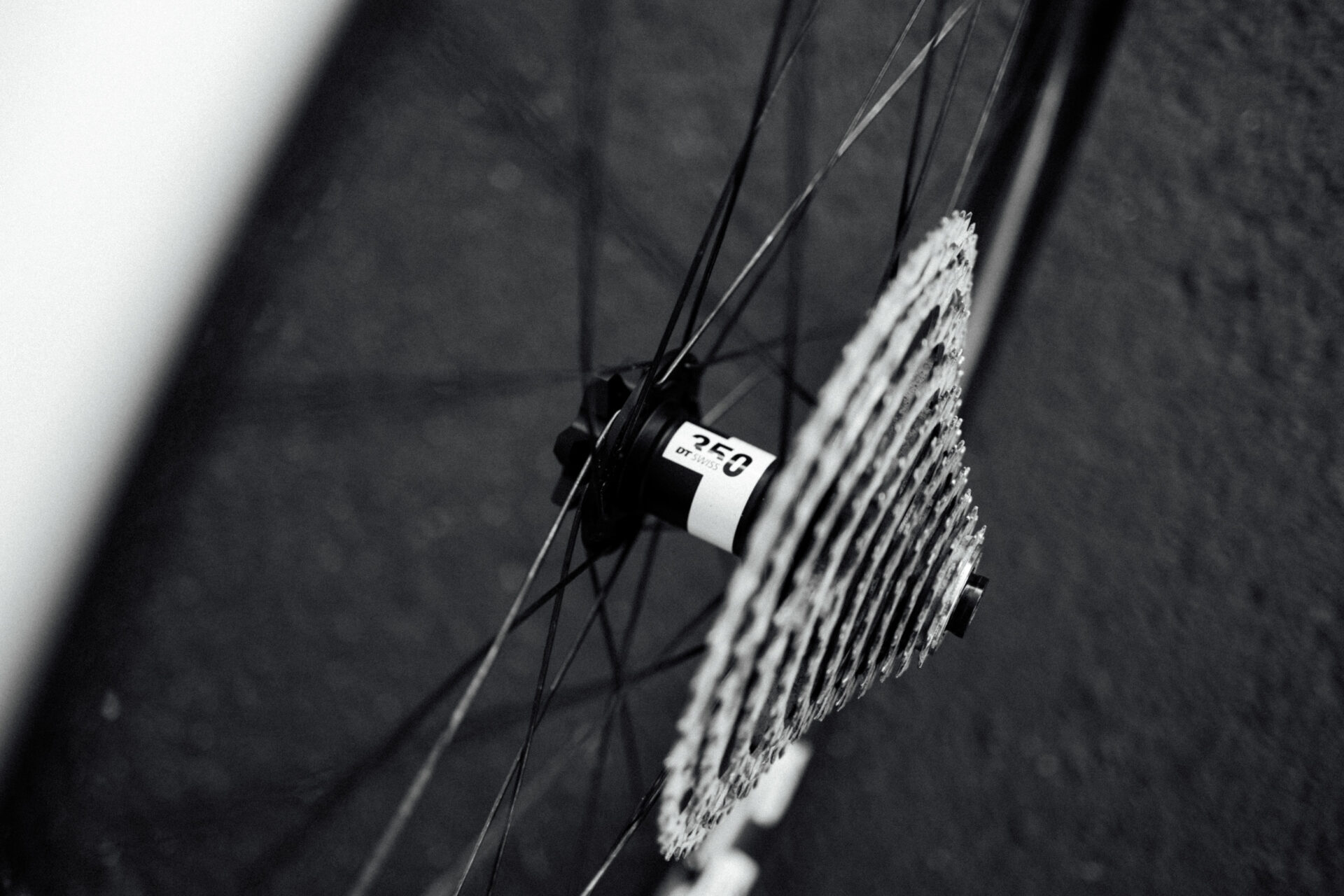
All the important stats! Rims are by Light Bicycles, and they measure 35mm internally. Combined with Jones’ robust Schrader valve stems, they’ve been easy to set up tubeless with just a floor pump.
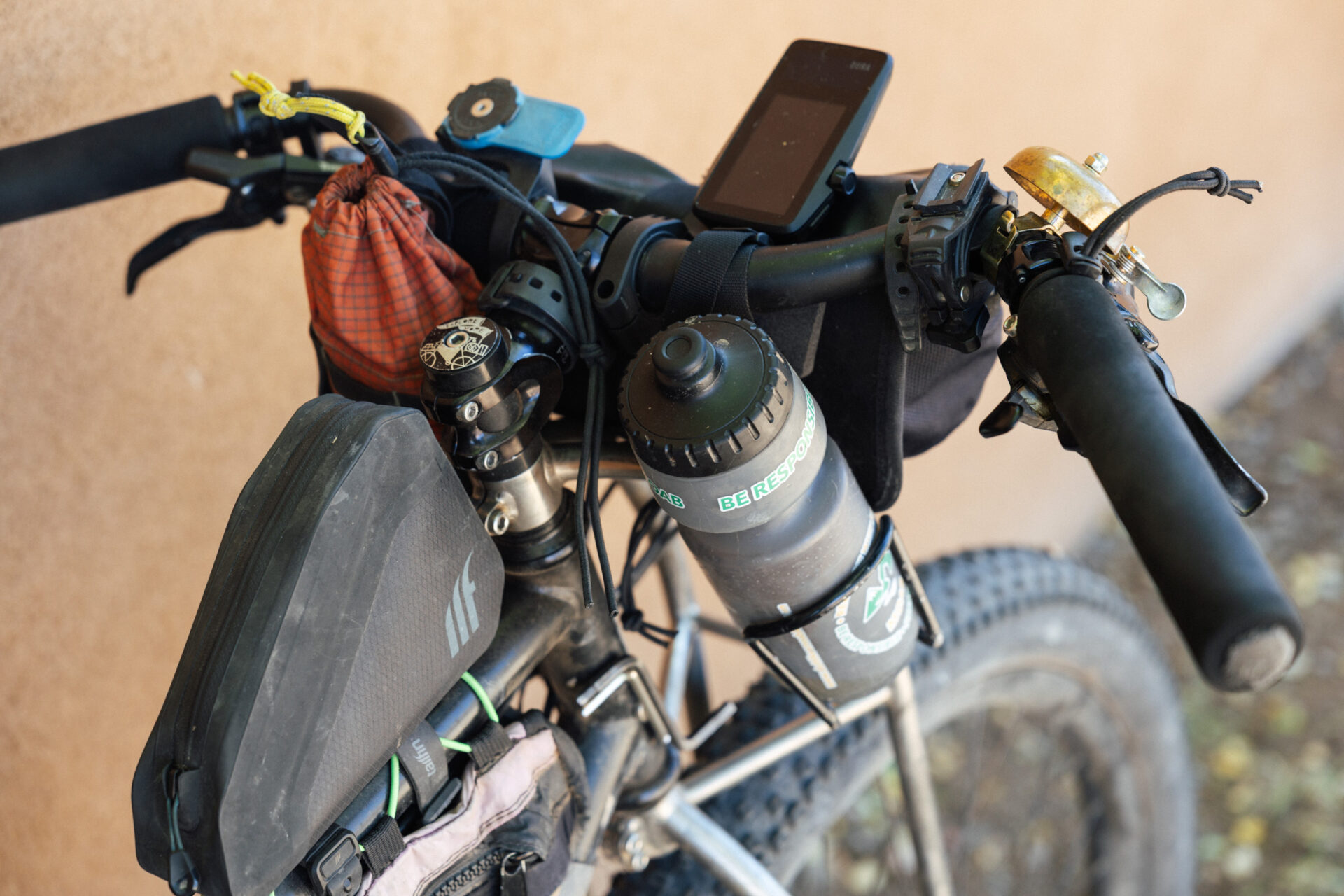
I’ve also swapped out the very practical but heavy Jones unicrown fork for a titanium truss! Between these two changes, the bike feels noticeably lighter and spritelier – and I have a lovely Bingham Built titanium seat post to hand too, to lighten it up further for times when a dropper isn’t needed. In lightweight gravel mode, the SWB feels super quick and nimble… like an X-wing in a dog fight!
For now, it does mean a shift in how I pack the bike for a tour, as I’ve lost the front platform rack, which works well for lashing on my big winter sleeping bag, or a wire basket. I have a set of Jones’s truss bags in Oaxaca, which I’ll fit instead.
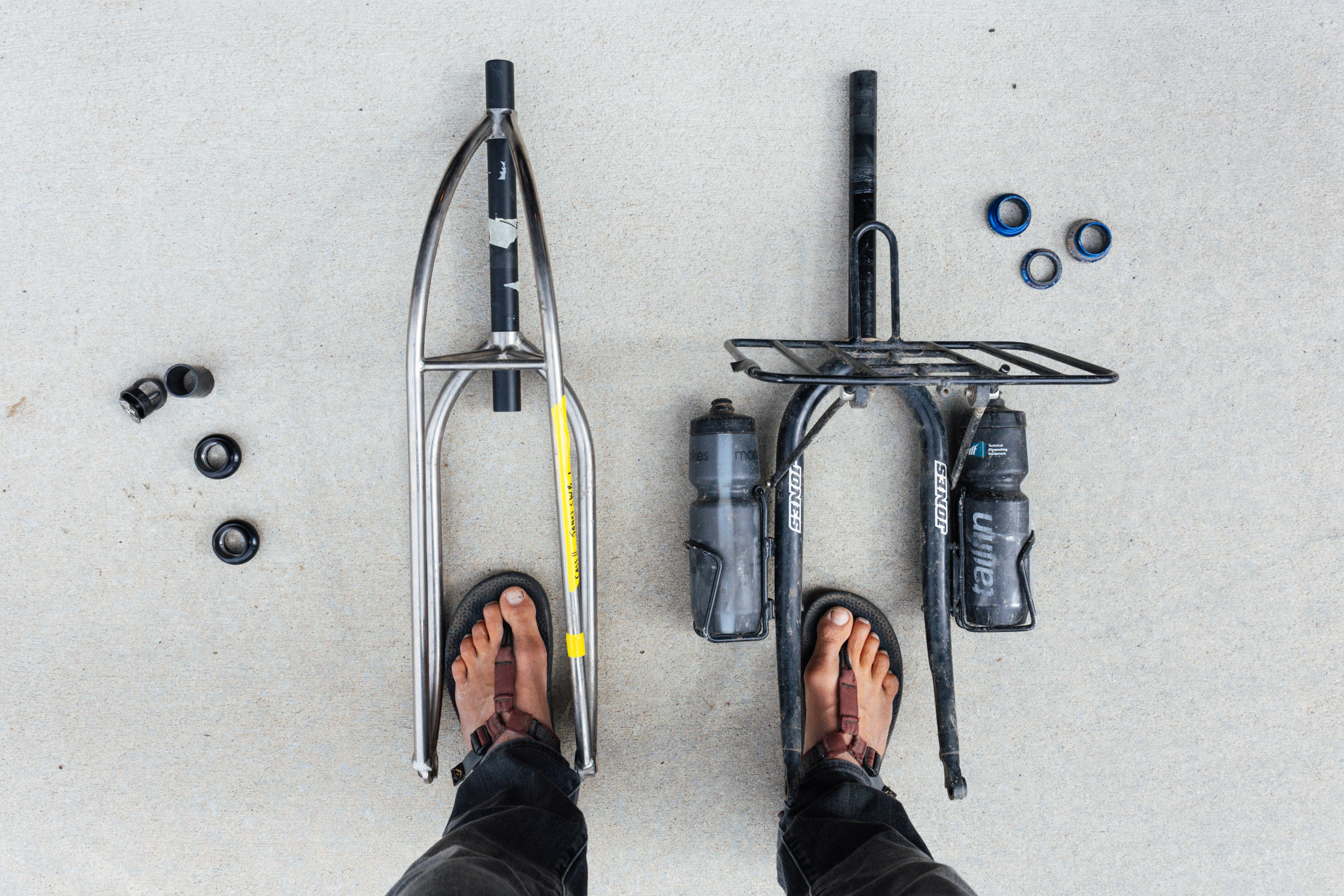
It’s hard to beat the unicrown for practicality… but just look at those curvy ti tubes! Both forks have the same axle to crown length and 55mm offset.
Other eventual plans include fitting a lighter crankset and perhaps an upgraded drivetrain. But I’m not in a real hurry to do so, as the current, affordable Deore one is proving to be very durable. It also helps tone down the bikes blinginess when locked up around town.
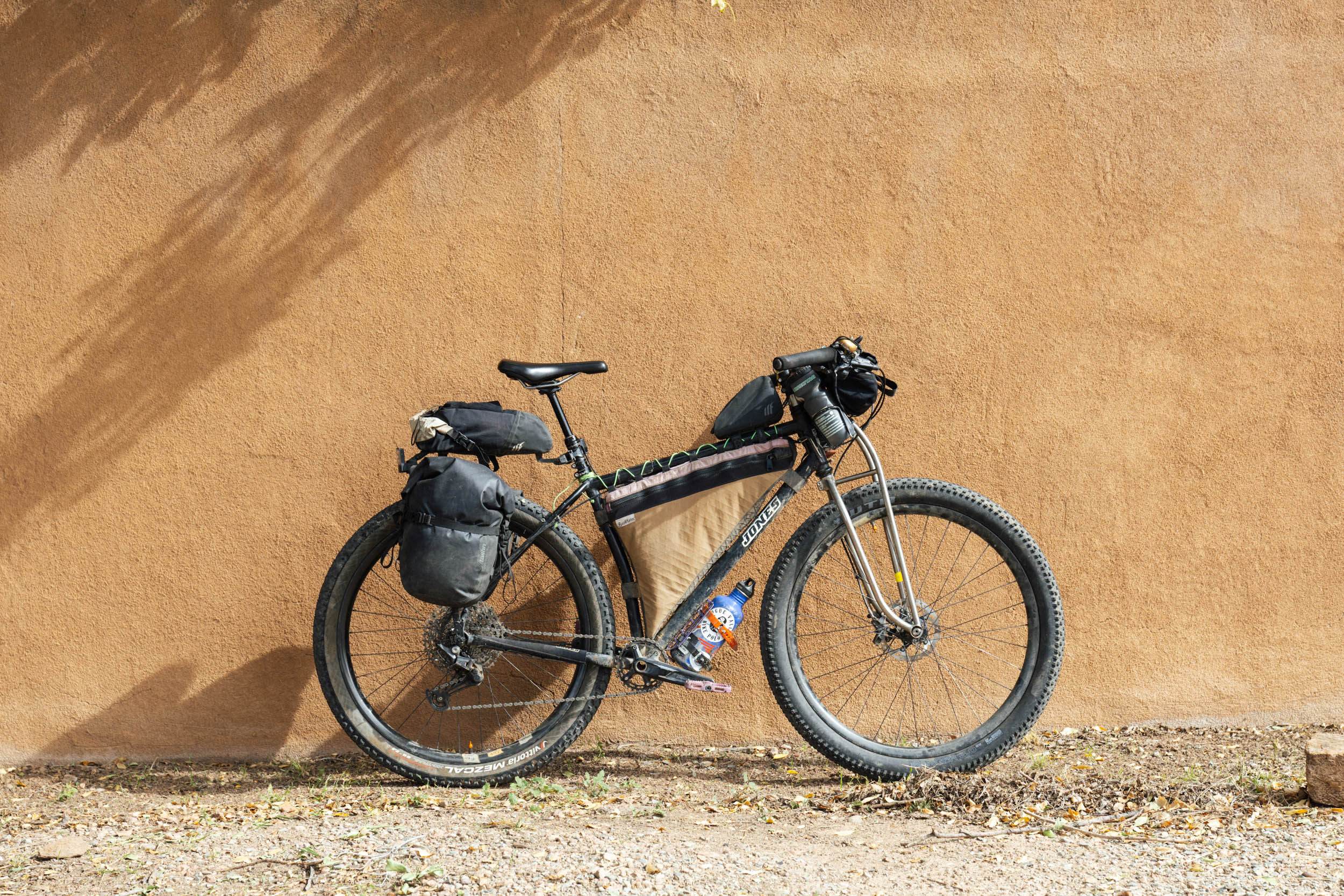
Is it sinful to say I love this bike? It’s a fantastic all rounder, that lends itself especially well to gravel roads and cross country trails. Also, I just happen to think the black steel frame and ti fork pair so well, visually!
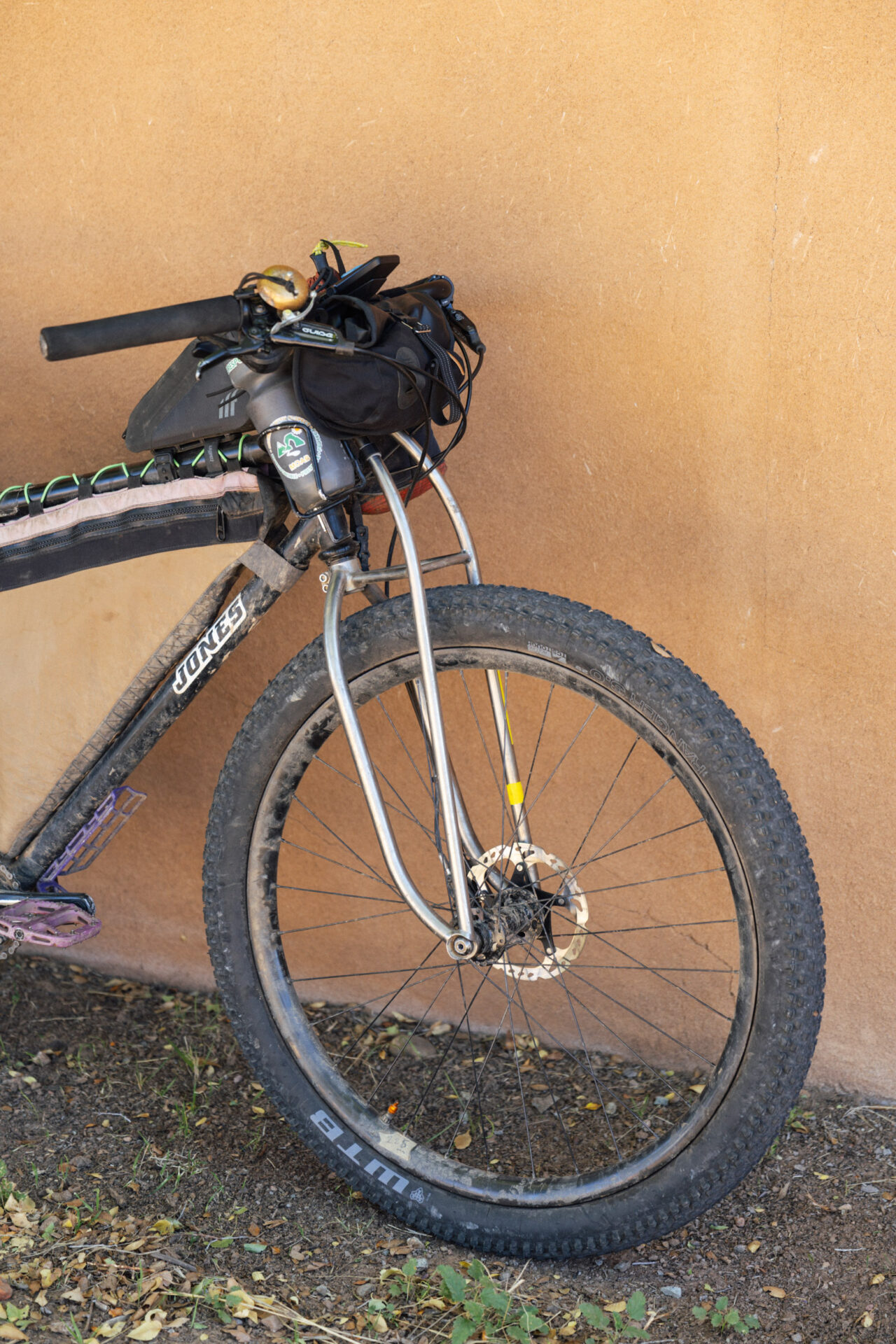
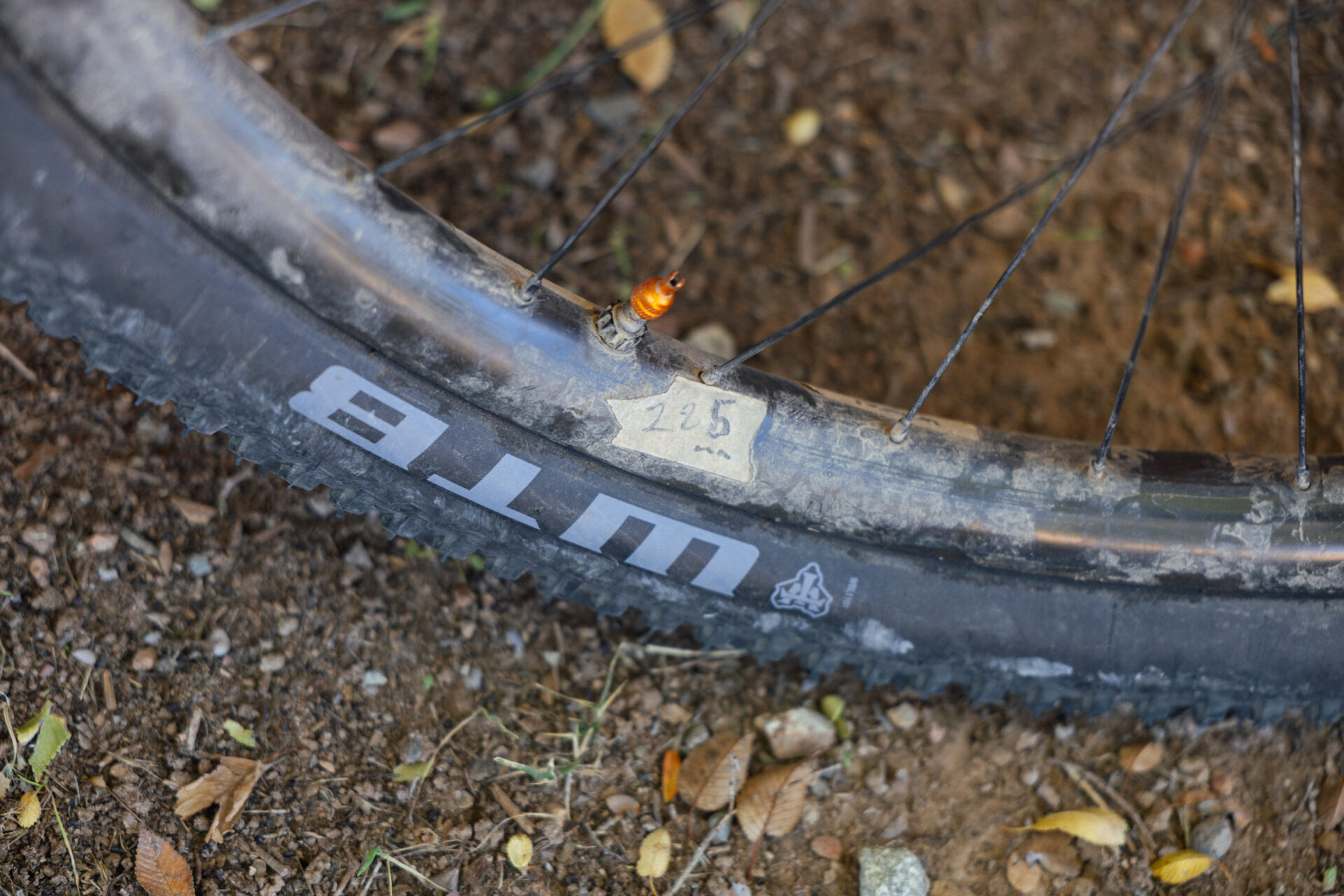
That ti fork… so light and so elegant! Plus a sub 500g rim. And peep the way I can mount a water bottle cage now!
While I’m listing things, my pretty framebag was made in New Mexico by Buckhorn Bags, who have since relocated to Arkansas. Nathan at Tribulus (maker of the excellent Endover front bag that I like so much) was kind enough to replace the zippers for me earlier this year, so it should be good for a few years more! As for the dropper post, it’s the simple and affordable Kitsuma from Tranz X ($160). Now that Thomson’s 27.2mm posts are down to $200 or so, that’s a good option too.
Here’s the SWB in full metal ‘bruiser’ mode.
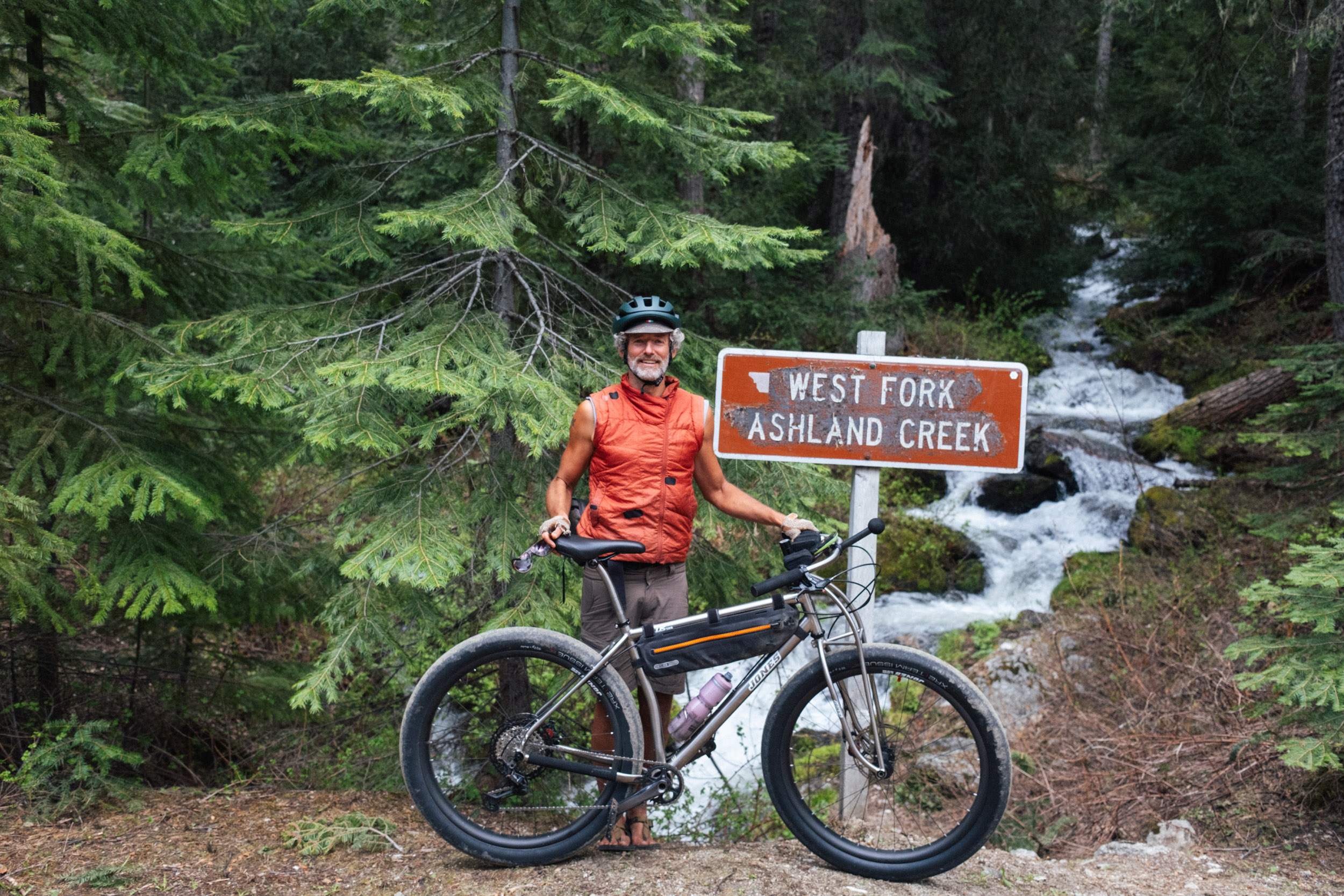
Earlier in the year in Oregon, I was fortunate enough to try out a ti SWB in which this theme had been taken to the extreme, with ti handlebar, a light drivetrain, and more. Such a bullet quick yet comfy bike!
Tailfin SpeedPack Mini Review!
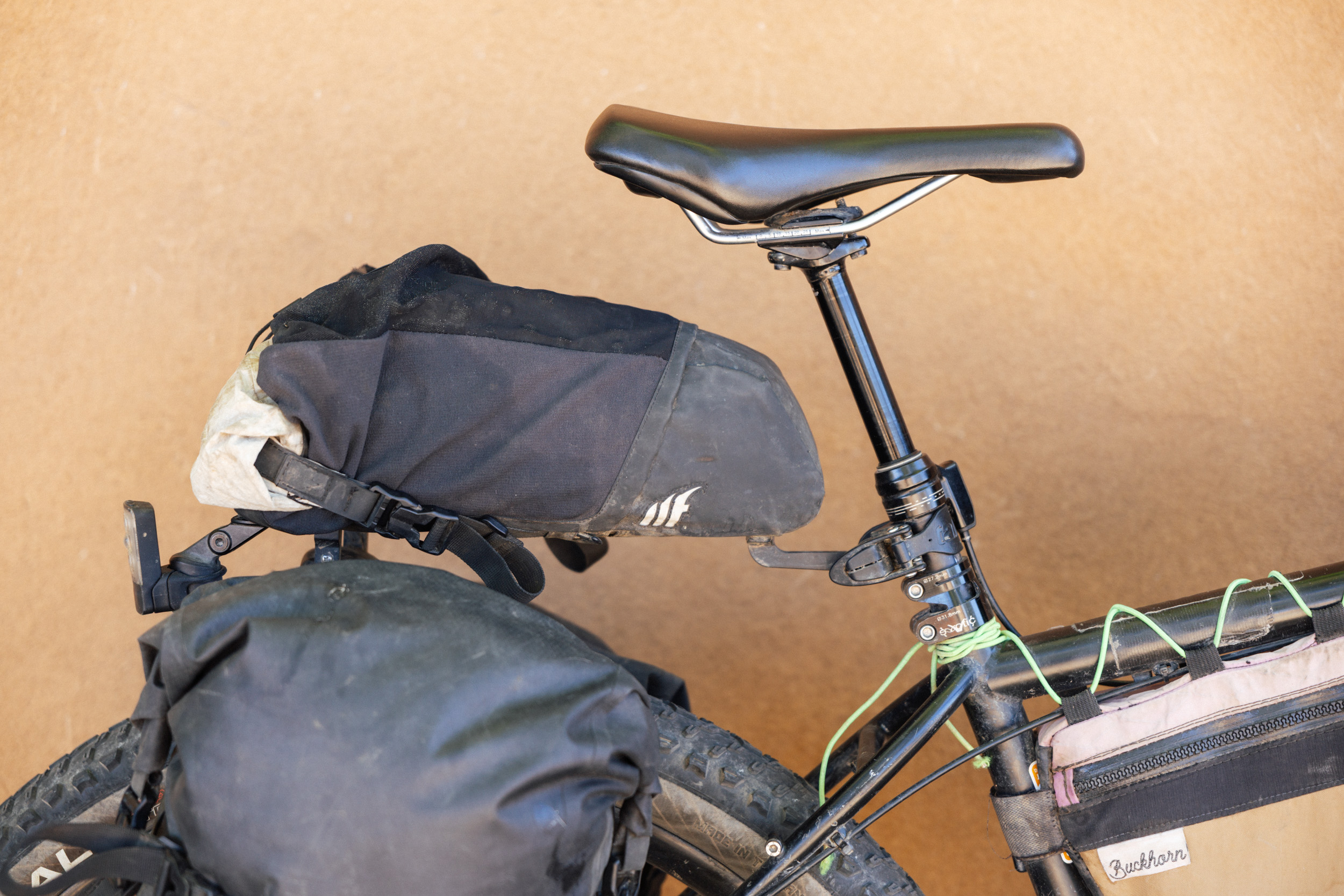
I run a dropper post for trail riding and this proto Tailfin SpeedPack (now released) allows me make make the most of it when tackling more challenging bikepacking routes.
Talking of the newly released Tailfin SpeedPack… I like it, a lot! I’ve been running this particular prototype, made at their workshop in Bristol, for a solid year or more. Although the production uses a completely different material so I can’t comment on its durability, it’s pretty similar in capacity and design. I actually find it perfectly sized to fit my tent, groundsheet, pegs and a little more, which means I can pack them last and keep them separate from everything else if they’re wet, and easy to access if I need to dry them out later in the day. I’ve tended to keep my waterproof layers in the SpeedPacks’ stretchy marsupial top pouch so they’re quick to get to, or any bit of clothing that needs airing. The mesh on mine has developed a few small holes but I see the production one uses a heavier gauge.
I pretty much only run the SpeedPack with a set of Tailfin panniers (either 10L or 16L in capacity, depending on whether I’m carrying my laptop or not) for layers/a sleeping bag/mattress/cooking stuff. So for me, it’s very much part of a system that requires additional capacity. In contrast, the heavier Tailfin 18L CargoPack is big enough that I can use it without any panniers, on minimal trips at least, especially as you can also lash stuff on top.
Another aspect about it that I really like is that in terms of day to day use, the SpeedPack is light enough to leave on all the time, making it perfect for stashing extra layers or picnic ingredients for a long day ride. Or for a towel and swimming gear, as I did when was in Dorset this summer! I’m not sure what mine weighs, but it feels relatively feathery in the hand, and the final version is listed as 700g in its lightest form, which is pretty good considering it includes the bag and the ‘rack’. Conversely, I don’t tend to leave the CargoPack on all the time, as it’s that bit bigger and heavier.
In use, the SpeedPack is super stable, and you basically forget it’s there. It’s easy to load up thanks to it internal structure, though the nose tapers in a bit, which means some strategic packing is required – unlike the CargoPack, which is more accommodating of odd shaped things, especially with it’s top loading design. I’m running a carbon arch on mine, and the pannier ‘bumpers’ have become unstuck over time, so I’ve had to gorilla tape over them.
I don’t tend to travel light enough to solely use the SpeedPack and nothing else, as in Neil’s thorough review, which you can find over on Bikepacking.com. But I bet it would be great for slimline racers too. In some ways, it’s a lot of engineering to carry a relatively small load. But you could also team with with one of the alloy arches that have eyelets for a cargo cage or water bottle, and get more out of it that way. Or, just buy the slightly heavier arch that includes pannier mounts, so you have the option of extra capacity down the line.
Coros Dura Mini Review!
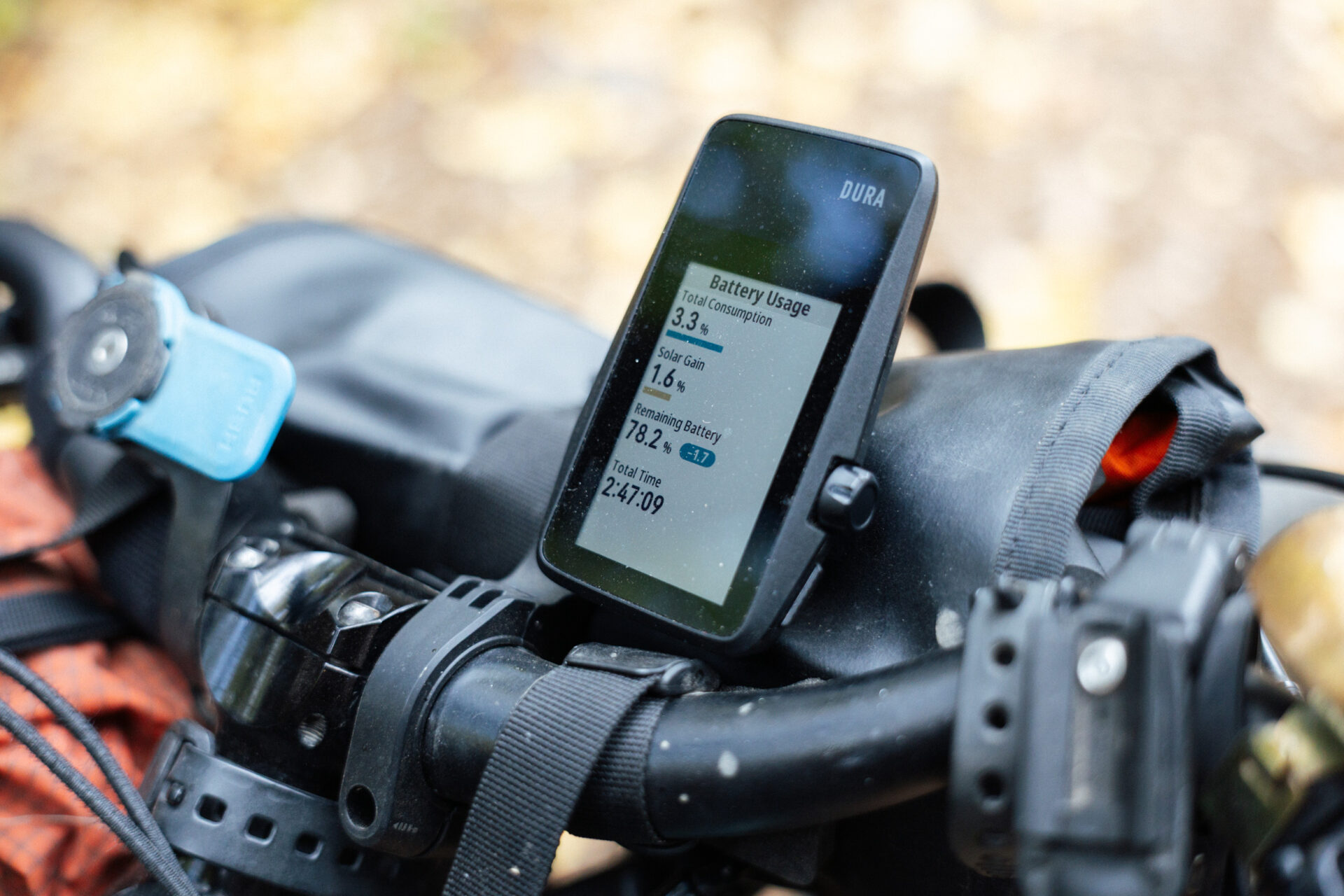
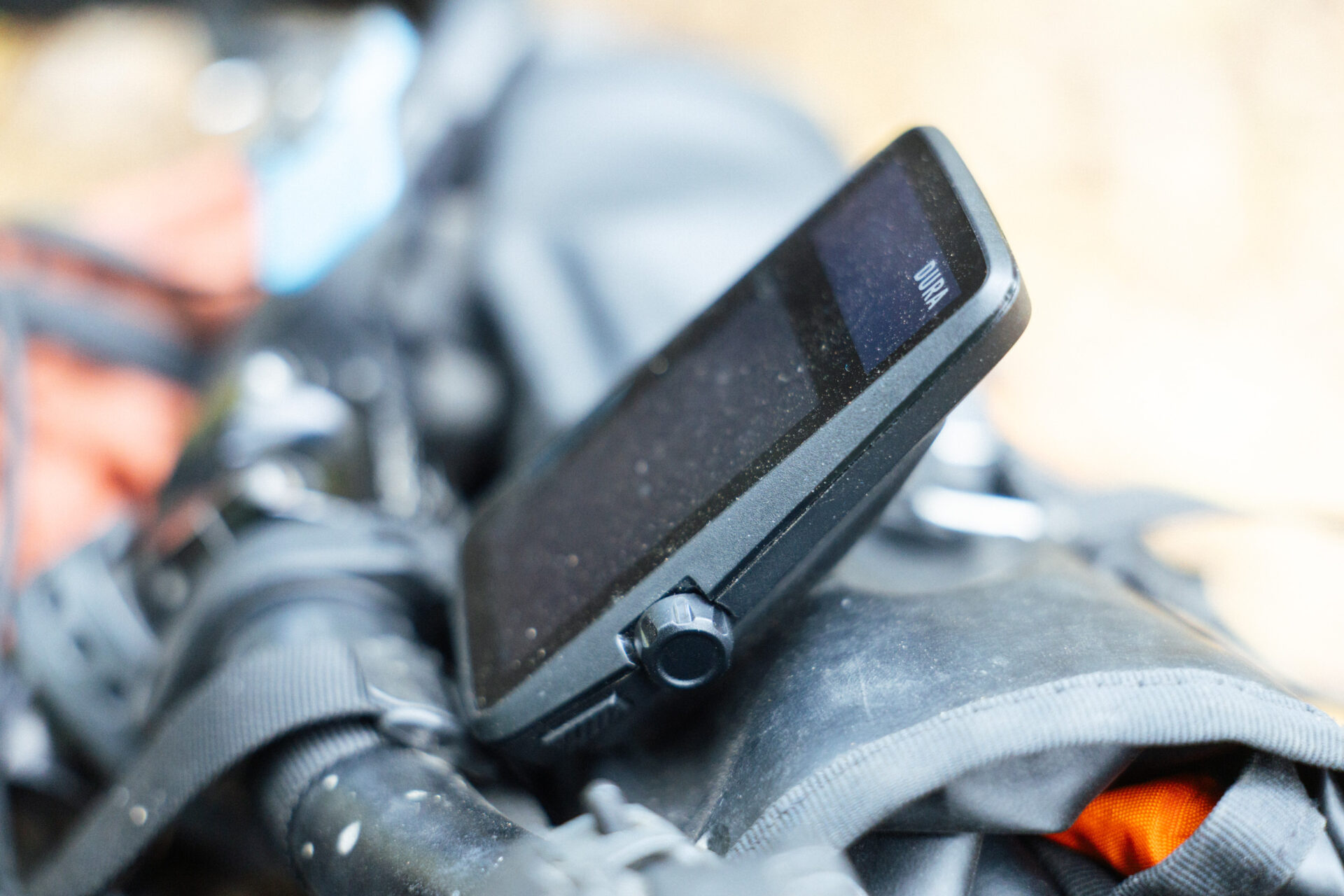
Post ride data analysis includes energy consumption and solar gain.
What else? I’ve also invested in a Coros Dura, partly in preparation for our extended winter touring plans in South America (more on that soon!) I’ve had my eye on this GPS for some time, and many friends have given it the two thumbs up seal of approval.
And so far, so great! I love being able to send on-the-fly gpx files (that I make offline with Mapout) directly to the Coros App, which quickly syncs to the unit via by bluetooth. No data or wifi required. Battery life is phenomenal, especially compared to the Hammerhead Karoo 2 I’ve been running for the last few years. Complete as it is with an inbuilt solar panel, I barely need to charge it at all, and if you do want to top it off, it charges really quickly. The OS is relatively intuitive to use, and of course there’s tonnes of stuff it can do that I don’t need…
My one concern is the side knob that’s used to scroll through menus. Whilst it’s nice and tactile, and useful in the rain, it doesn’t feel like there’s quite enough resistance when you actually turn it, which makes it fiddly to use – it’s too easy to jump through menus accidentally. Hopefully it proves durable enough. I will report back!
Overall though… at $250, I think the Dura’s waaaaay better value than the Hammerheads, Garmins, and Wahoos of this world, and a great compliment to your cell phone for route navigation and recording.
The Route
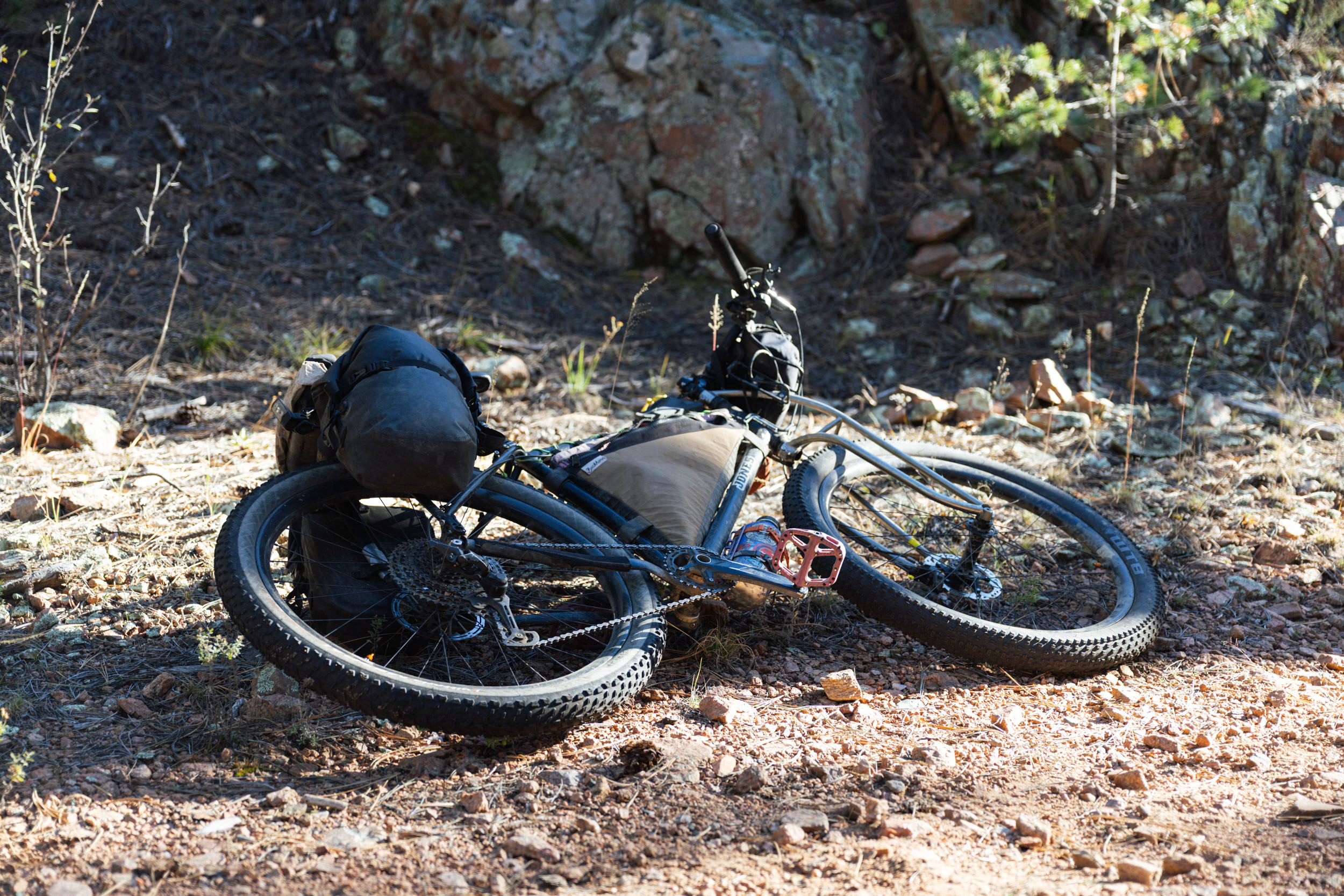
So… there’s a few stiff hike-a-bikes, as the photos show, and the initial climb out of Santa Fe requires considerable grit and concentration. Mostly though, this loop uses super fun backcountry trails and very primitive doubletrack, some of which is pleasantly strewn with rocks and boulders, or the odd bit of deadfall.
We carried about 3 litres of water each, but there were plenty of streams that were flowing – at this time of year at least. Just bring food and a willingness to get stuck in!
That’s it for now! Drop a comment if you feel like it…


Jason
24 October 2025 at 2:55 pm
Very cool. Always tinkering 🙂 Will be interesting to see where you take your lightened up SWB. Would you be willing to share with us a list of your bikes and generally what type of riding you have each one for? Guessing you have some overlap between the bikes you have stored in different countries.
Cass
24 October 2025 at 6:55 pm
Haha, yes, there is indeed much overlap!!
I have a broad collection of bikes gathered over the years, many of which have either been stripped for parts or lent out to friends… these include recumbents, an e-assisted Xtracycle cargo bike, a Surly Pugsley, a Surly Big Dummy, and a Surly Big Fat Dummy!
But of those that are currently rolling, I have 4 Jones bikes, believe it or not – mostly because I just love the Jones riding position so much, and the way these bikes handle. One is my original steel Jones Plus (size L), now fitted with a Rohloff Speedhub, unicrown fork, and a OMM basket. It’s my modern day Riv and perhaps the favourite of my collection, for reasons that I find hard to put a finger on… It needs new rims, or I’d use it more. Otherwise, I have the do-it-all steel/ti SWB pictured above (size L), currently assigned to short range bikepacking trips and day rides alike, both on and off road, with 2 possible wheelsets to choose from. It’s the bike that gets the most use in the US.
In the UK, I keep a steel diamond LWB (size M) that I’ve set up for both off road touring and trail rides – it’s the one I took to the Pyrenees, for instance, and on trips in France. More recently, I built up a Stooge Rambler that’s perfectly suited to riding the backlanes, forest roads, and bridleways where my folks live in Dorset. With its narrower tyres and smaller wheels, it’s the easiest of my bikes to get on public transport, which is an important consideration for me in the UK.
In Oaxaca, I have my ‘forever’ bike, a ti LWB Spaceframe (size M), which is unmatched for magic-carpetness and which truly delights me every time I ride it! Although I use it for just about everything, including enduro trails, I now have my ‘long, slack and low’ Merida hardtail – the Big Trail – which suits me better on the more extreme descents there, especially when I’m riding with friends aboard full suspension bikes. And… as we live car-free in Oaxaca, I currently also have a loaner steel Jones LWB HD/e (size M), set up with a Bafang BBSHD. It’s a Class 3 e-bike, so has lots of power for the steep roads that get to our home, and for weaving in and out of the traffic, which can be hectic there.
So yes, lots of overlap and an emphasis on large diameter tyres and off-road riding, but enough differentiation to keep everything fun and fresh too, especially with a swap of wheels or tyres. All my Jones bikes have a very similar riding position, and even the Rambler has a very swept back Moth bar. I even fitted a set of Stooge Moto bars to the Big Trail, and some inner bar ends too, to make it more comfortable for longer day rides or the odd bikepacking trip.
Ooof… that mostly covers it I think (-;
Michael Dammer
25 October 2025 at 1:11 am
Haha, estas loco compadre! Mas que yo.. 🤪
Cass
25 October 2025 at 7:42 pm
Hahaha, many bikes that do pretty much the same thing!! But I love them all, almost equally (-;
Good to hear from you mi compa!
Jason
5 November 2025 at 8:46 pm
Really interesting to see how you’ve built your stable 🙂 Makes total sense. It seems like in each country you have one that’s setup for comfortable touring and another that’s just plain fun. And the e-bike just makes practical sense. I don’t recall seeing that original steel Jones Plus before. I google searched “Jones Plus” and the second hit was your review on bikepacking.com 🙂 I see what you mean about it being a favorite. I’m going to guess: a) it’s steel with a classic vibe b) the colour pops like the desert sky (and goes great with chrome) c) you obviously rode it around when your son was very young, so it must have serious memories. So the Jones riding position is just more upright for long days in the saddle? Or there is something more to it? Would you ever go back to a e-cargo? Thanks as always 🙂
Cass
8 November 2025 at 8:15 pm
There’s more to it than an upright position, though I do like that a lot. The fork offset is more than usual which sharpens up handling, the bottom bracket is pretty low for stability (with short cranks specced too), and the wheelbase is longer than normal, which is great for roughstuff stability. Plus there’s the big tyres!
RAP
24 October 2025 at 7:46 pm
Great post. Jones SWB owner here. Curious – how do you fly/travel with your bike? Do you have documentation on this anywhere. Thanks!
Cass
24 October 2025 at 7:52 pm
Thanks!
I invariably use my Ground Effect Tardis and LOVE this bag, for both flying and for high speed trains in Europe, which often require a bike to be bagged.
I have an older post about it here:
https://stilloutriding.com/2023/07/back-on-the-isle-of-purbeck/
And some more recent (but likely similar) words on it at the very bottom of this one:
https://stilloutriding.com/2025/08/my-gran-travesia-del-pirineo-catalan-part-2/
mike
26 October 2025 at 9:53 am
it looks so good, I can’t imagine how it would be to be based somewhere where the trails are {mostly} dry and dusty all year round.
Cass
29 October 2025 at 10:14 pm
Completely dreamy is the answer!!
This said, during the rainy season, the hardpack clay roads can become a complete quagmire…
Gar
29 October 2025 at 8:22 pm
Looks like a nice upgrade!
What made you go for 29 wheels and not 27.5? I’ve been thinking to build 27.5+ wheels on my Surly Ogre with a rohloff hub to get some lower pressure going as it only clears 29×2.5. I’ve never tried 27.5 so could be a fun experiment.
My other Idea is to get a Jones bike from that budget!
With the surly I get toe overlap on the medium frame as I do midfoot placement and it’s super annoying on steep climbs. The Jones with the fork rake provab wouldn’t have that!
Cass
29 October 2025 at 10:13 pm
Thanks!
In part, because there’s tonnes of great 29 x 2.4/2.6in tyres available, and dwindling options with 27.5+.
Also, 29 x 2.5/6in tends to fit within the racks of public buses in the US, but plus tyres often require you to deflate them. I have an LWB with 29 x 3.25in tyres, so this intended more as a lighter and faster option for mixed road touring.
This said, if you’re running 27.5+, check out the Schwalbe G-One All Round in a 27.5 x 2.8, I love that tyre for forest roads and paved lanes alike.
I use midfoot placement too, no issues on the M or L Jones frames that I’ve experienced, either SWB or LWB…
Gar
31 October 2025 at 5:50 pm
Thanks for the info! Does the SWB ride very similar compared to an Ogre with Jones bars in case they have the same 27.5×2.8 tyres (e.g. G-Ones)? I would emulate the Jones geometry by getting a very short stem.
The Jones SWB is hard to get in Europe so keeping my Ogre with some new 27.5+ wheels and handlebar might be a good option. But I’m also eager to finally try a Jones! At the same time I have a somewhat emotional conne to my Ogre and I can only keep one, aha!
Cass
31 October 2025 at 6:18 pm
It’s a long time since I’ve ridden an Ogre, but I’d say Jones bikes have their own unique ride, down to a combination of factors that include the increased fork offset, higher stack, and shorter reach, as much the sweepy Jones bars.
This said, I think your Ogre with some G-Ones and a set of Jones bar would be super fun!
Gar
31 October 2025 at 6:33 pm
Thanks, helpful:-) I’ll see how much Jones shipping would cost me and go from there. I don’t think there’s a wrong decision here, haha!
Evan
21 August 2026 at 8:49 pm
Hi Cass, Thank you for sharing all your writing here and at Bikepacking.com. Such a wealth of great information (and inspiration!). I recently purchased a Jones LWB HD/e and a Jones aluminum wheel set. My riding will involve quite a bit of pavement and I am thinking about running the Vittoria Mezcal 29×2.6 tires front and rear. I’ve heard the 2.6 Mezcals are true to size or perhaps even run a little wide. Based on your experience, do you think they will work well on the Jones wheel set with a 45mm internal rim width? Or is there a different option that might be worth looking at? Thanks in advance for any thoughts you might be willing to share!
Cass
25 August 2026 at 8:07 am
Hi Evan,
Thanks for you message!
I’ve run 2.6 Mezcals on Jones alloy rims with no issues. On a wide rim, those tyres actually come out pretty wide, maybe even 2.8! It does mean the bike sits a little lower than a ‘true’ wider volume tyre and the profile is a bit more square edged. But I think it’s fine on those rims and you’ll notice a significant difference if your riding is mostly pavement based. Funnily enough, I’ve run them on C-rims as well (49mm internal) and I found they changed the handling just a bit more than I like, even those there’s technically not much between the two different rims in terms of width.
As an FYI, I’ve also tried 2.5in Surly ETs are found those measure up similarly, and they’re also fast rolling. A solid rear tyre for sure. Heavier than the Mezcals but perhaps more hardwearing? Not that I’ve had any issues with durability with Mezcals.
I’ve ended up investing in a second wheelset with 35m internal width rims, and do prefer these for narrower tyres, like the 2.6 Mezcals, saving my alloy rims for bigger meats, like the Crux Duro and a few remaining 3in tyres I’ve stockpiled.
I’m a big fan of the HD/e both assisted and acoustic! I hope you enjoy it too!
Evan
27 August 2026 at 7:15 pm
Hi Cass, Thanks so much for the detailed reply! I’ve gone ahead and purchased a set of the 29×2.6 Mezcals, but it’s good to know the Surly ETs are a viable option as well on the Jones rims. My wife has those in 27.5 format on her Bridge Club and they are definitely a long-lasting tire!