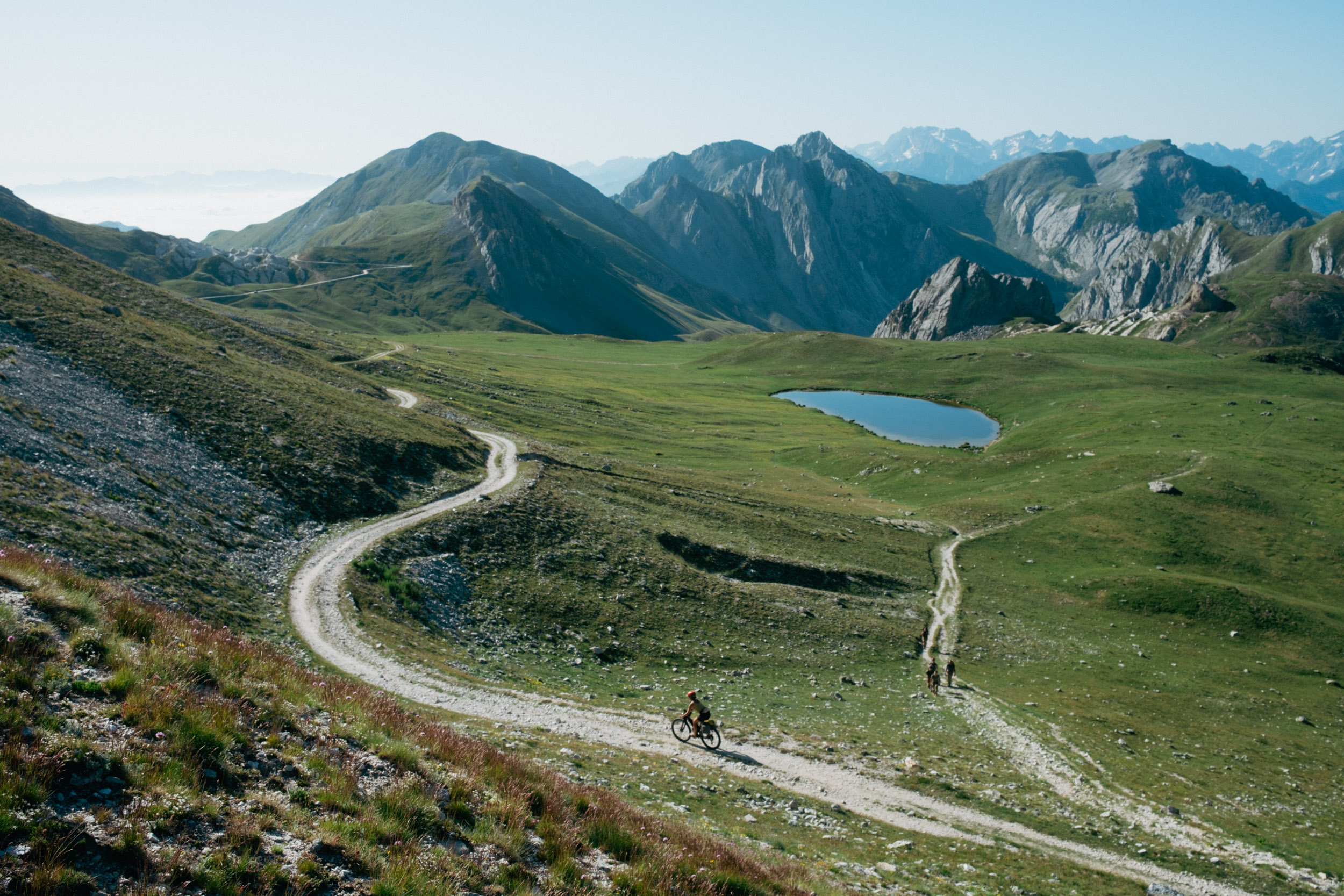
Last autumn I set out to ride the Torino Nice Rally, a 700km bike tour that tackles the cols and stradas that crisscross the border between Italy and France, often at elevations of 2000m or more. I’ve wanted to ride this route for a number of years and the first few days were a joyous delight – I posted about them to Instagram, here and here.
Unfortunately, however, I had to hang up my cycling sandals in Sampeyre, when snow and unrelenting rain took hold of the land. The descent from Col Agnel was particularly cold and bleak, especially for my toes, and after cross referencing multiple forecasts in search of a glimmer of sunshine and hope, I had to accept I wasn’t kitted out for what the alpine weather had in store. I was saddened to leave this wonderful region, especially after the long journey to get there from the UK, but 1/ I hopped on the train to the South of France and ended up having a lovely ride in the Gorges du Verdon instead and 2/ swore to myself that I’d return.
Which I did, with Emma, earlier this summer!
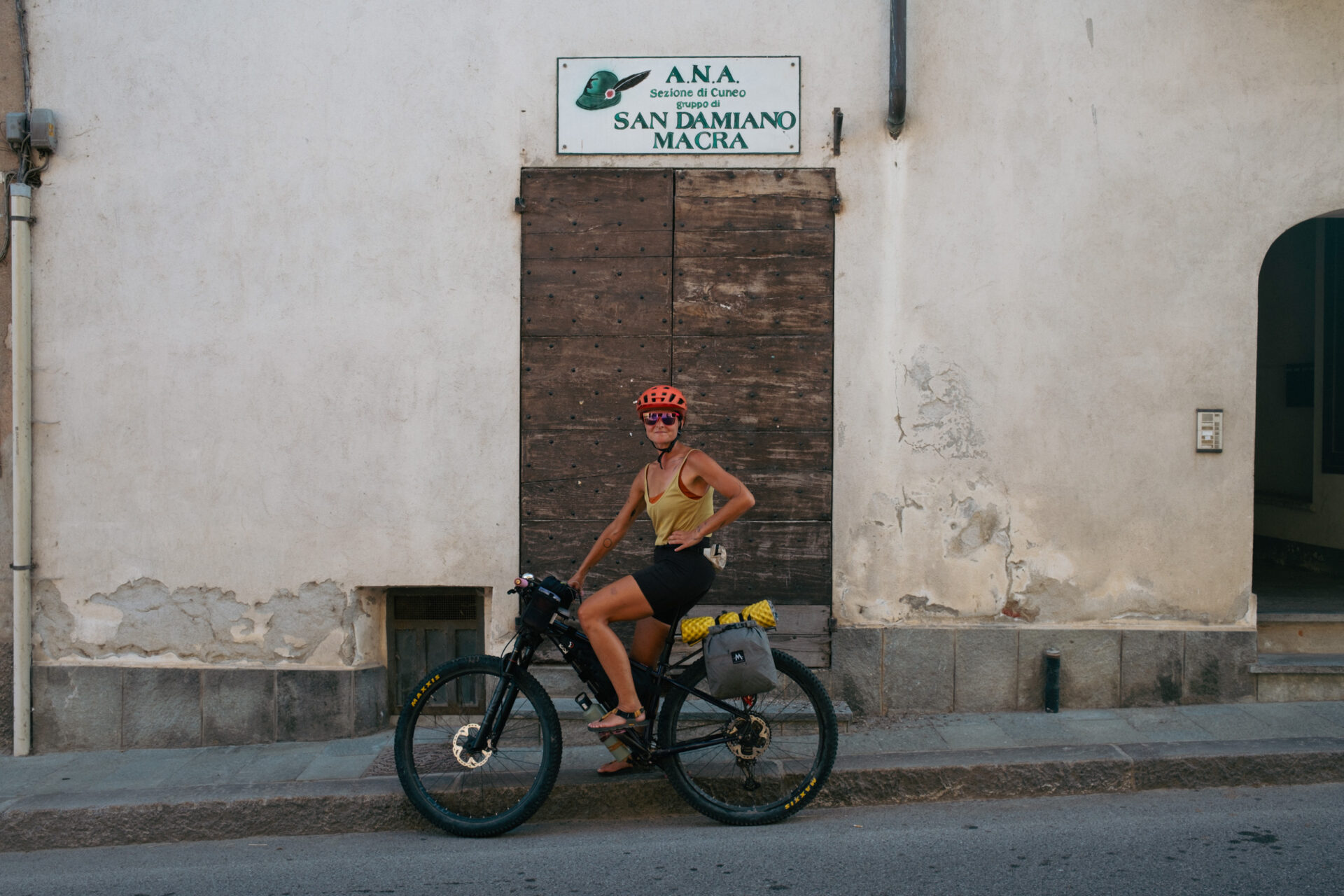
We started our trip close to where I left off last year, plotting a mixed terrain ride from the train station in Cuneo to intersect with the official Torino Nice Rally route in San Damiano Macra. Having already spent a week touring in the Gorge du Verdon (back again, this time with Sage!) we were down to our last few days in Europe and somewhat enthusiastically, intended to ride all the way to Nice to complete unfinished business. But… us being us, we soon realised we weren’t moving with the speed and efficiency required to connect with our booked TGV to Paris, and, in turn, the ferry from Cherbourg to Poole. This was stressing us out and whilst the idea of riding to Nice had seemed like a noble goal, it was feeling at odds with the chilled vibes we also sought. So, we decided instead to slow things down, and rely on public transport for the very last section, from Breil-sur-Roya to the Mediterranean coast.
By doing this, we could reinvest our days more wisely into two of the TNR’s extended gravel sections, ones we were particularly looking forward because they were considered to be highlights of the whole route – rather than racing through them just for the sake of getting to Nice by bicycle. Plus, the very last segment of the route is mostly paved, so less appealing given our chosen setups (mountain bikes with 2.6in tyres) and there was also the summer heat to contend with (35C degrees, often). Besides, it now gives me another reason to return… yet again!
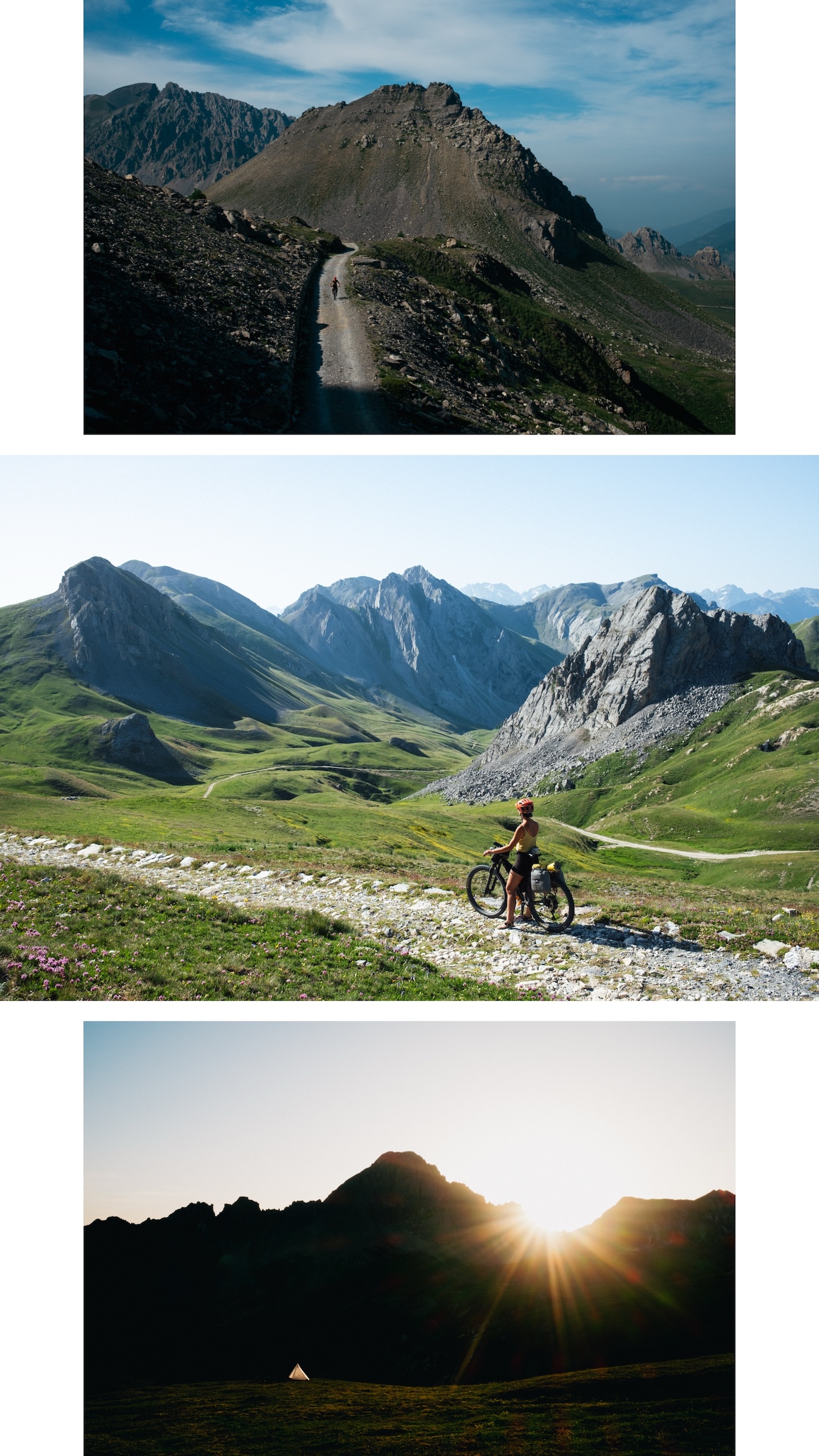
Dawdling encouraged.
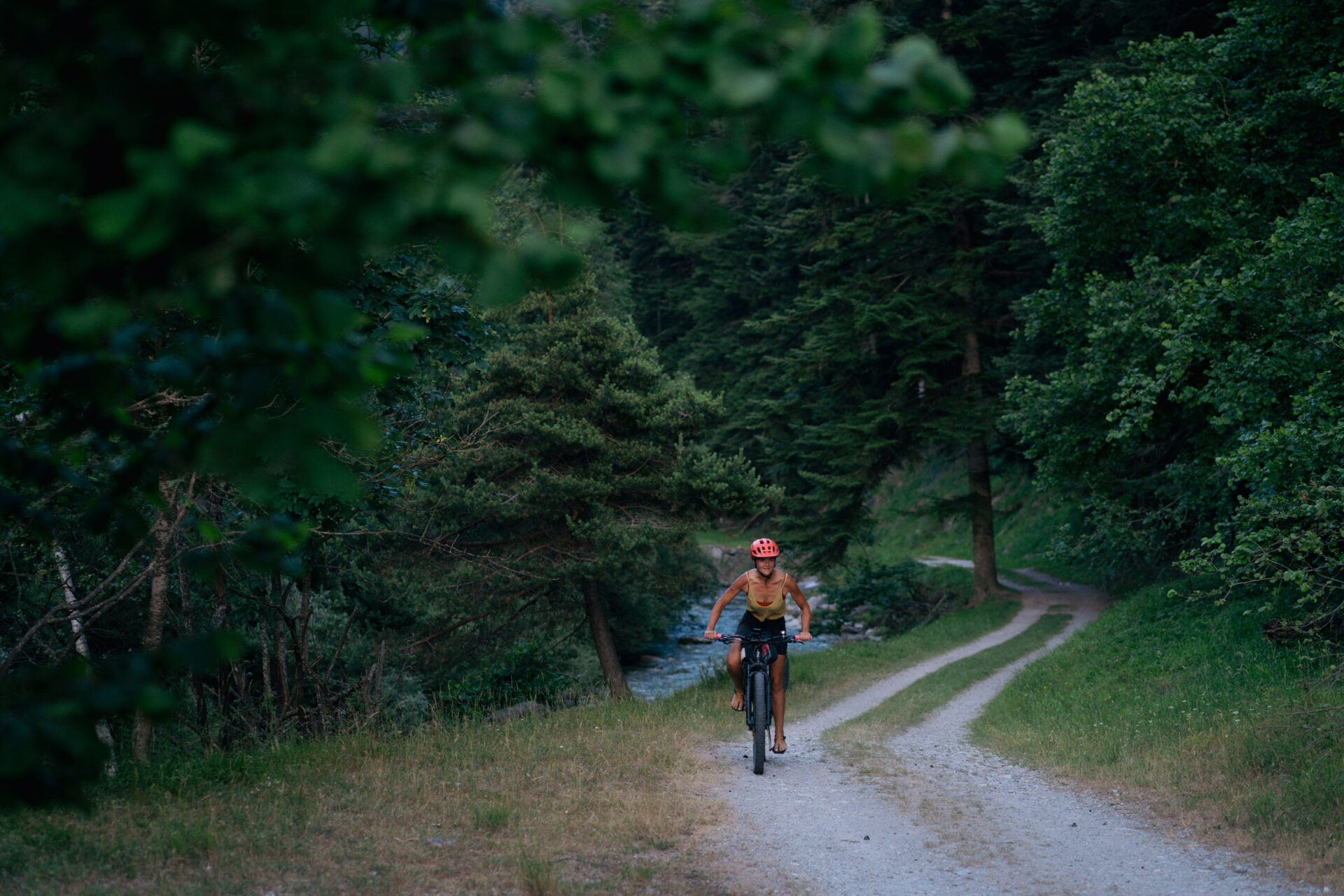
It was Emma’s introduction to both Europe and the European Alps, and she absolutely loved being there from the get go. We drank one Euro espressos with abandon. We delighted at Italian supermarkets and their isles of fresh pasta and cheap bottles of rosé. We dawdled in refugios sipping yet more coffee, or indulging in cake and pizza. We wild camped in idyllic, grassy spots every night. We stopped to appreciate delicate wild flowers, abundant at this time of year, or the changing light throughout the long summer days. We wondered at the names of the mountain tops that surrounded us and cold plunged in glacial rivers to temper the heat. Yes, we’d have loved even more time to ride what we did, but still, I think we made the most of our days there.
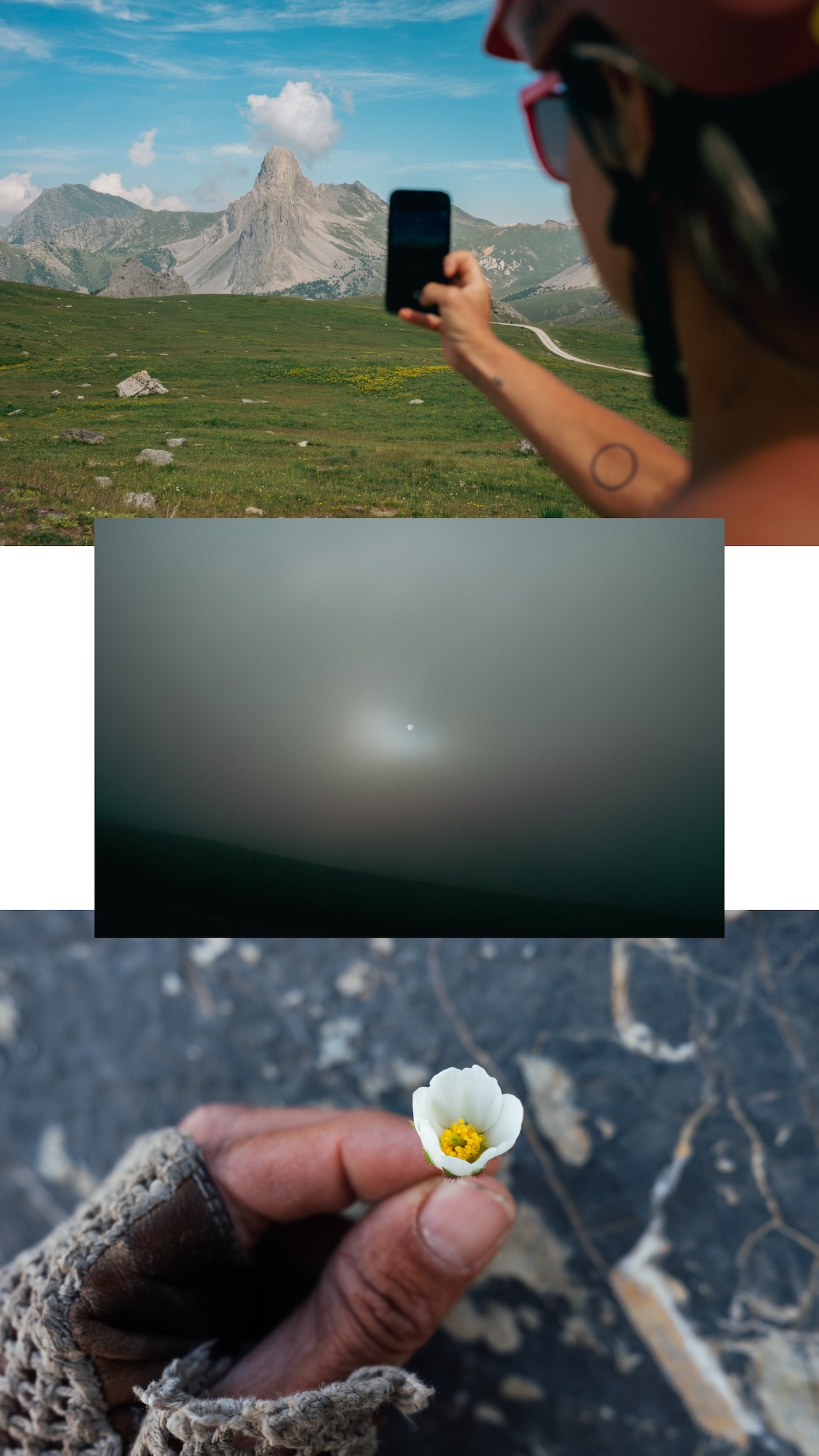
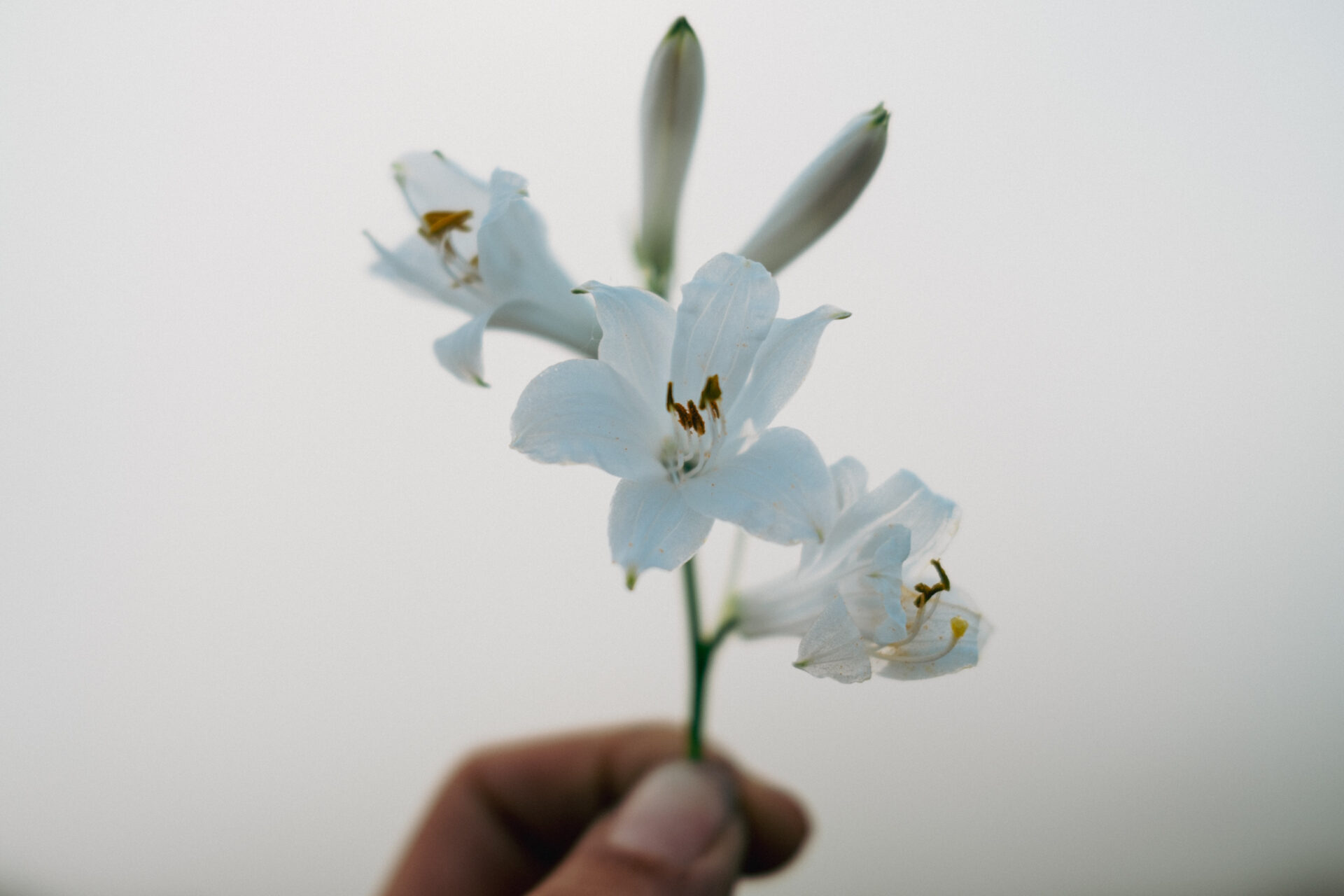
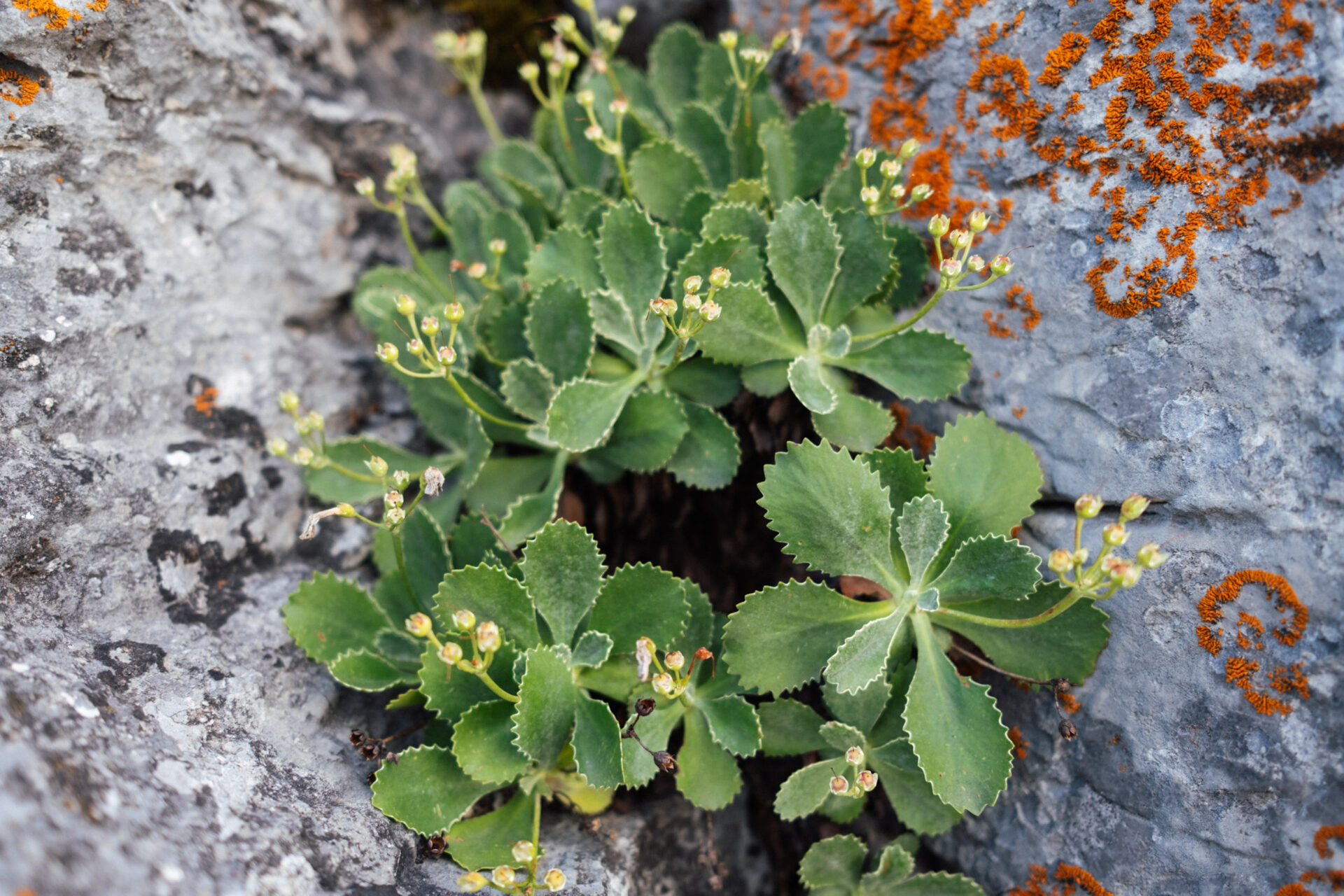
Don’t peddle too quickly… or you might fly by the very littlest of things.
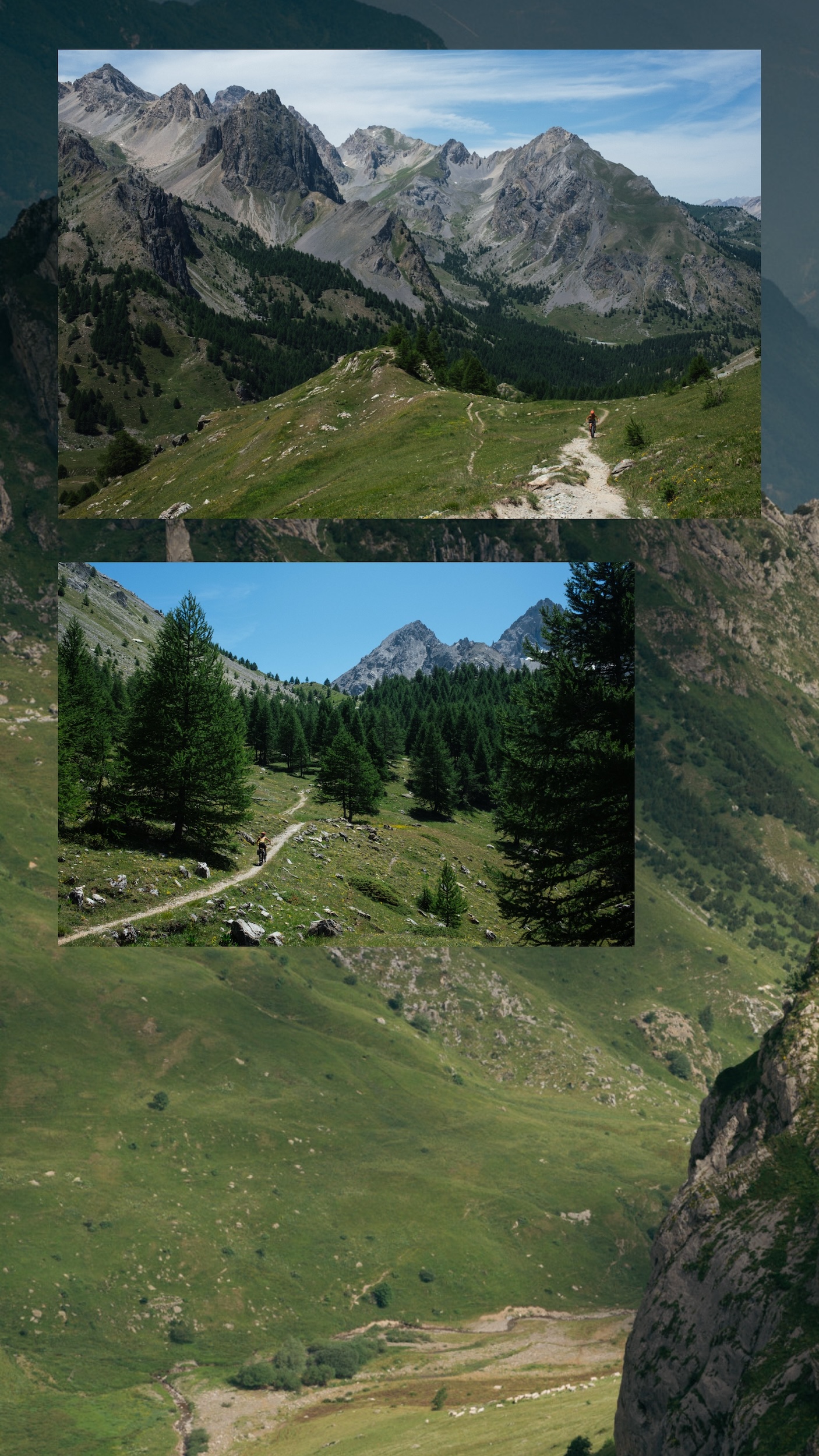
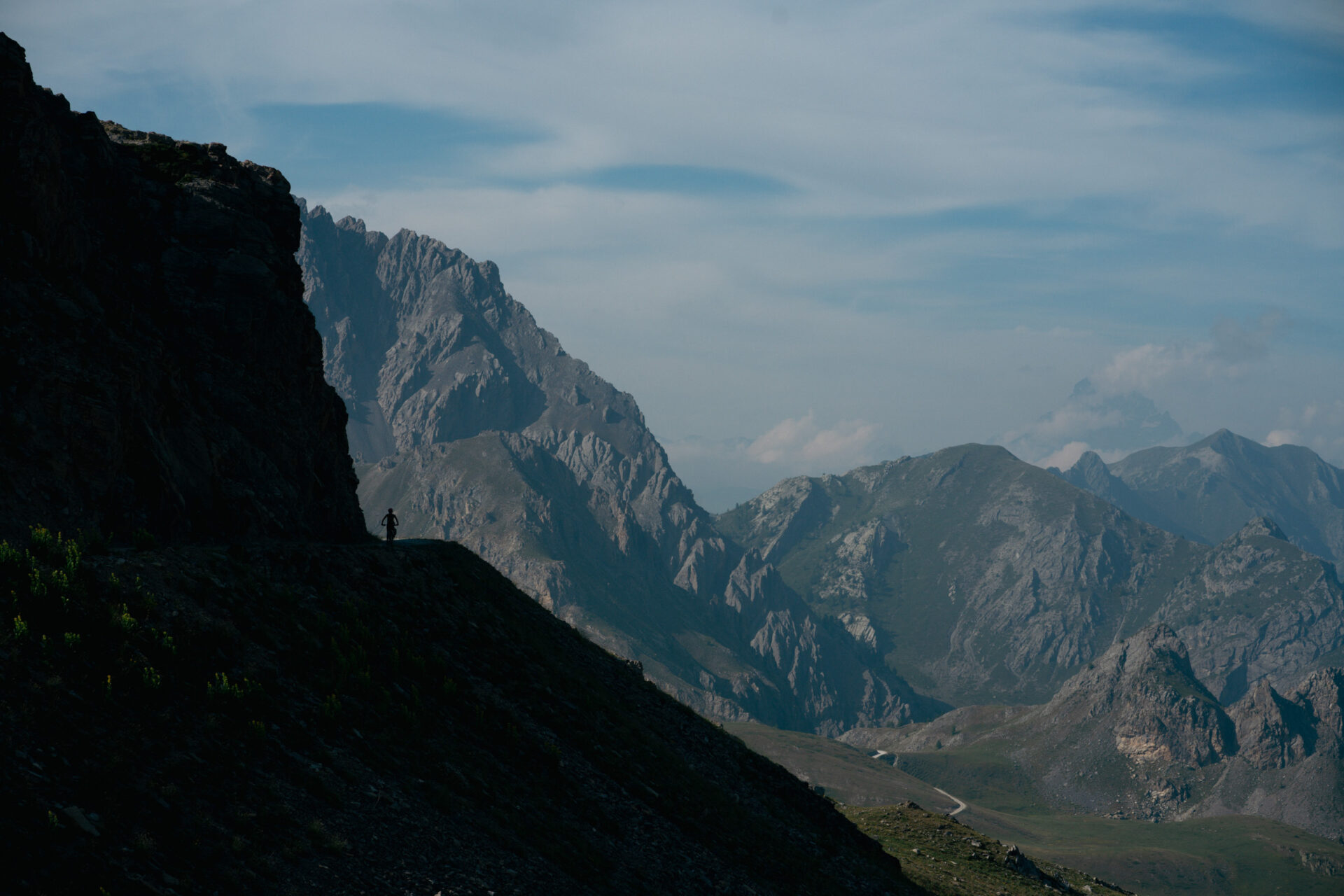
This second half of the route – its highlights being the two extended gravel sections, Via Del Sale and ‘Little Peru’ – cemented my zeal for this area, and the Torino Nice Rally in general. Sure, I modified the official route in places to suit my tastes, maximising time spent off road. But such mods are very much the intention of the rally format, which serves as a blueprint for ideas, with a number of alternates to suit weather and whims.
As mentioned, I’ve written and enthused on Instagram posts here and here, so I won’t repeat myself right now. But… if you haven’t ridden this route (or rather, collection of routes) I recommend it highly! The need to make actual navigational choices, rather than simply following one fixed line on a handlebar-mounted GPS, encourages riders to both learn more about the area and decide for themselves what appeals most, a process that we both really enjoyed.
Here are some snaps I took along the way, mostly ones I posted to my Instagram stories – hence the layouts – with an added gallery too, and RWGPS maps to show the modifications we made both to the first and second half of the route, this year and last.
Thank you James Olsen for continuing to share your love for this area in such a refreshing and creative DIY format. Do be sure to check the Torino Nice website for more about the route, all its permutations, and its history. This page gives you a really good feel for what it’s all about.
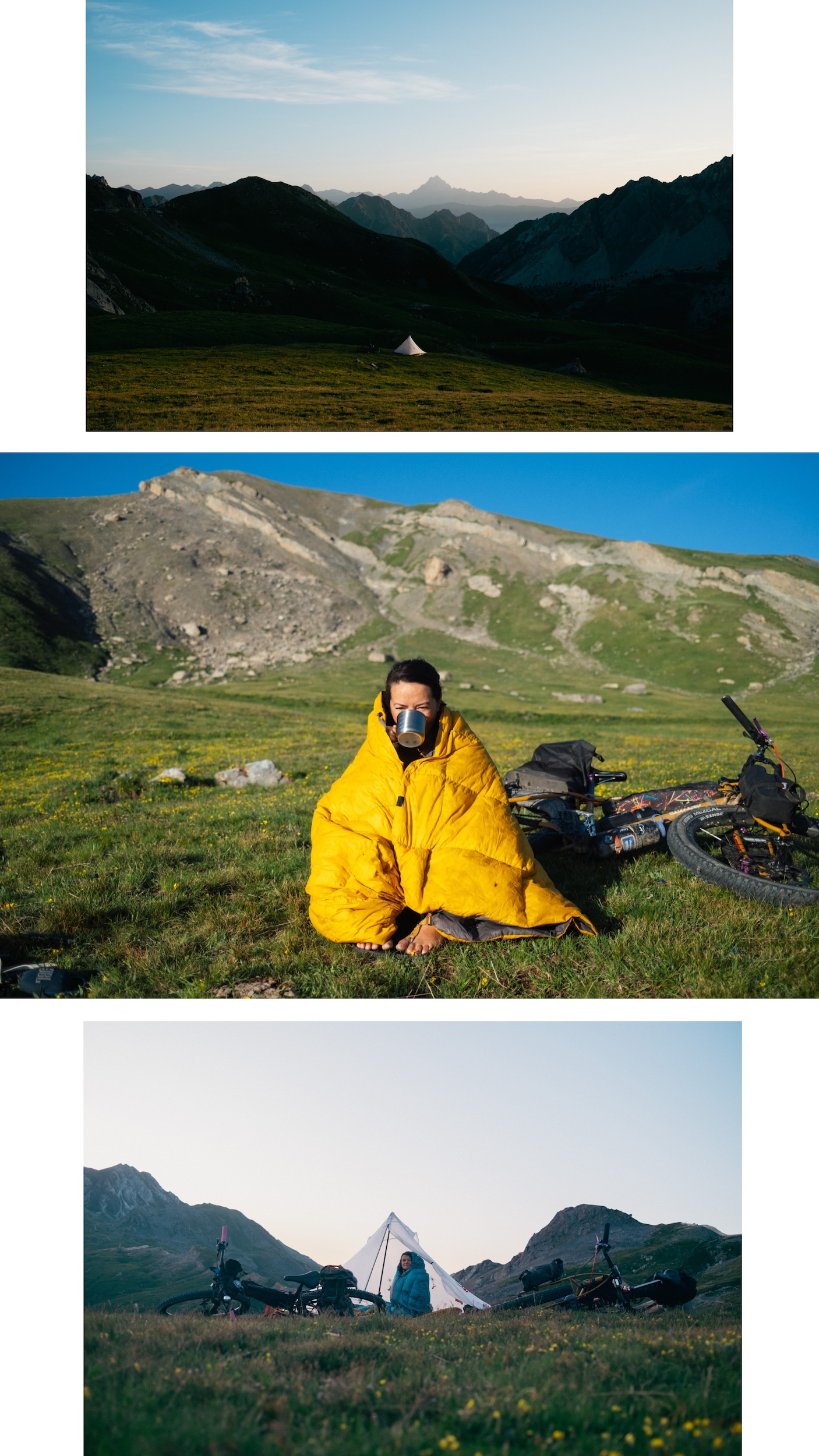
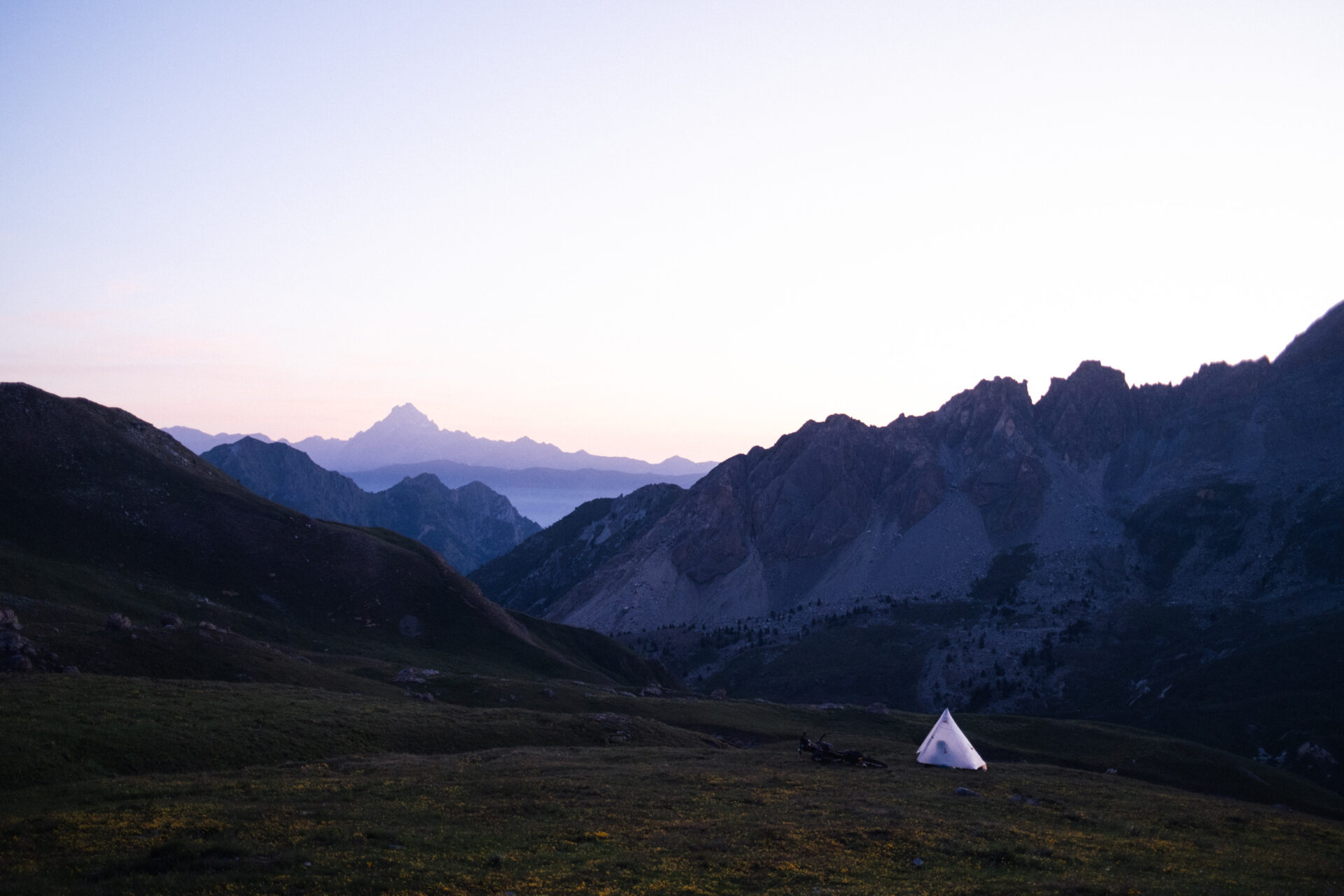
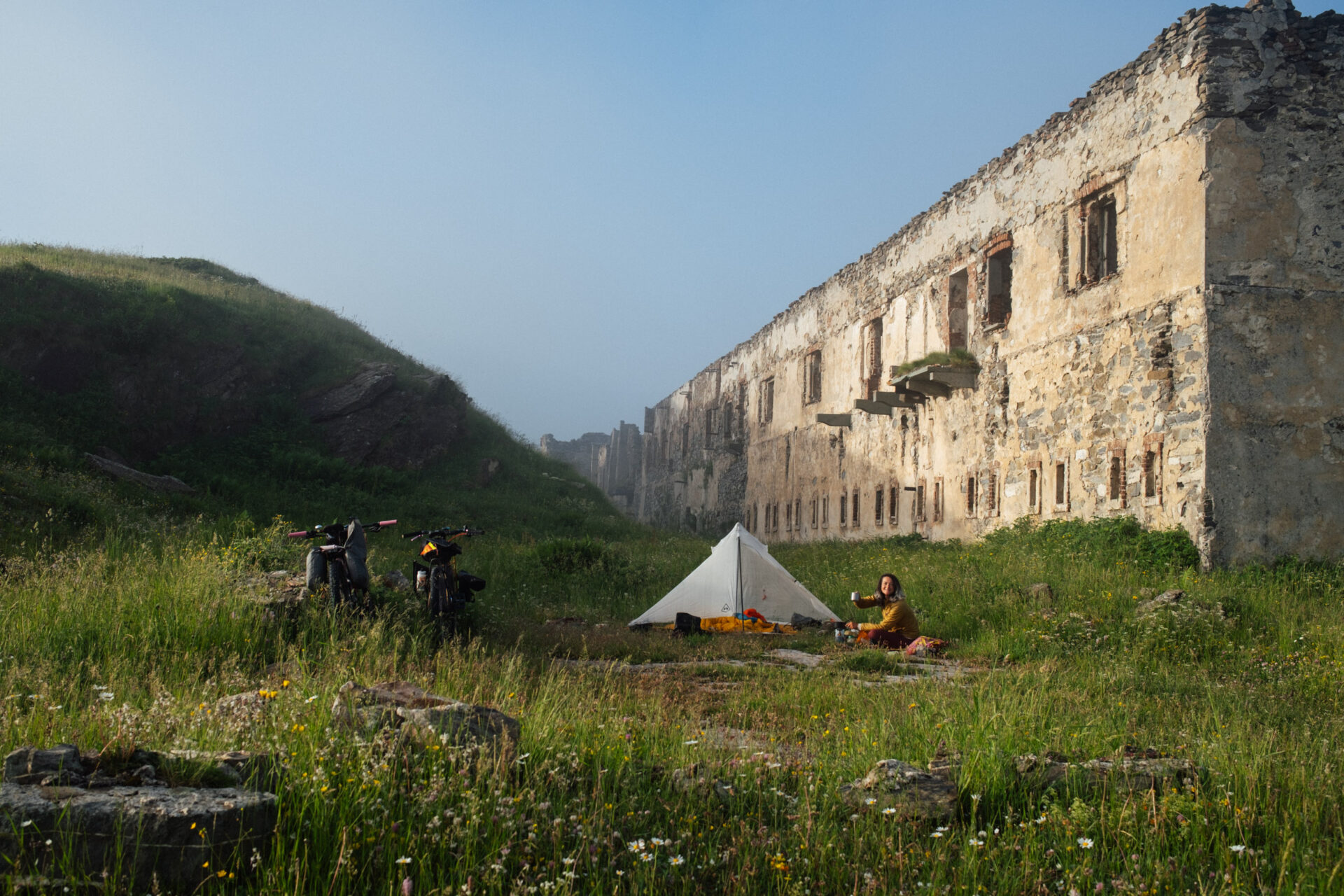
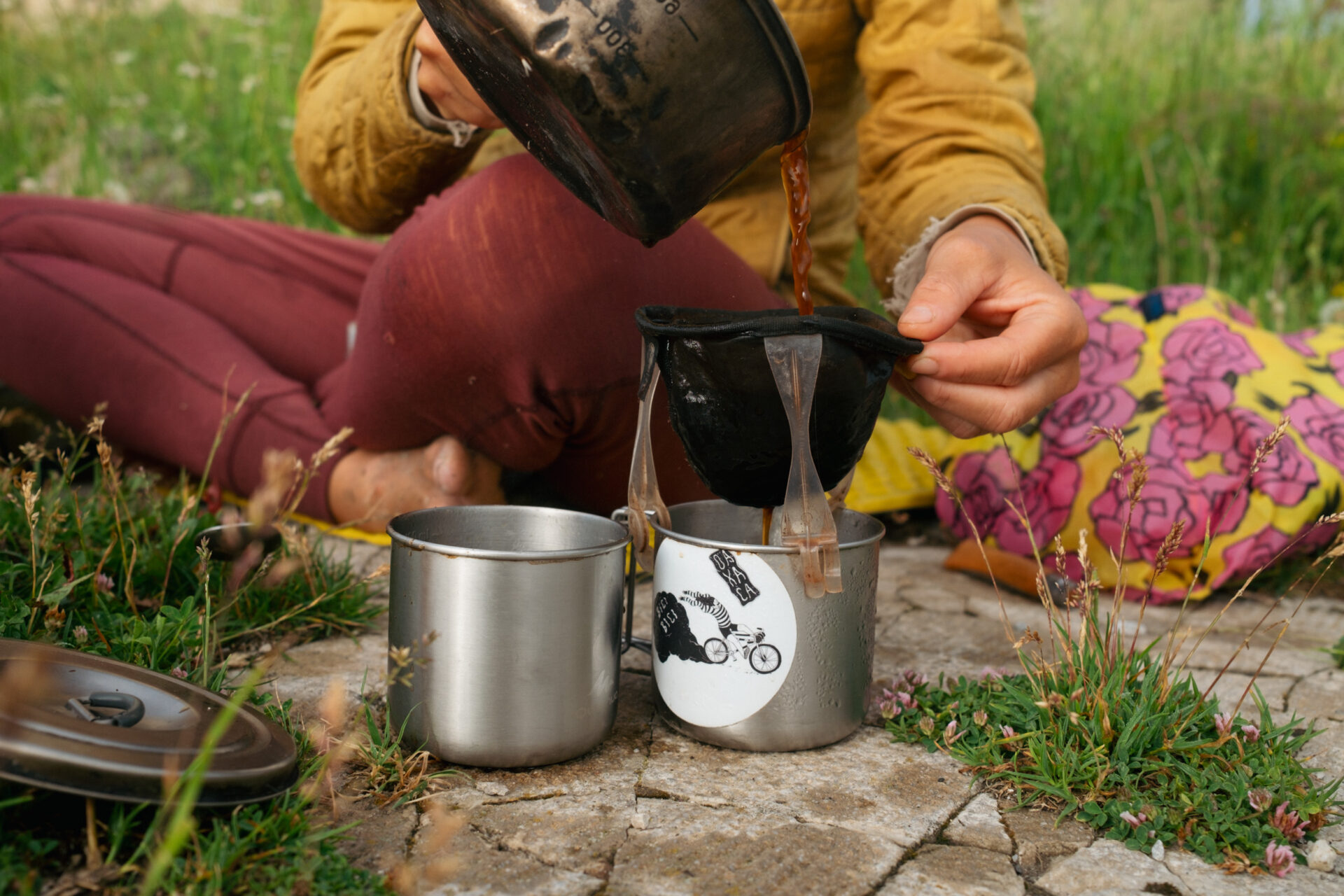
At sunrise, a little coffee-loving hobbit creature emerges.
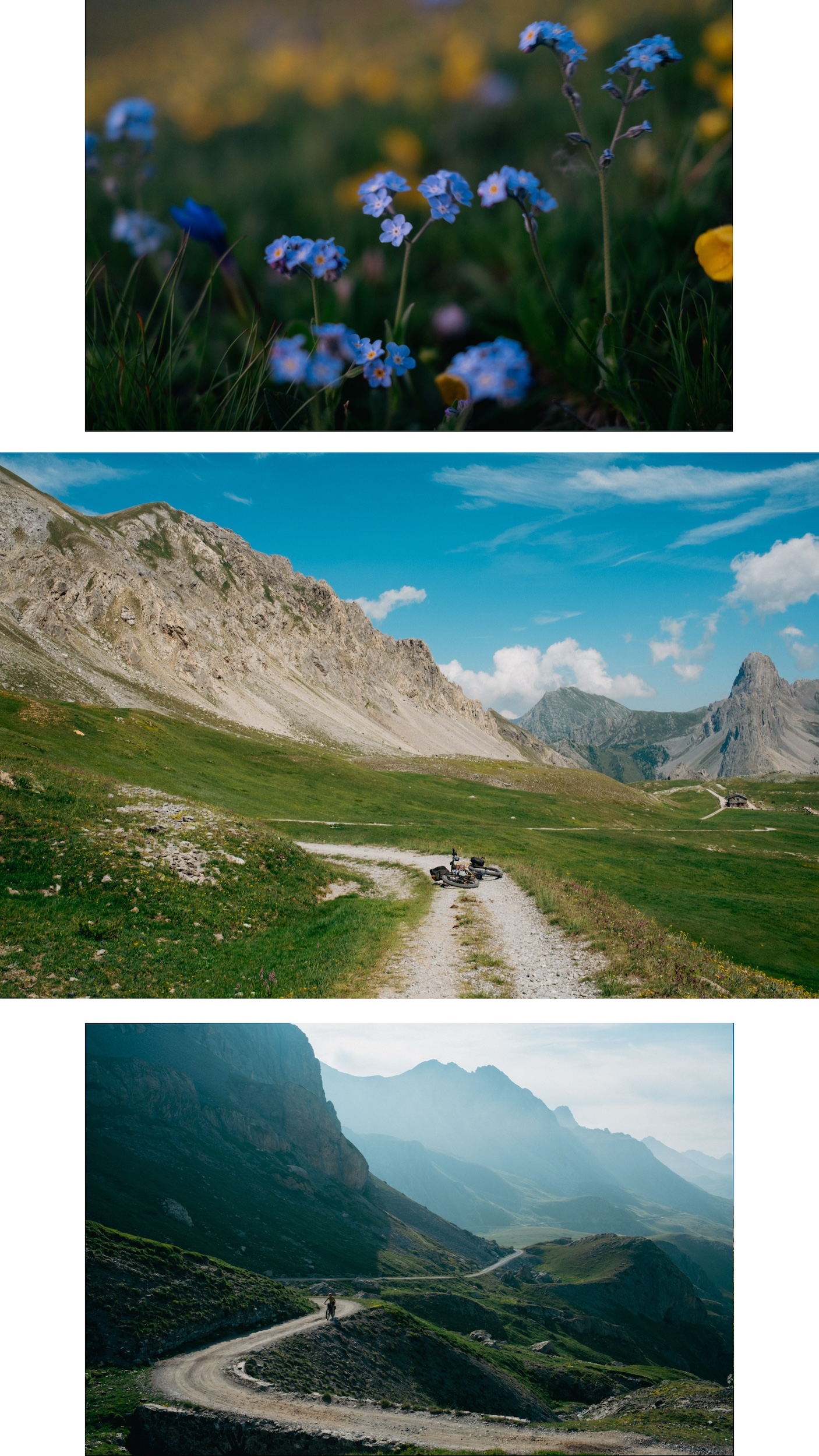
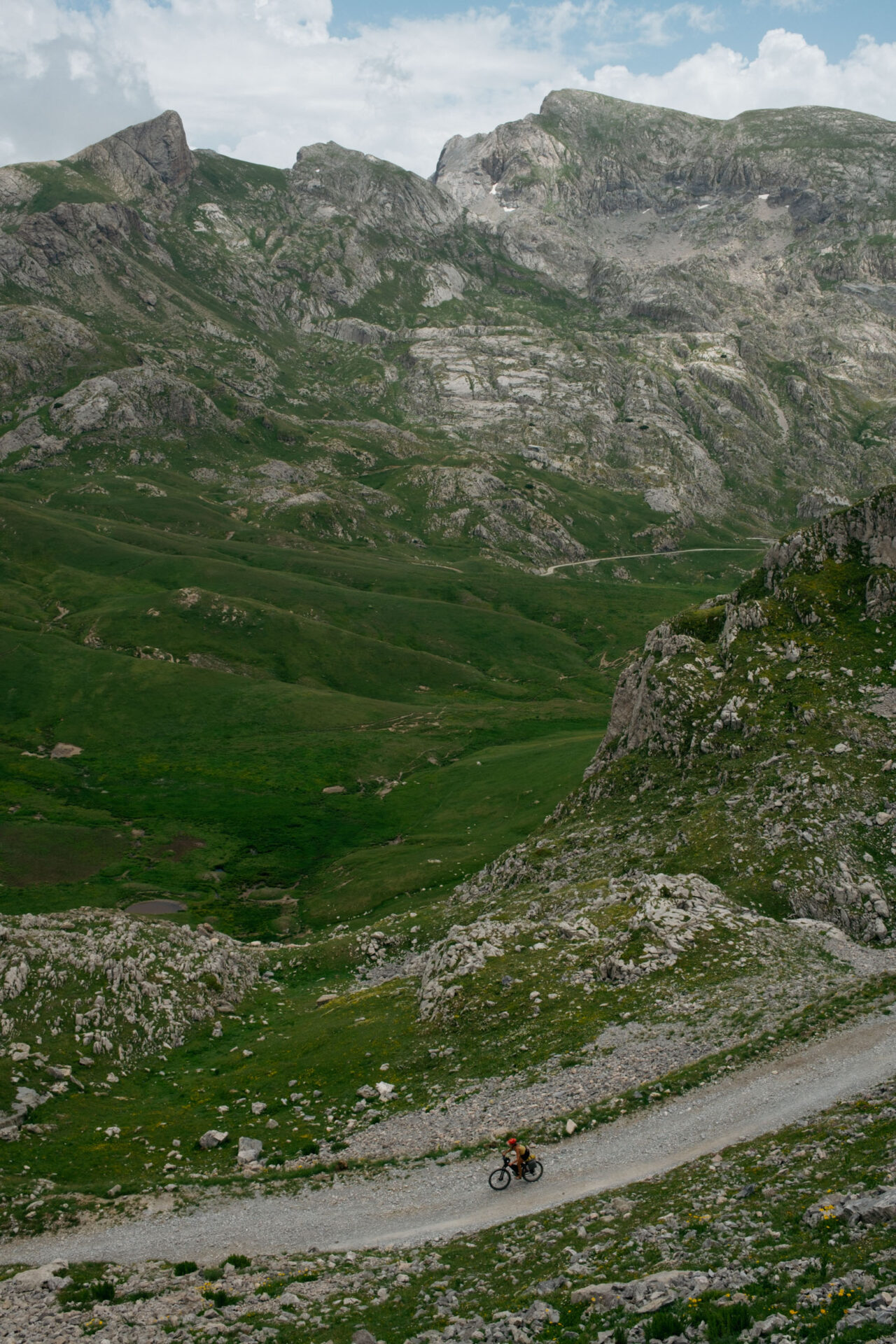
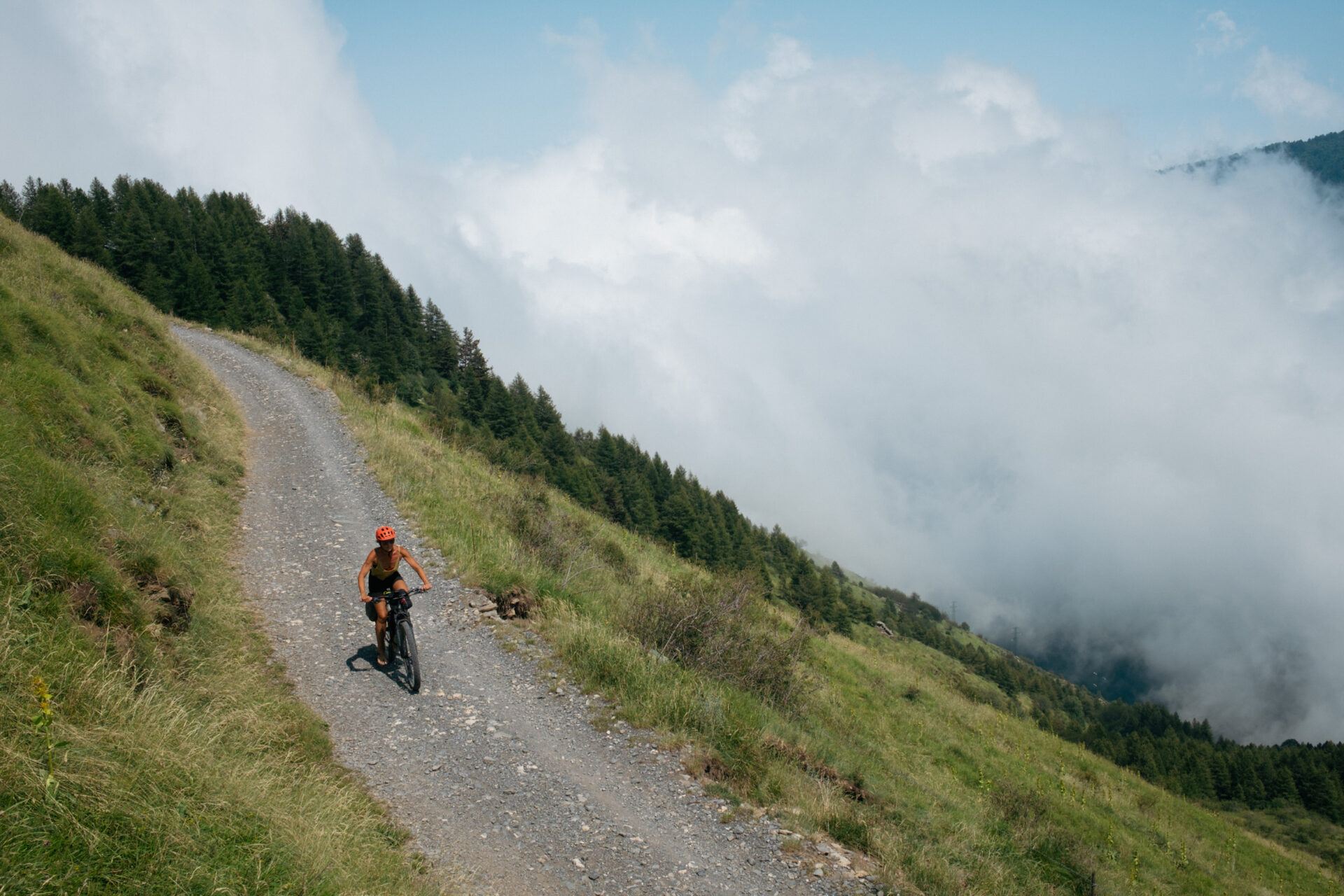
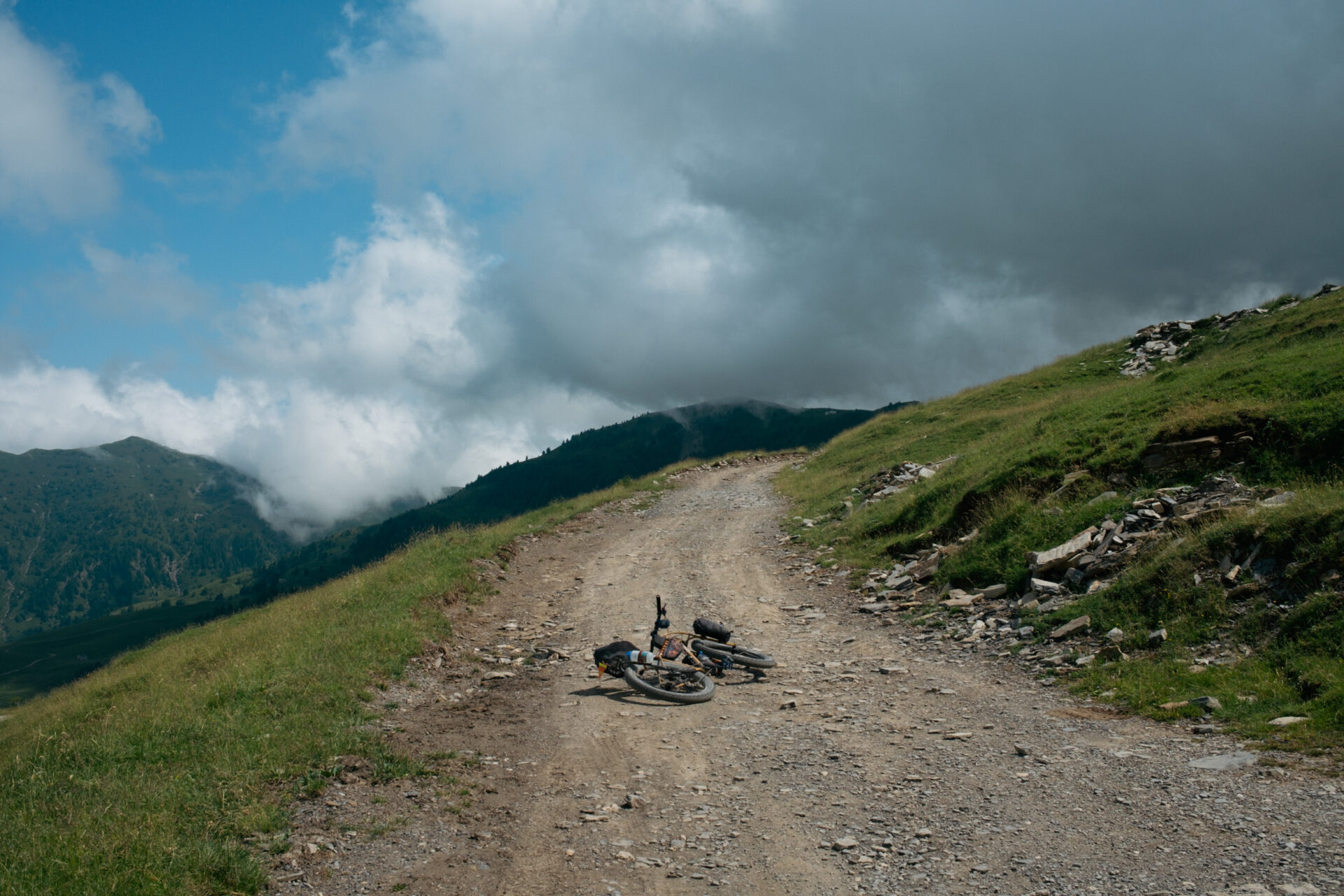
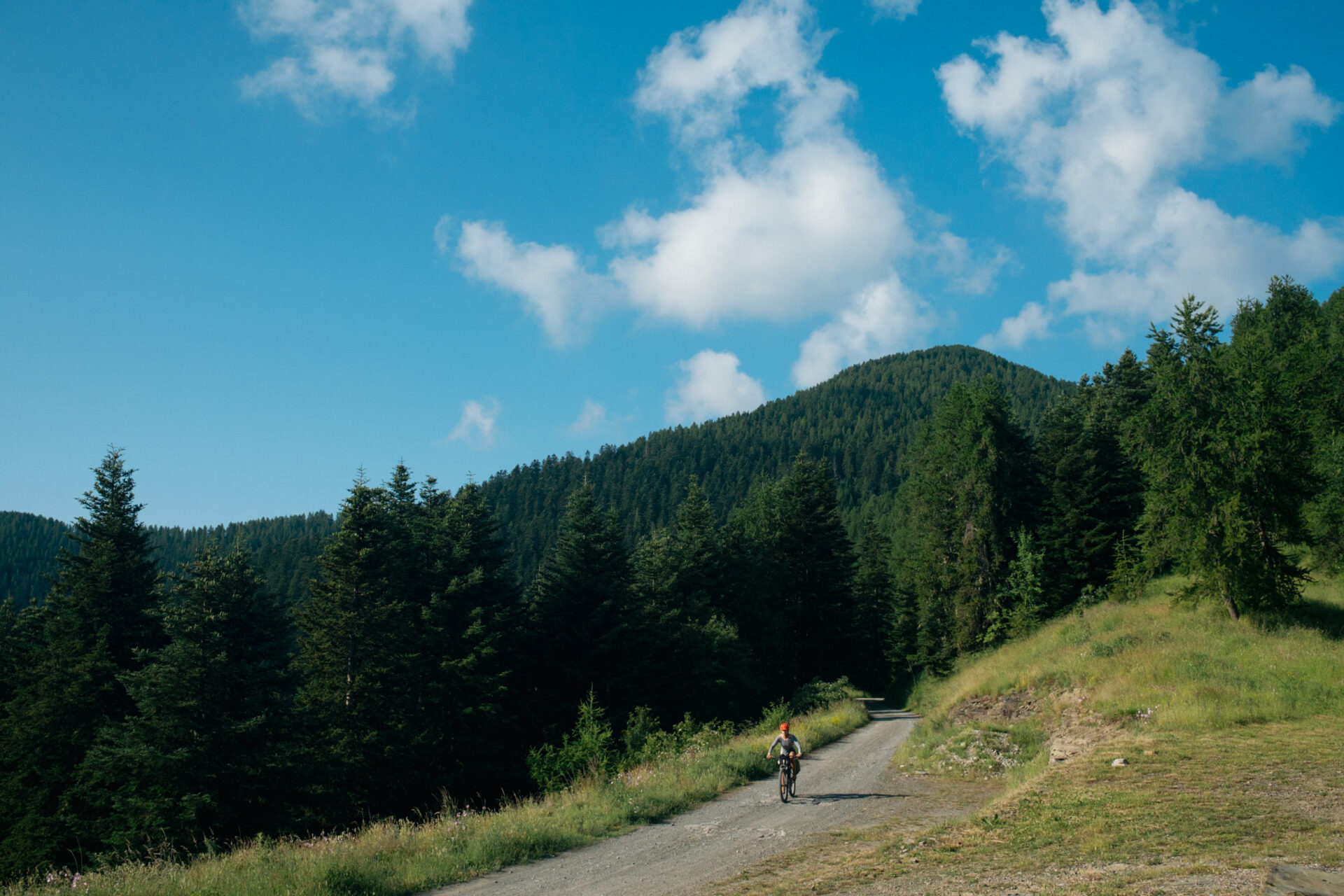
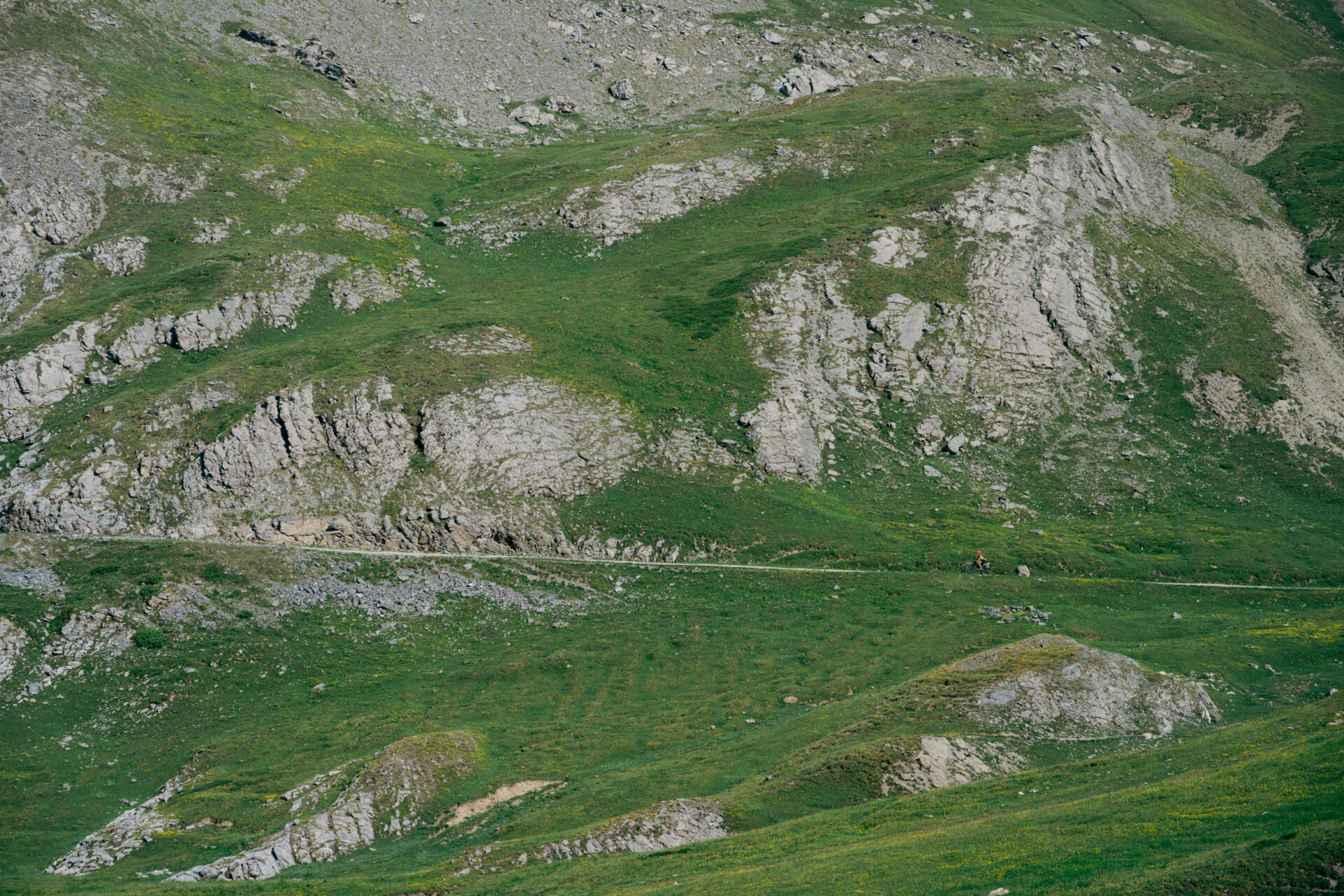
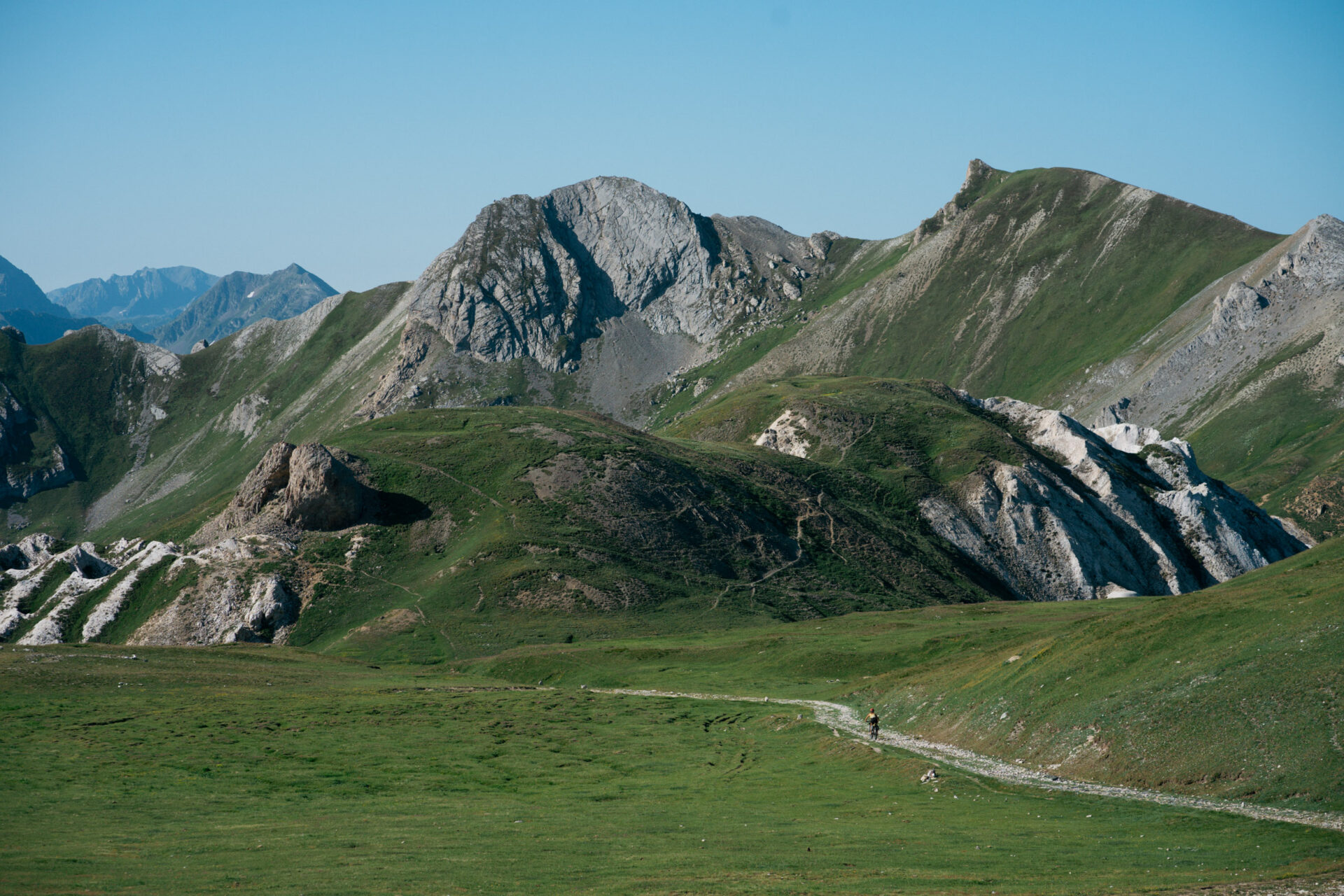
As a fan of ‘Big Peru’, ‘Little Peru’, the TNR’s nickname for Strada Verso Gardetta, did not disappoint. We camped early because… why wouldn’t you want to eek it out?
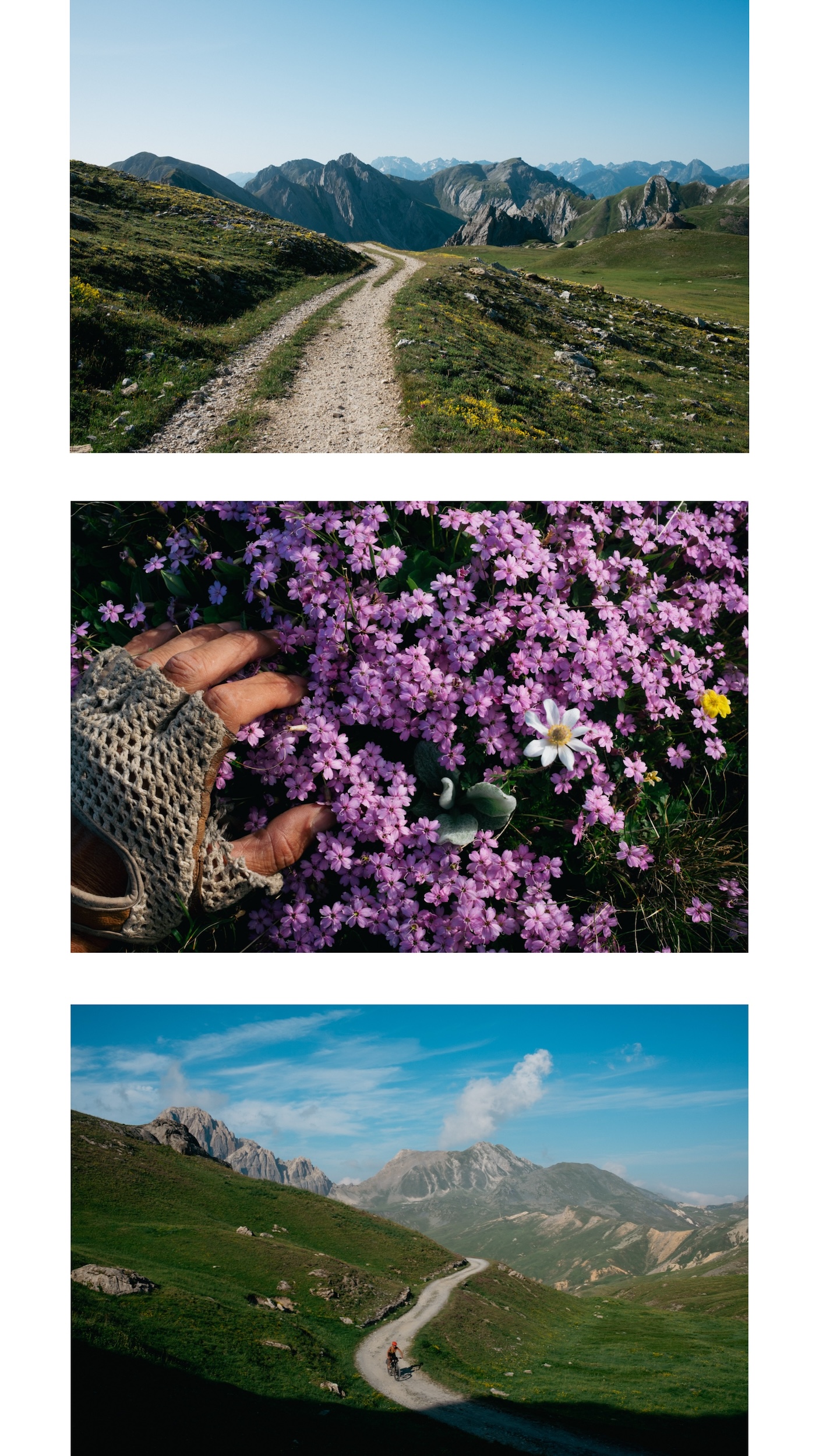
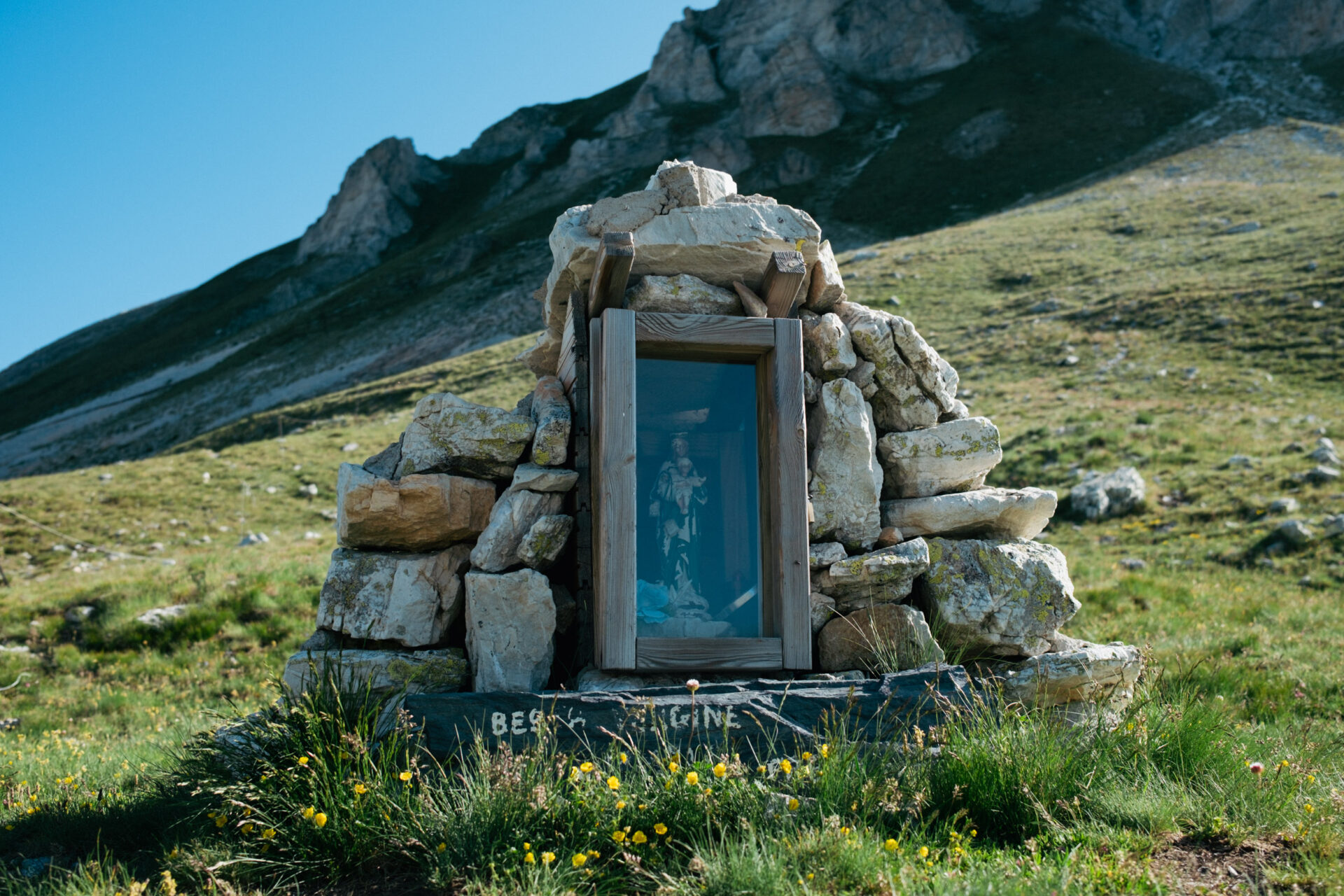
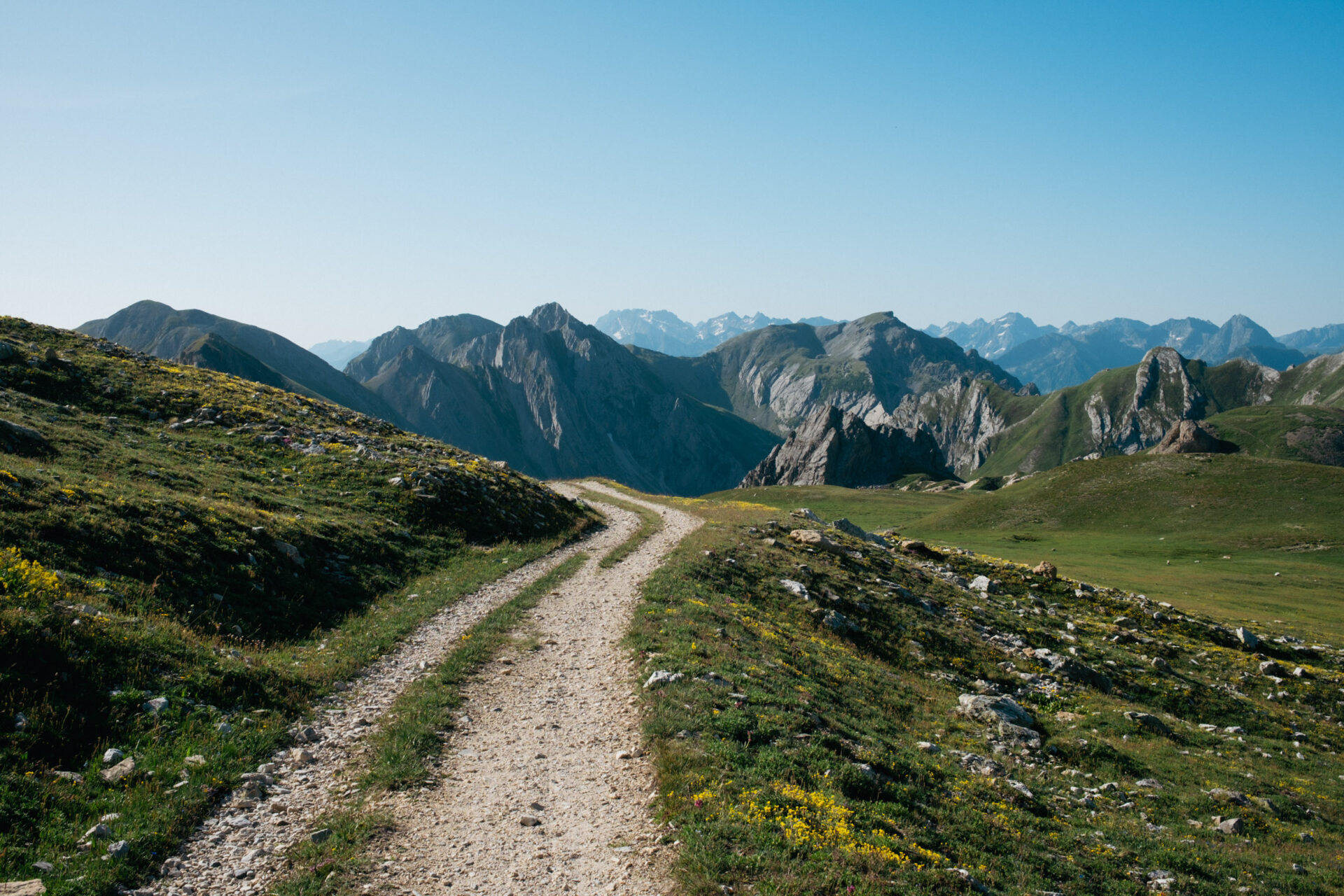
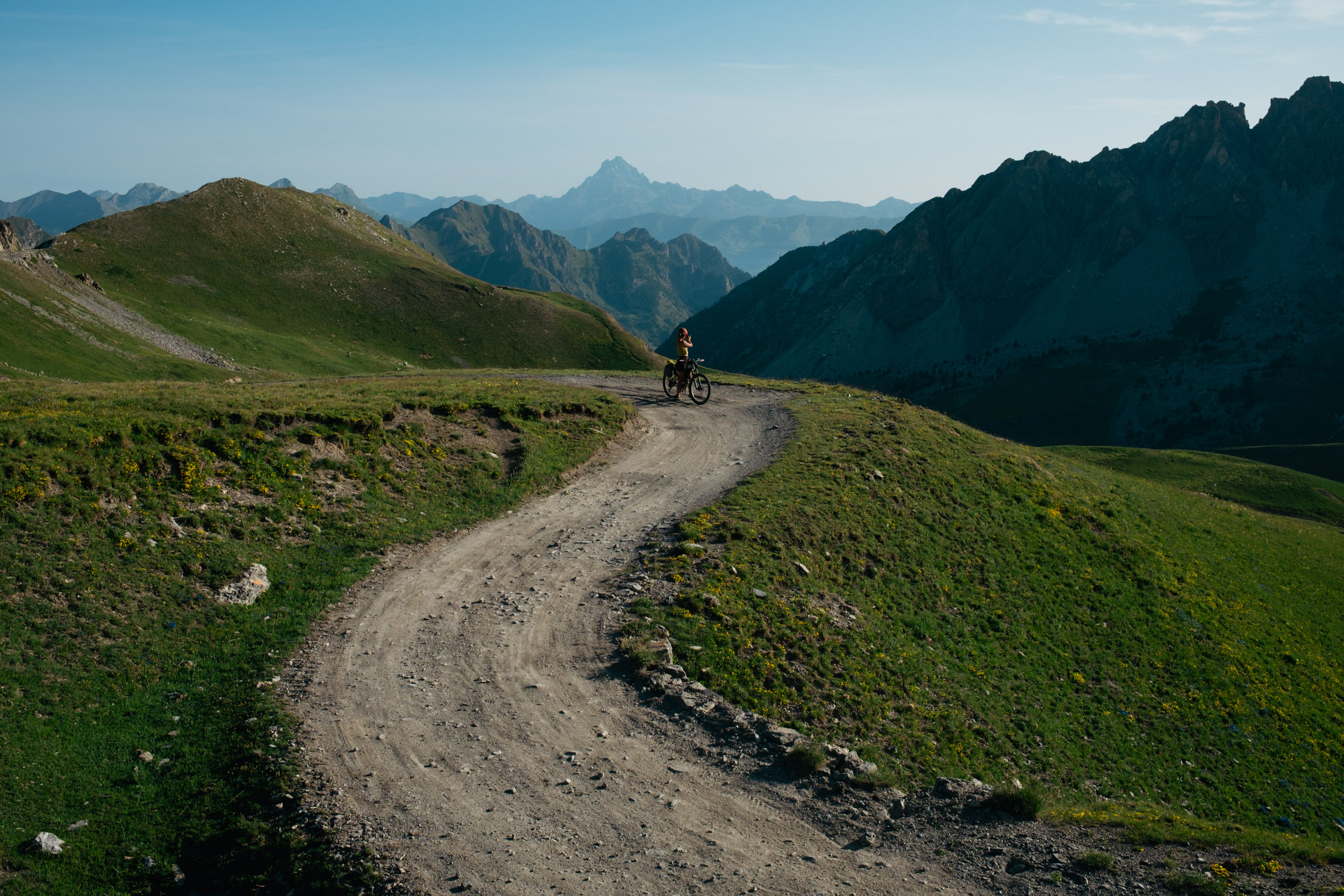
I can imagine a world where I’m happy riding back and forth across the Franco-Italian Alps, taking photos of wild flowers and drinking espressos.
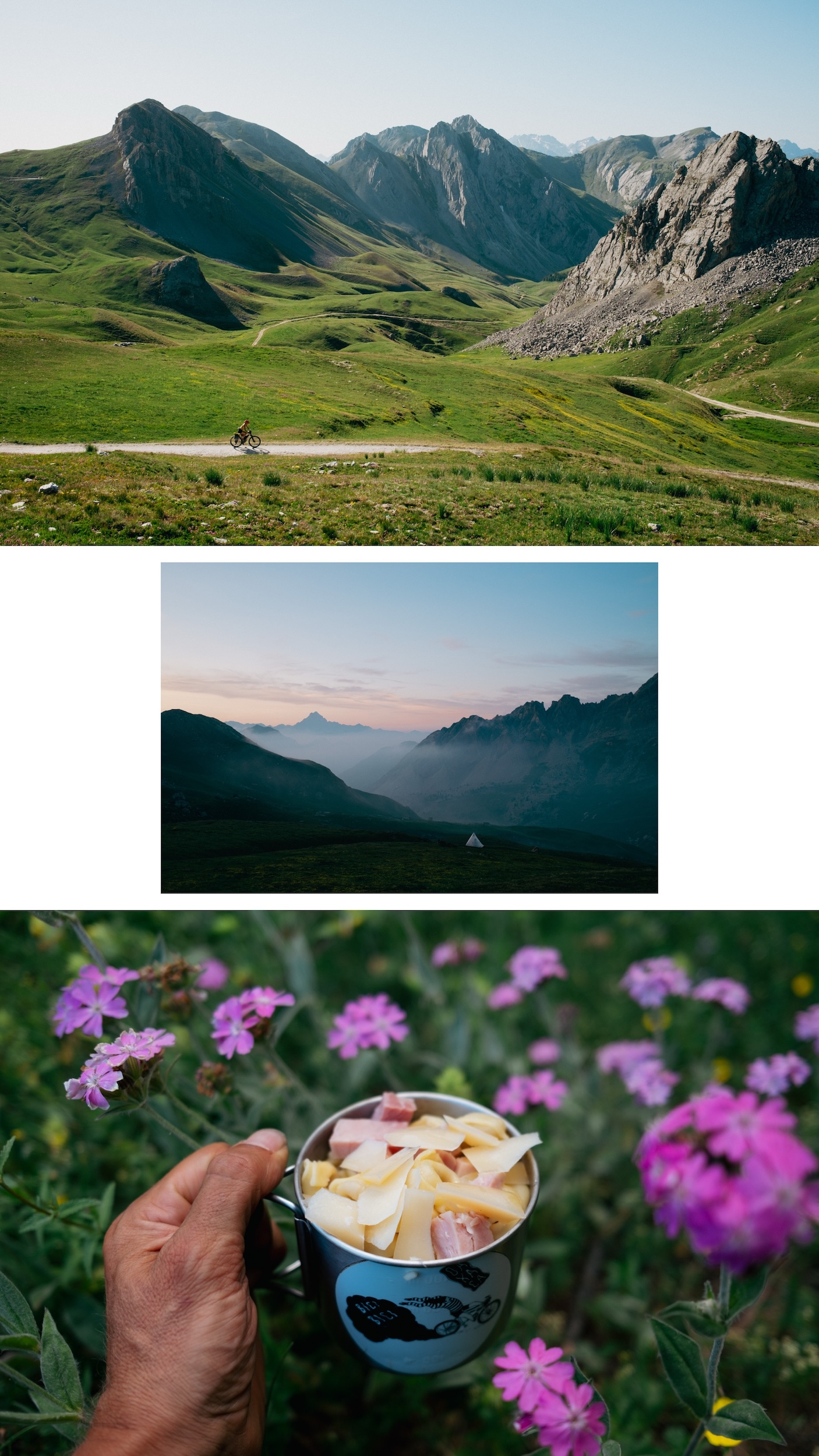
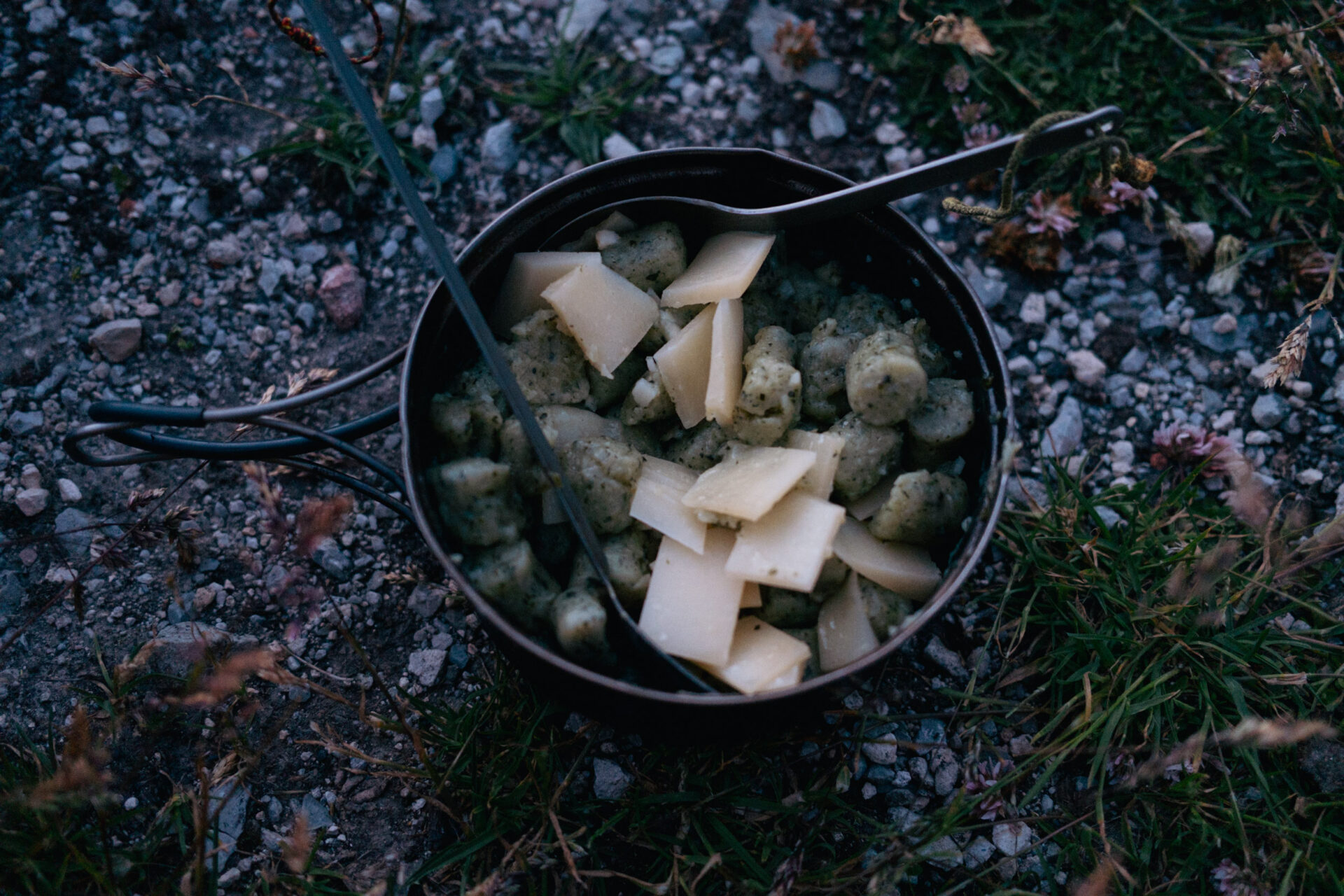
Fresh pasta and the biggest shards of parmesan that we can cram into our cups.
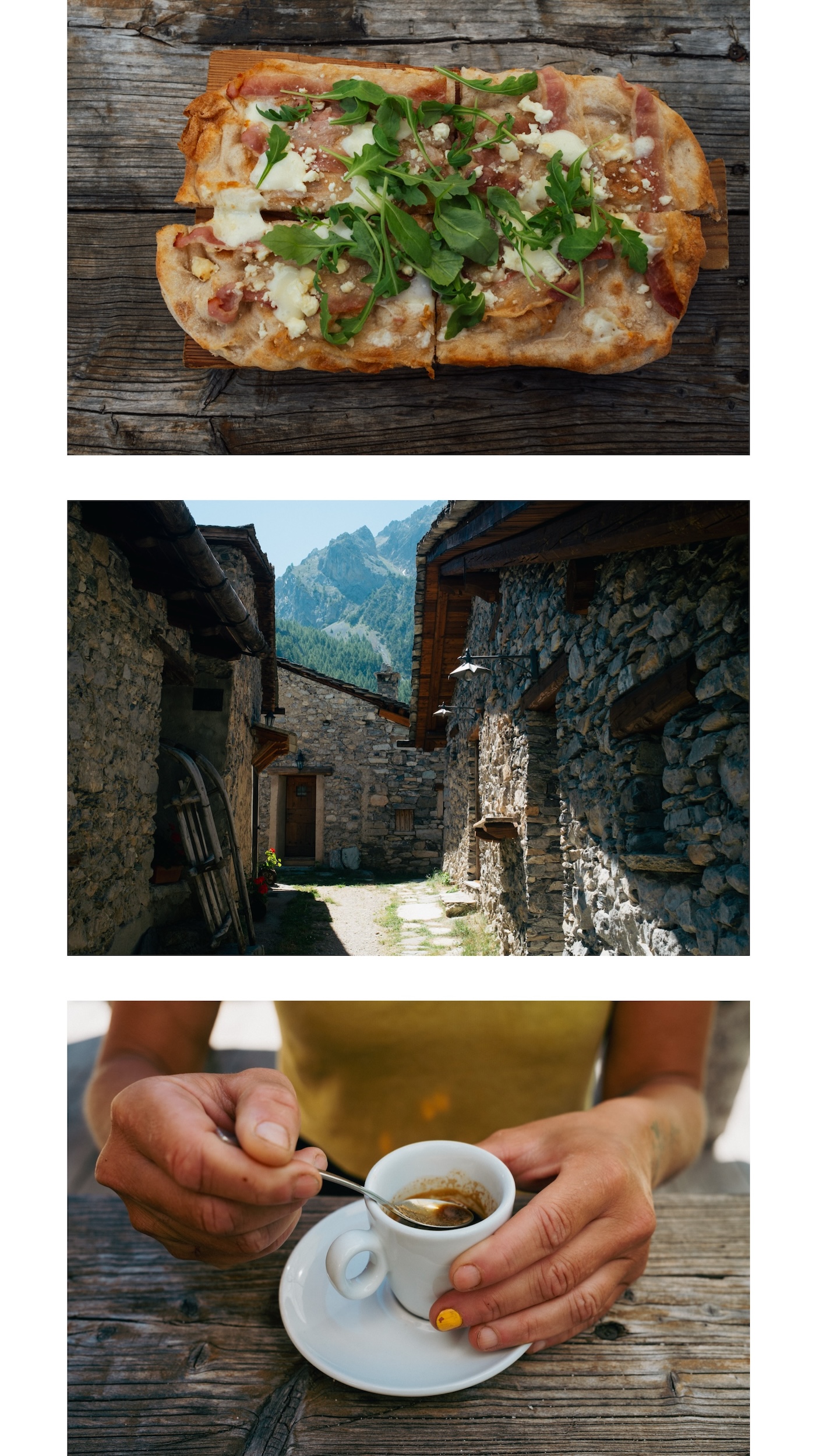
Did I mention how much we love Refugio Life? Or espressos? Or pizzas?
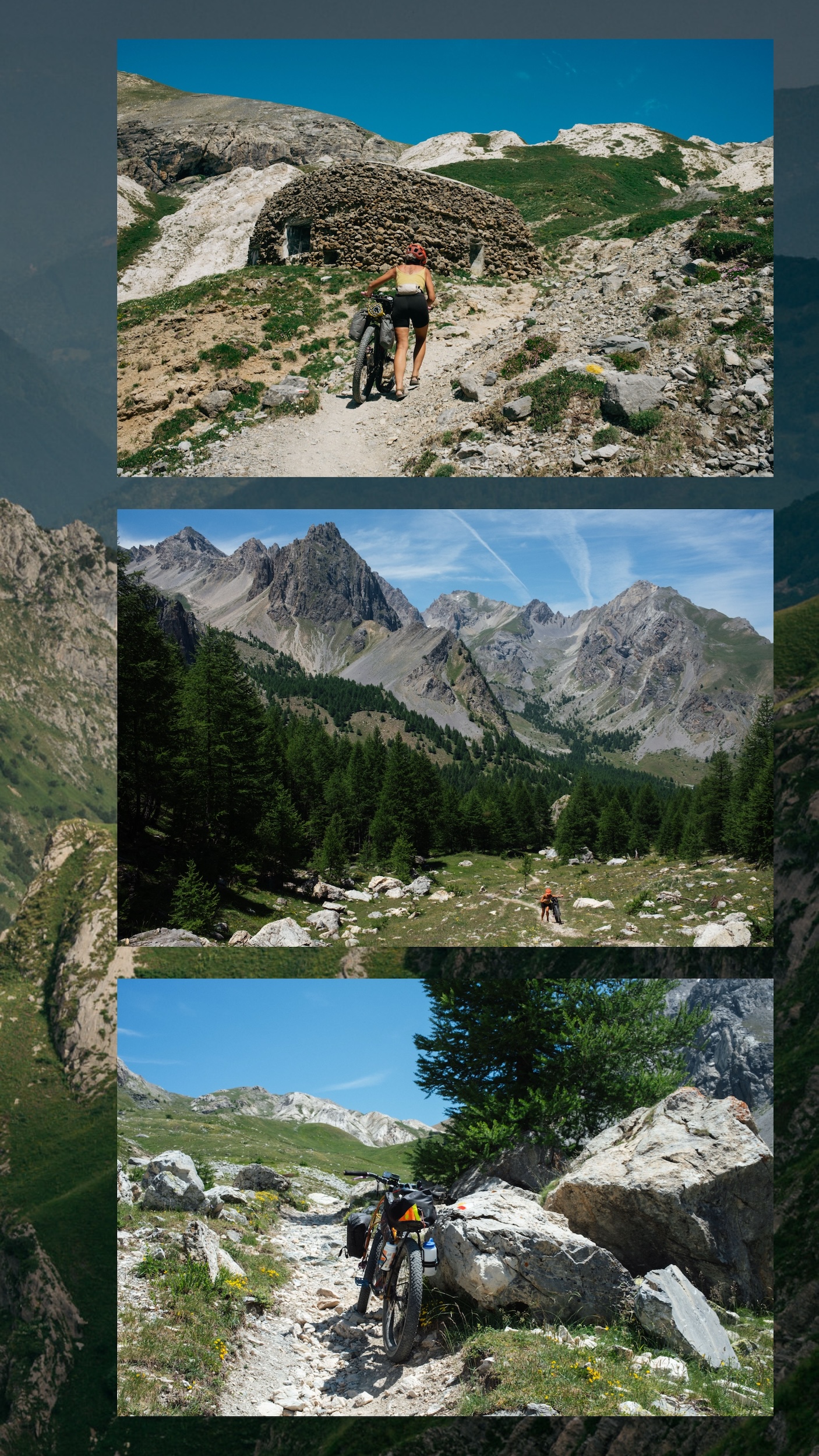
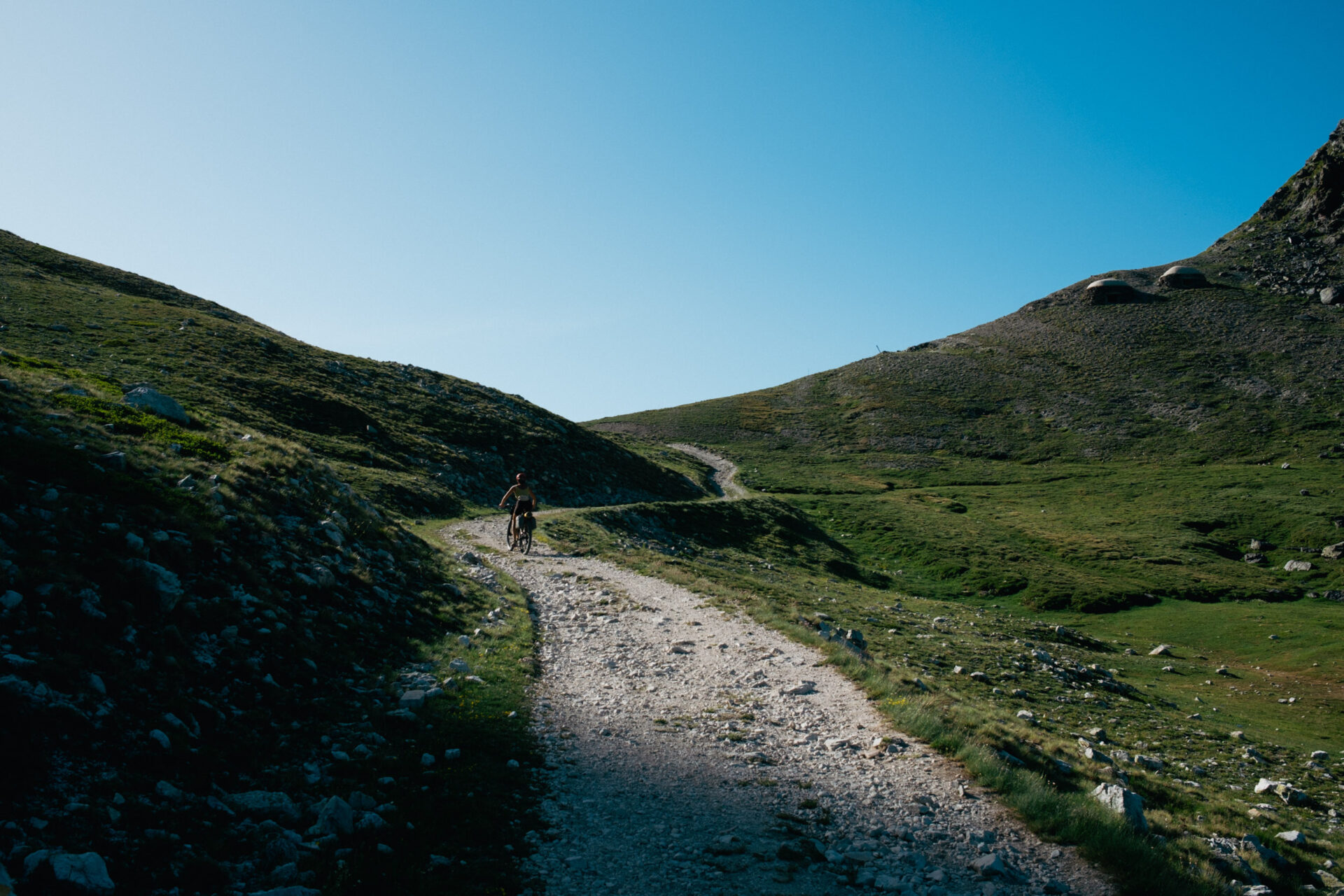
Depending on your chosen route, expect to channel your inner Rough-Stuff Fellowship and take your bike for a walk, as we experienced on the testing Col Valcavera crossing.
Formed in 1955, the European exploits of the Rough-Stuff Fellowship is in part the inspiration for the Torino Nice Rally. Its members took great delight in piloting their bikes to improbable places.
Isola’s Bunker Research and Rough-Stuff Fellowship Archive are two great photographic tomes to dig into, too.
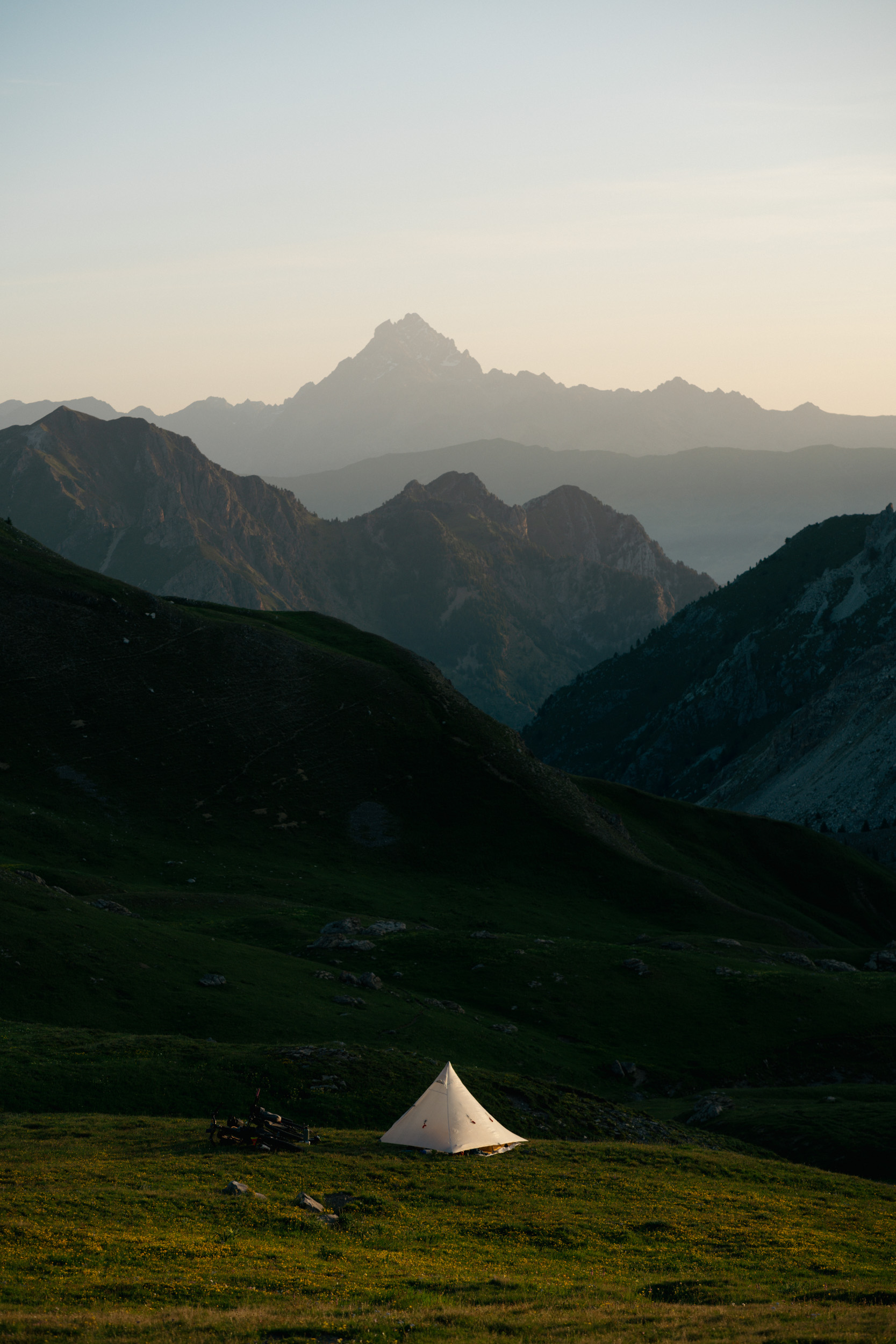
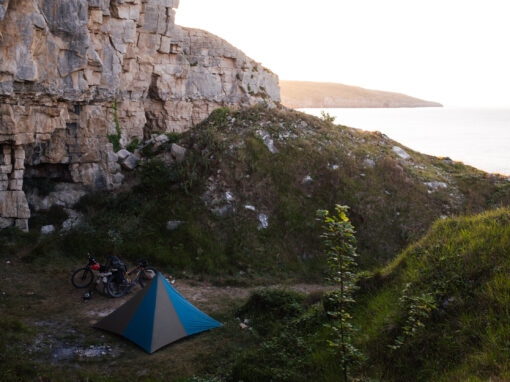
We’re hardly weight weenies but we did share our tiny Hyperlite Mid 1 to shave some grams…
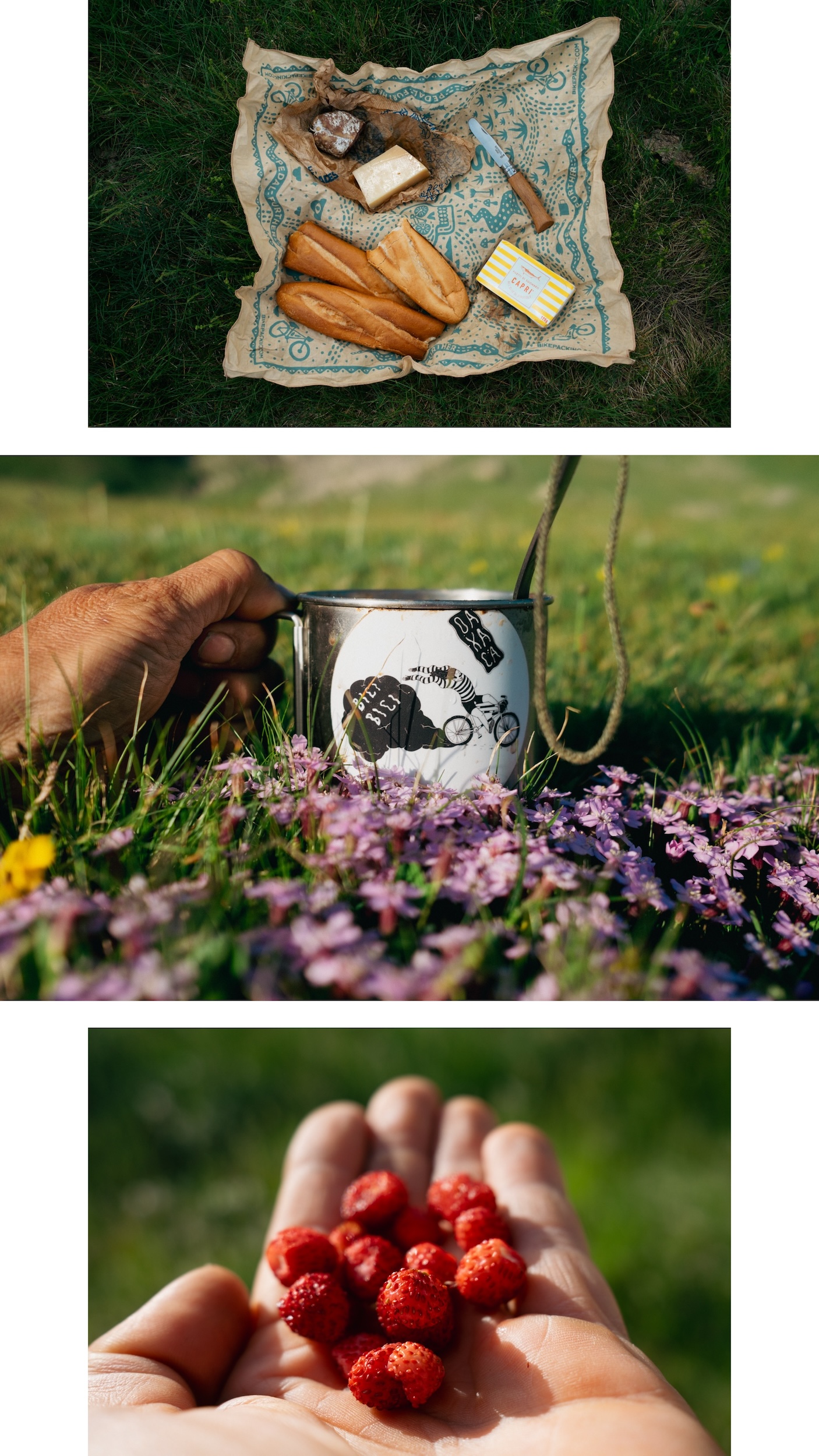
Which of course, we redirected towards our allowance for coffee and parmesan, to which we supplemented wild strawberries we foraged for at camp or by the roadsides.
Our Bikes
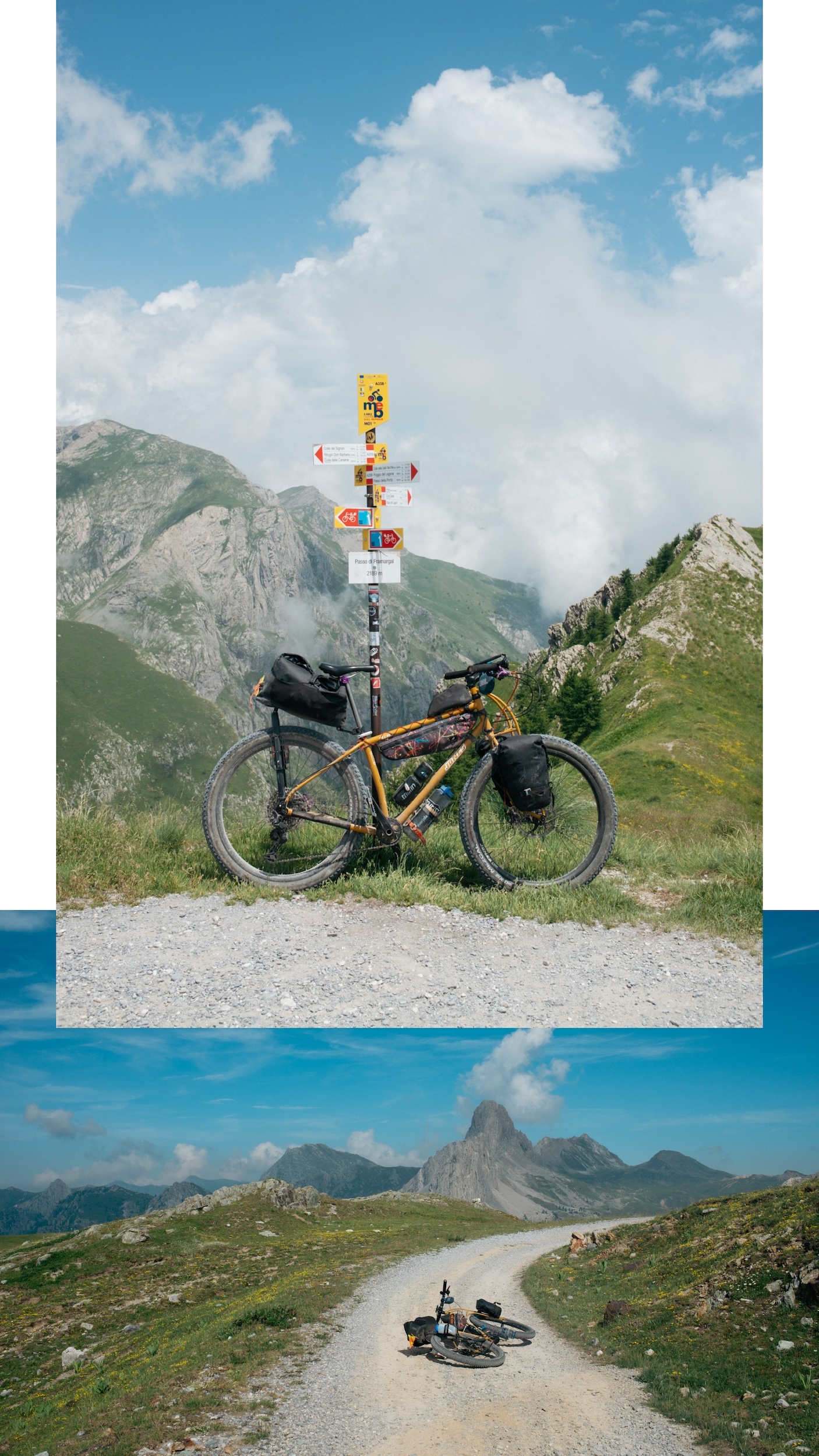
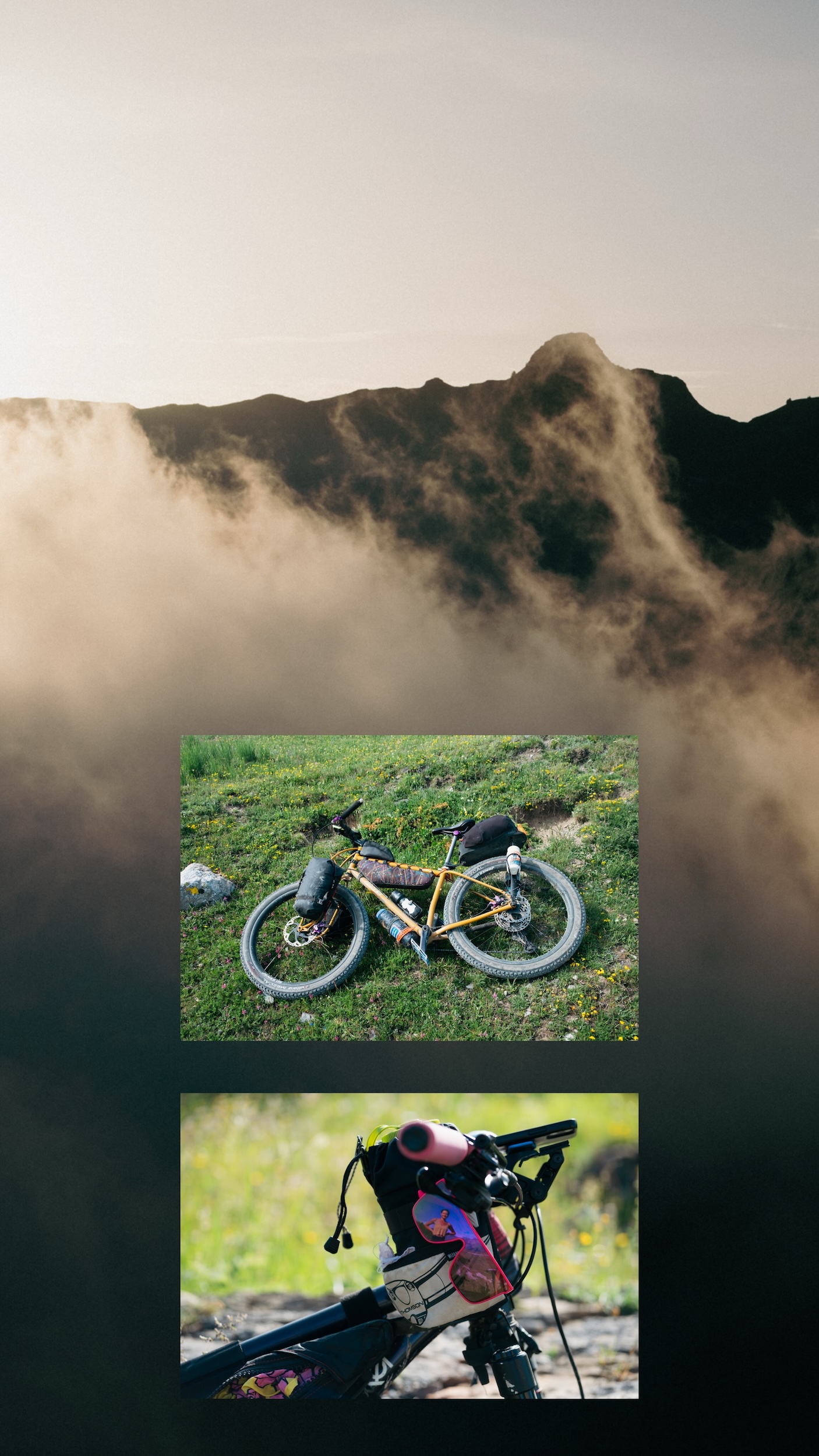
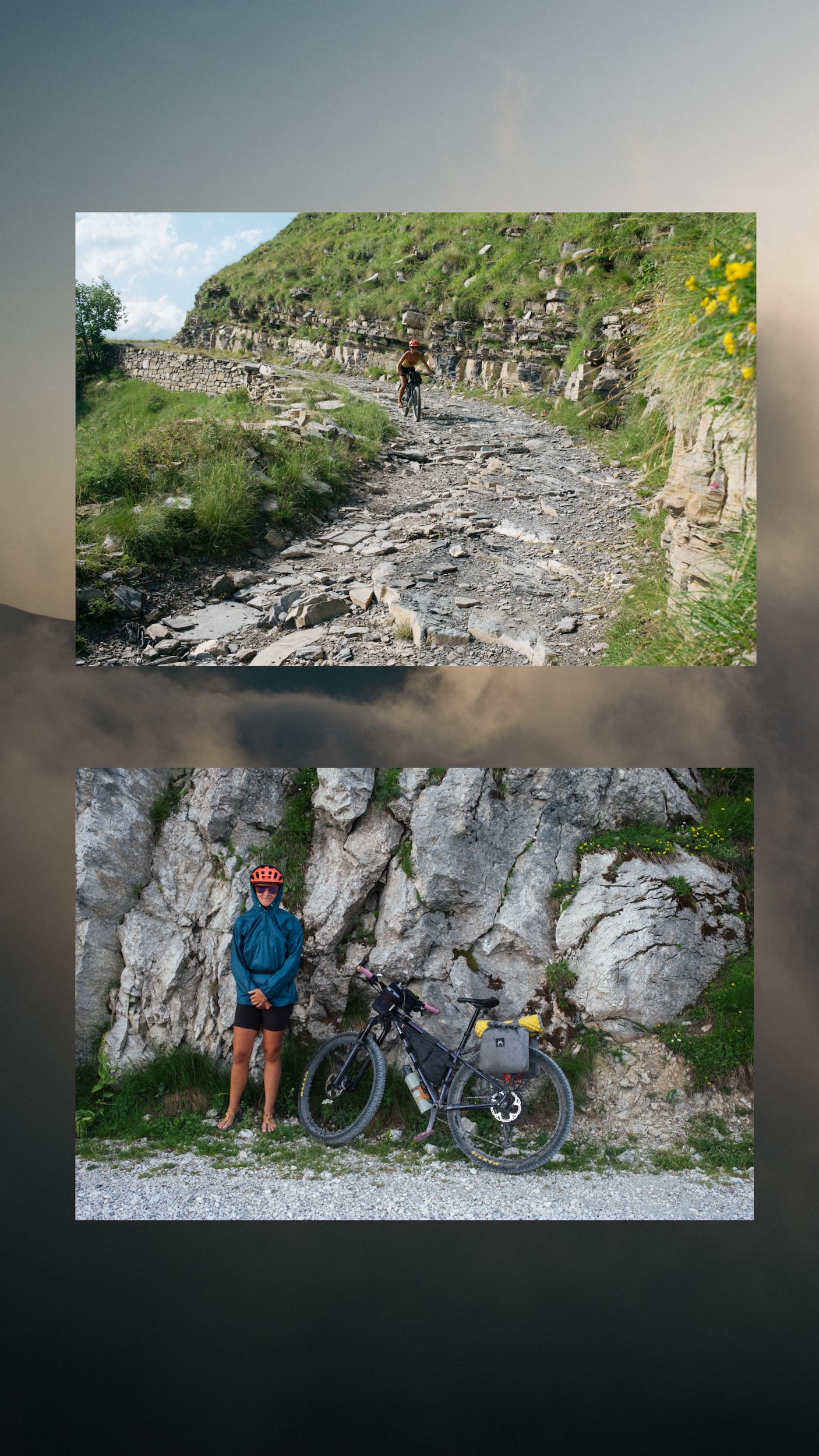
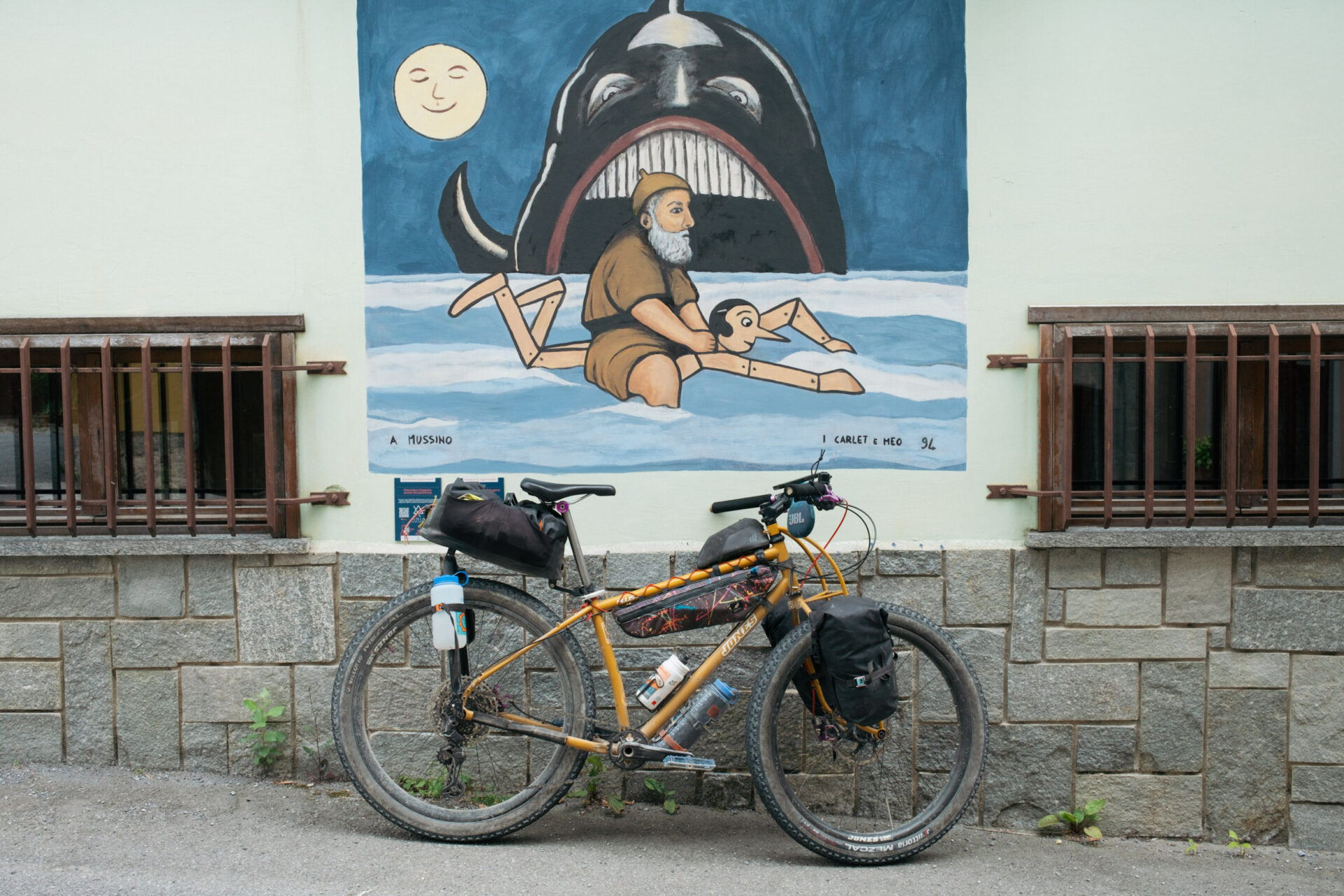
Many choose to ride the TNR on gravel bikes, which makes some sense, given the paved to unpaved ratio of the overall route. But whilst they’d certainly be faster at times, we were happy to be aboard mountain bikes, as they encouraged us to seek out the trails less travelled, and work all the optional hike-a-bikes into our route too.
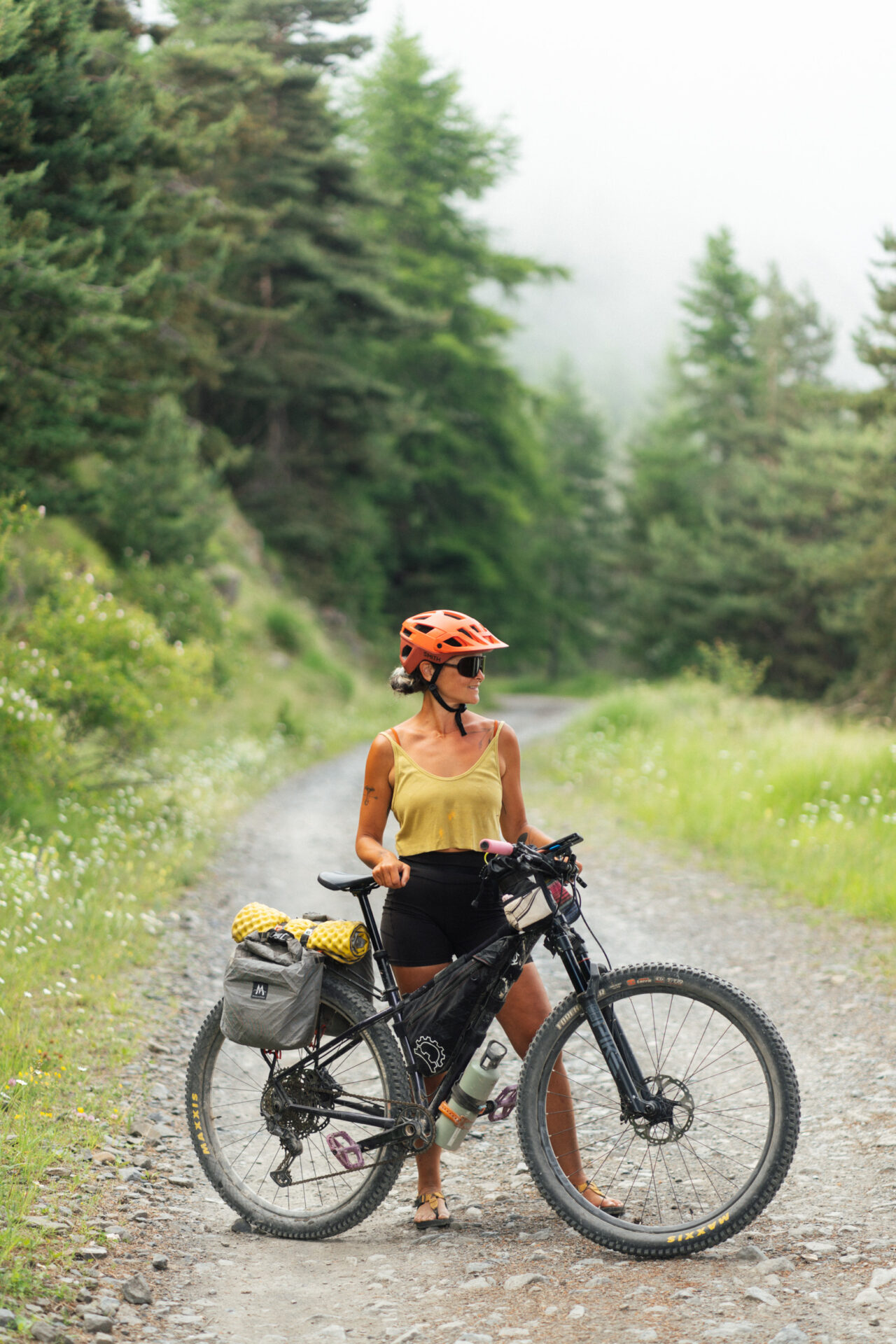
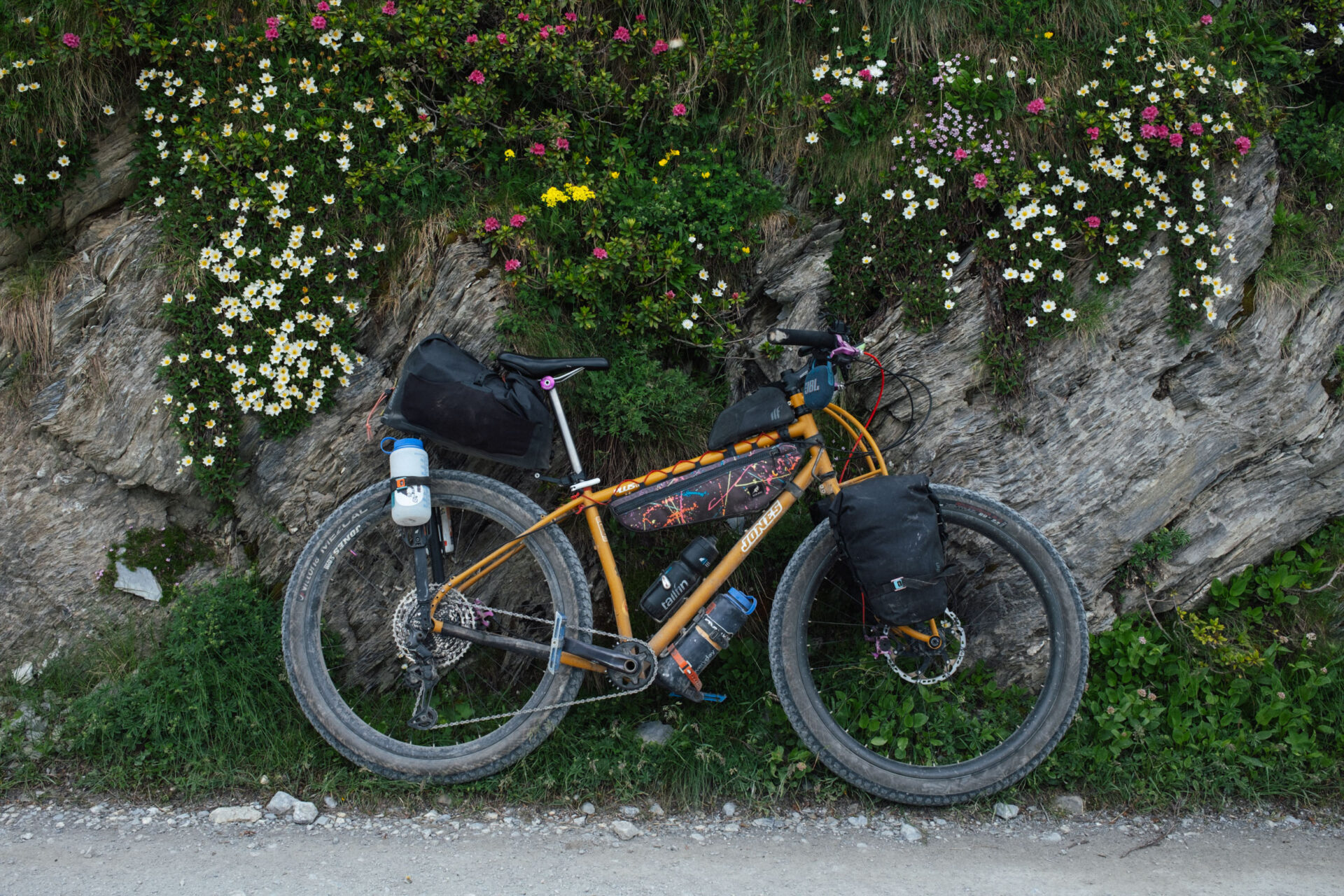
I pressed my beloved Jones LWB back into service, shod with 29 x 2.6in Vittoria Mezcal tyres – the same bike I rode for Part 1 of the TNR last year – and Emma brought along her Esker Japhy from the US, running the Maxxis knobblies that came with the bike. I ran my usual Tailfin setup and we set up her steed with lean and light rear panniers – the feathery Mountain Laurel Designs Pocos and a chromoly Tumbleweed Mini Pannier Rack – as we knew the Japhy would be more bike than is perhaps ideal for the route.
In the event – and given that we zoned in on the rougher sections of the TNR – Emma thoroughly enjoyed having suspension and tolerated the downsides of riding a relatively slack mountain bike on smooth Italian roads.
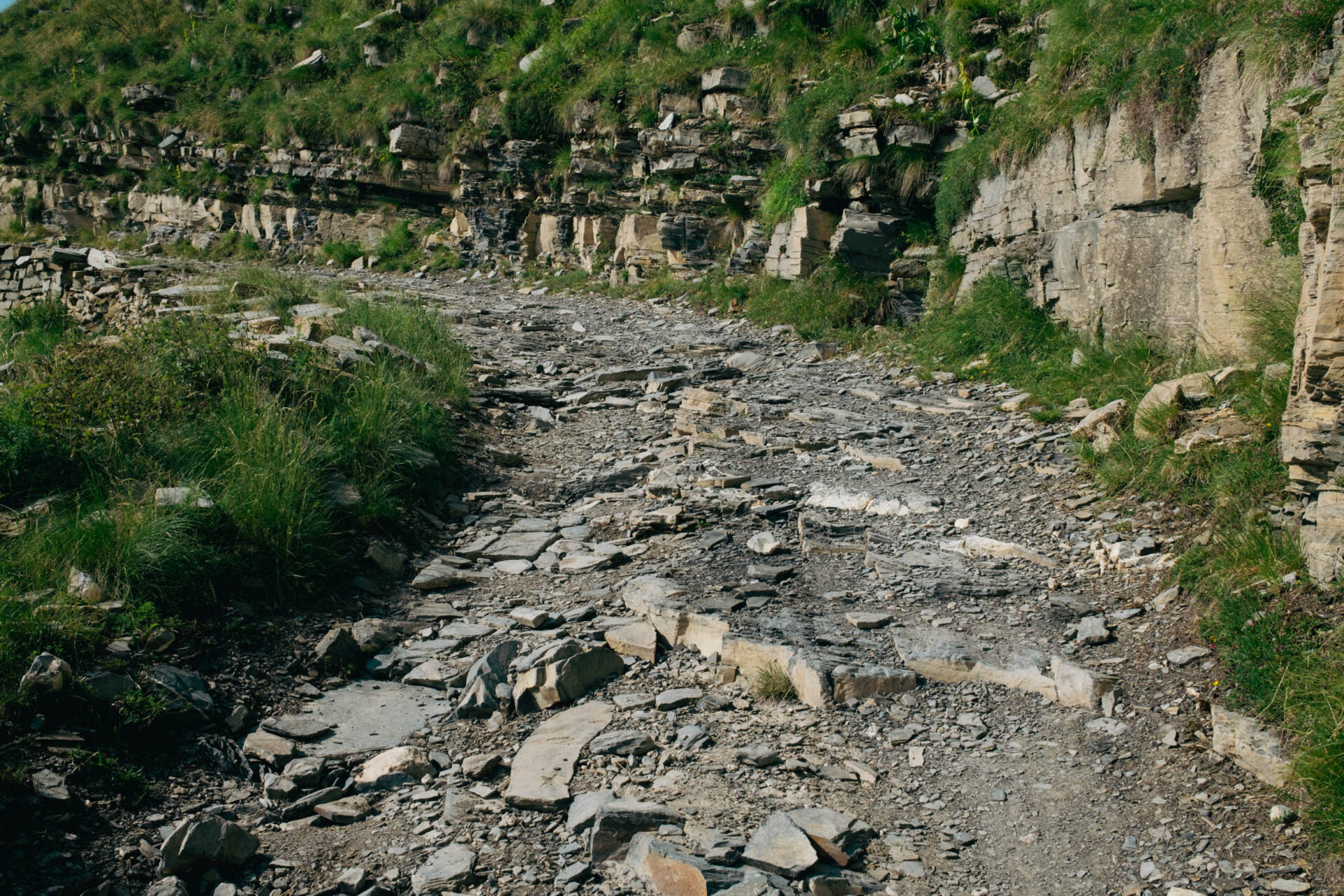
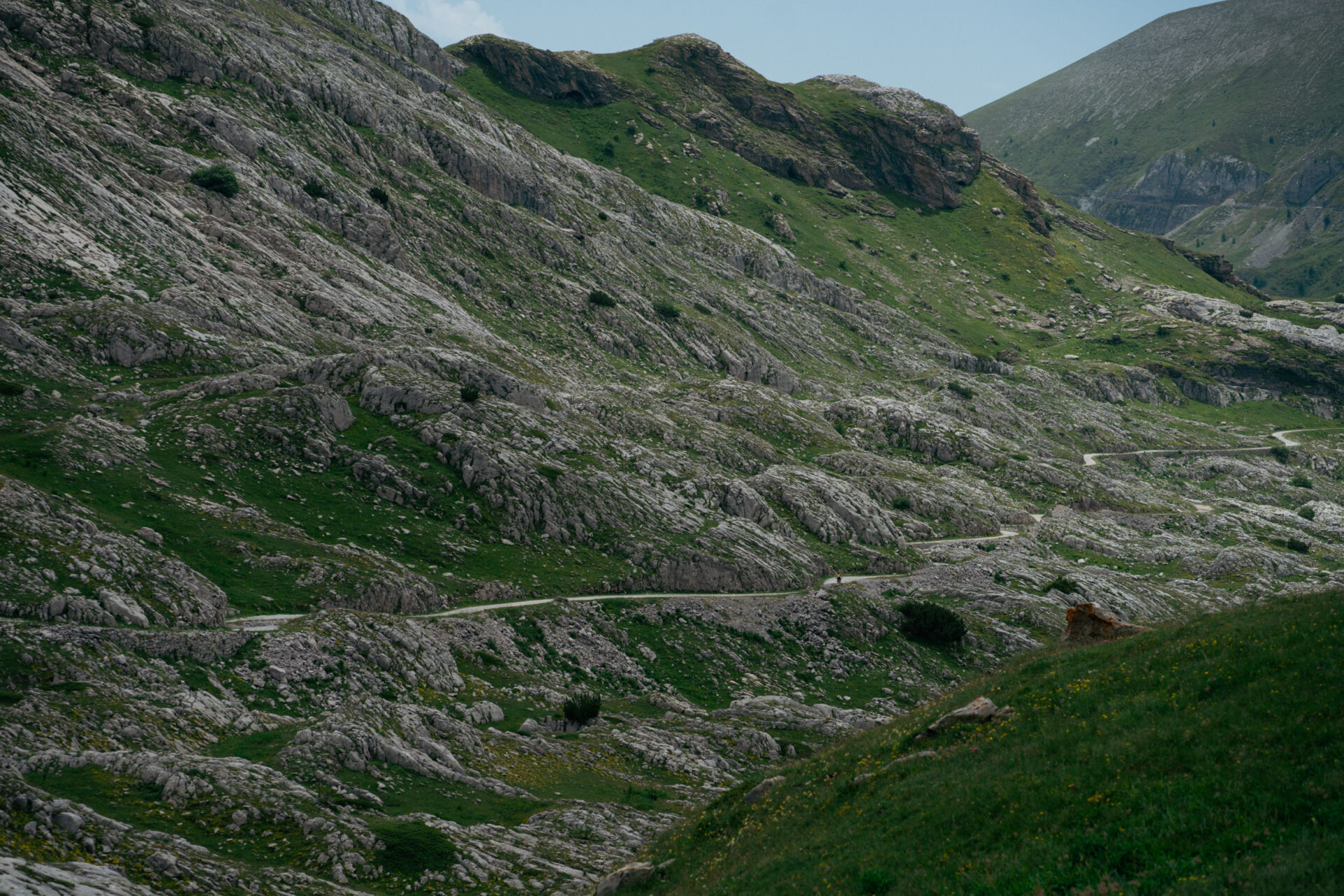
What bike would be ideal, though? I think a rigid ATB is optimal. Initially, I was sure 2.6in tyres would be overkill, but my setup worked surprisingly well and I was always comfortable, even on the more challenging, modified sections I incorporated in Part 1. On reflection, I think a 2.4in tyre would be a good sweet spot, being light enough not to feel too tedious on asphalt, but still very capable off road. For the most part, there’s nothing that really really demands a bigger tyre or even suspension, though we were surprised by the condition of the road descending off Mont Tanarel – there’s some serious chunk!
Getting granular, I think a tyre like the Vittoria Mezcal is perfect for those who intend to ride every one of the TNR’s segments, though if I planning to get extra creative and weave in additional alpine singletrack, I’d be tempted to run something with a little more bite up front. A Vittoria Barzo, maybe?
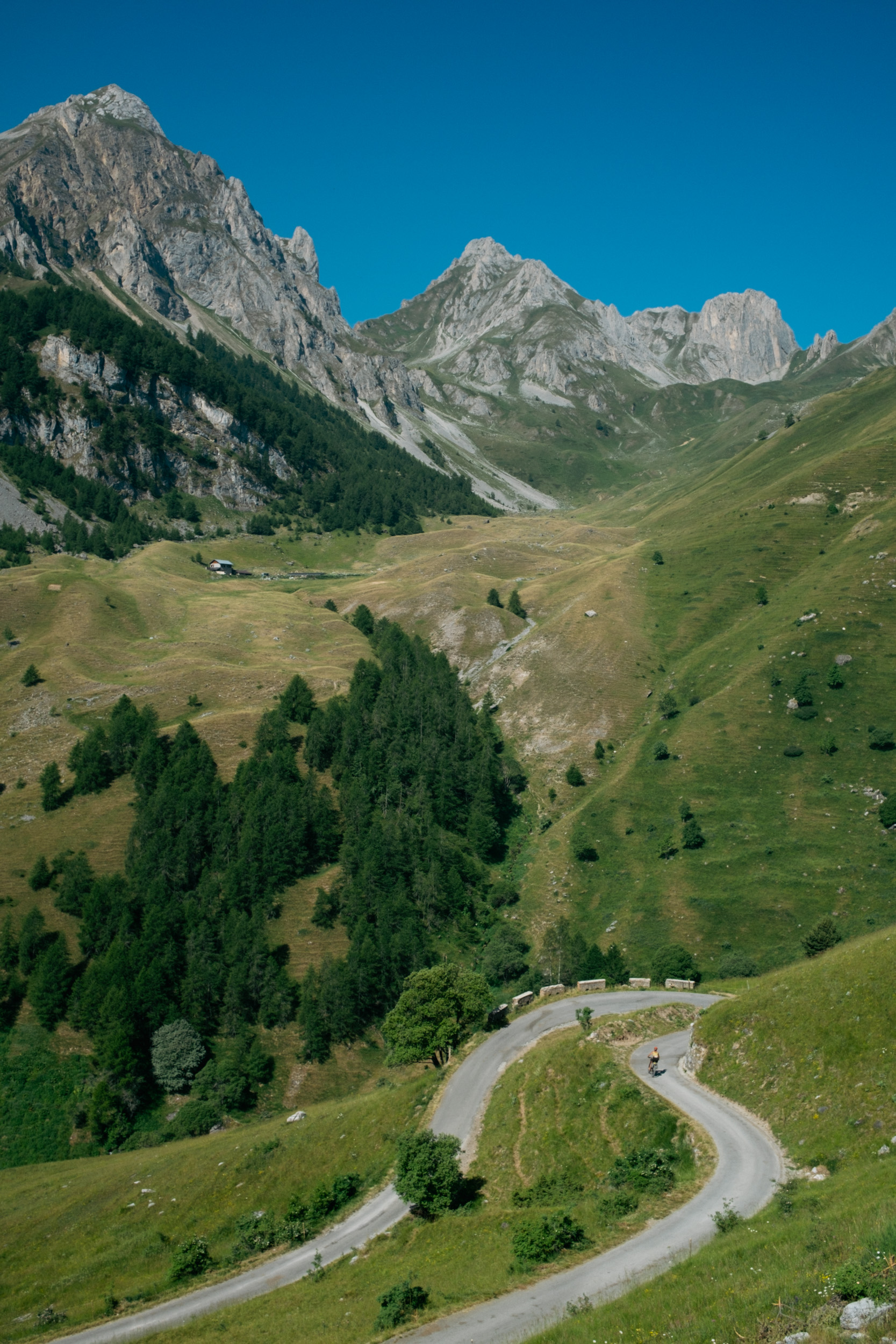
More Pics in No Particular Order
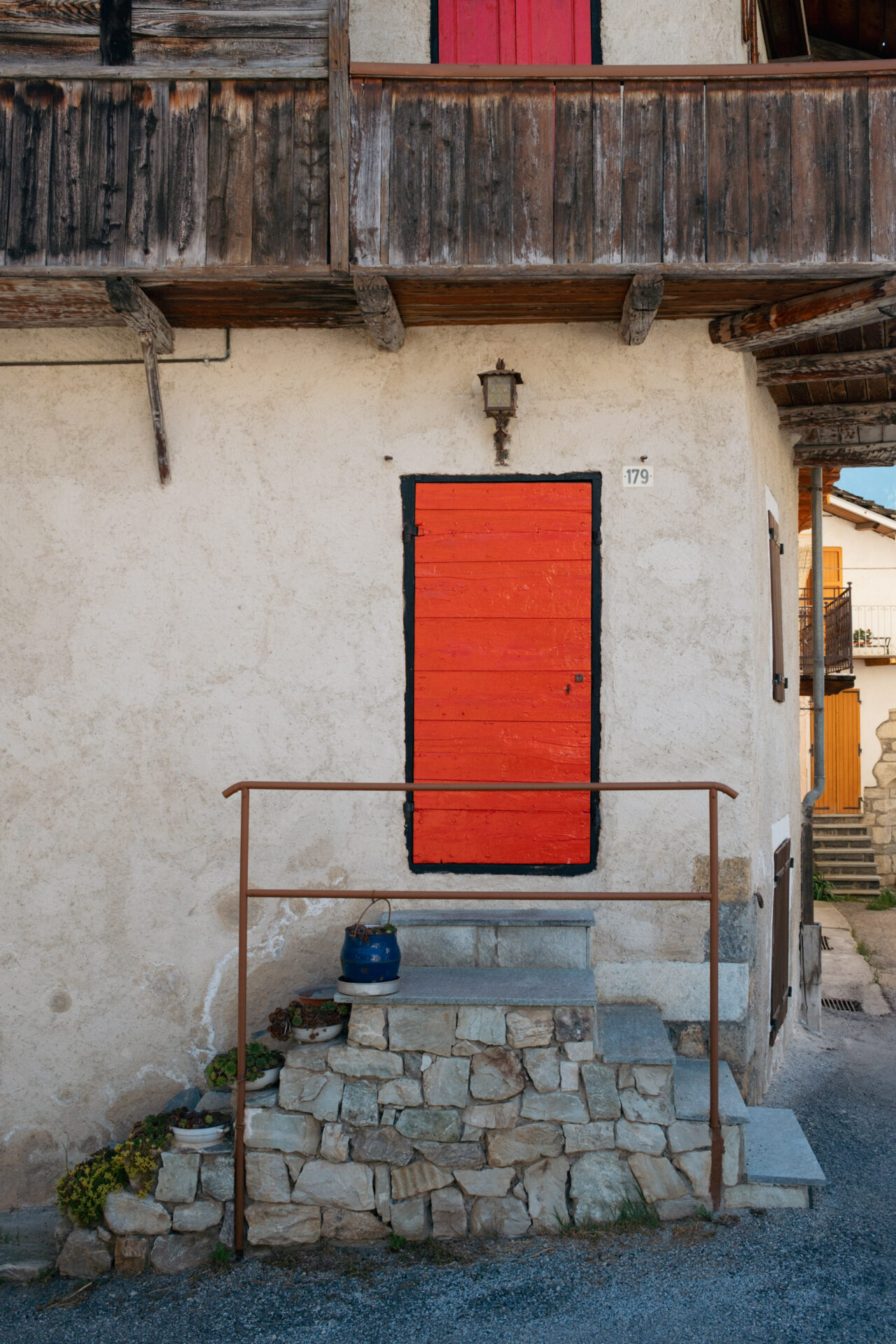
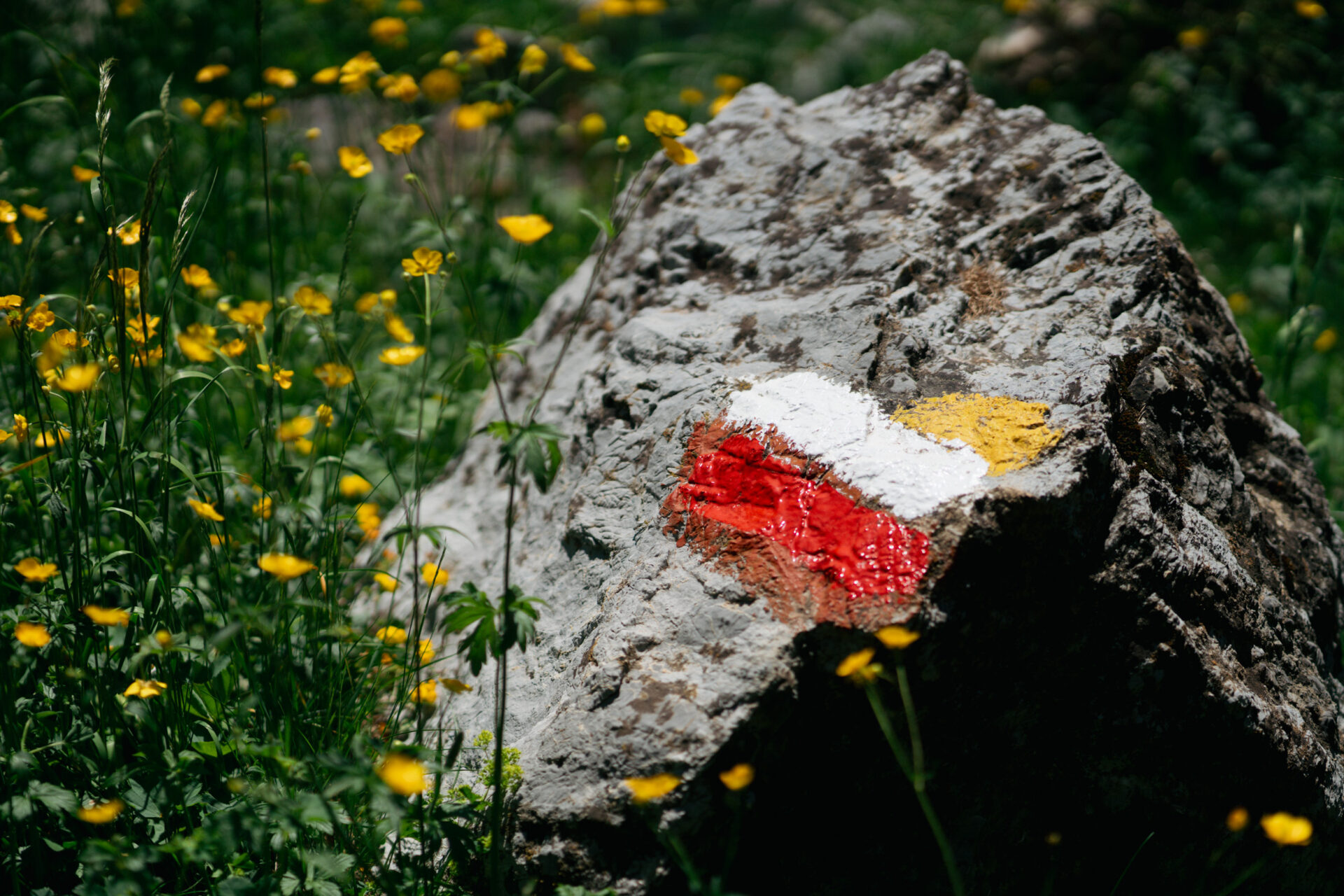
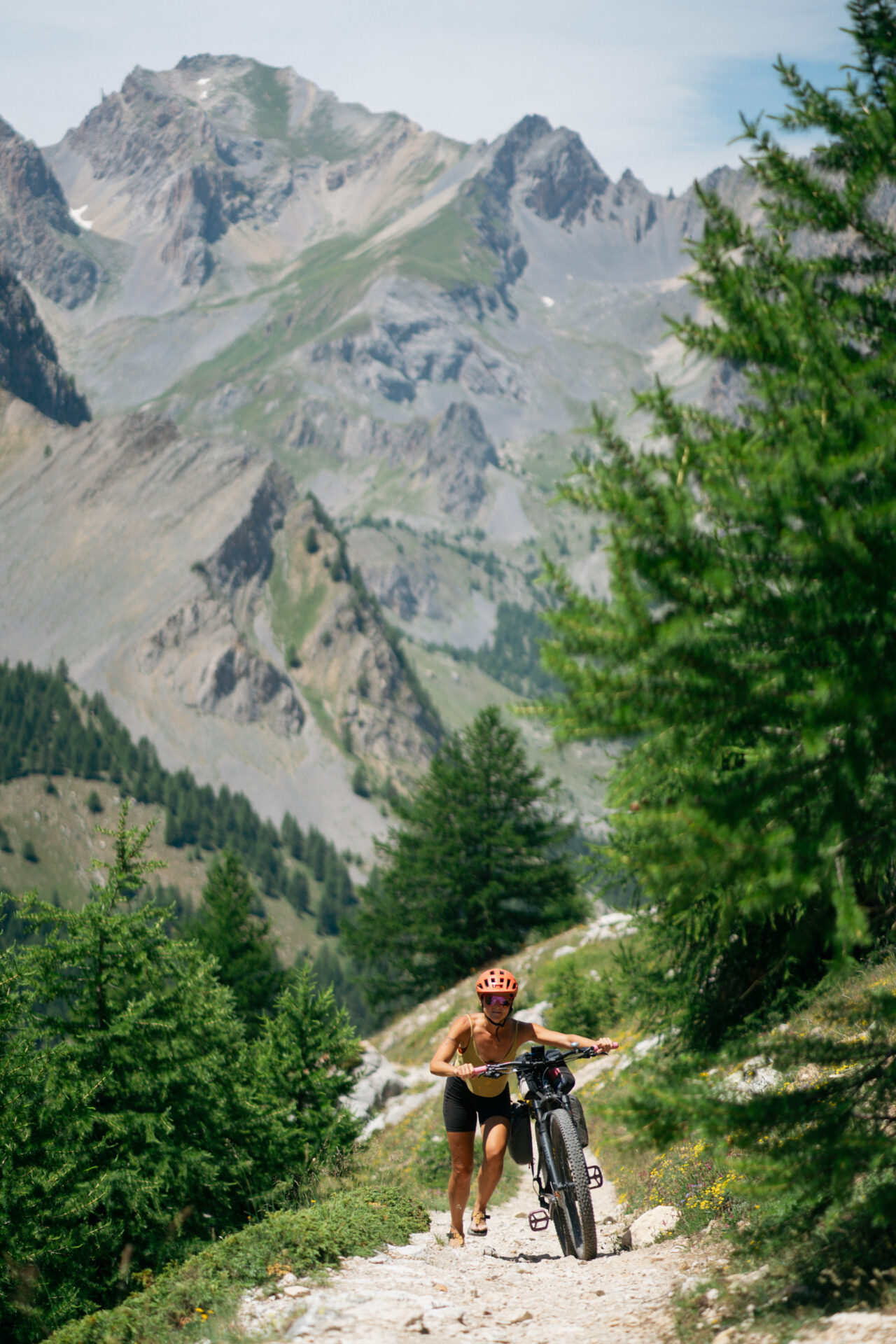
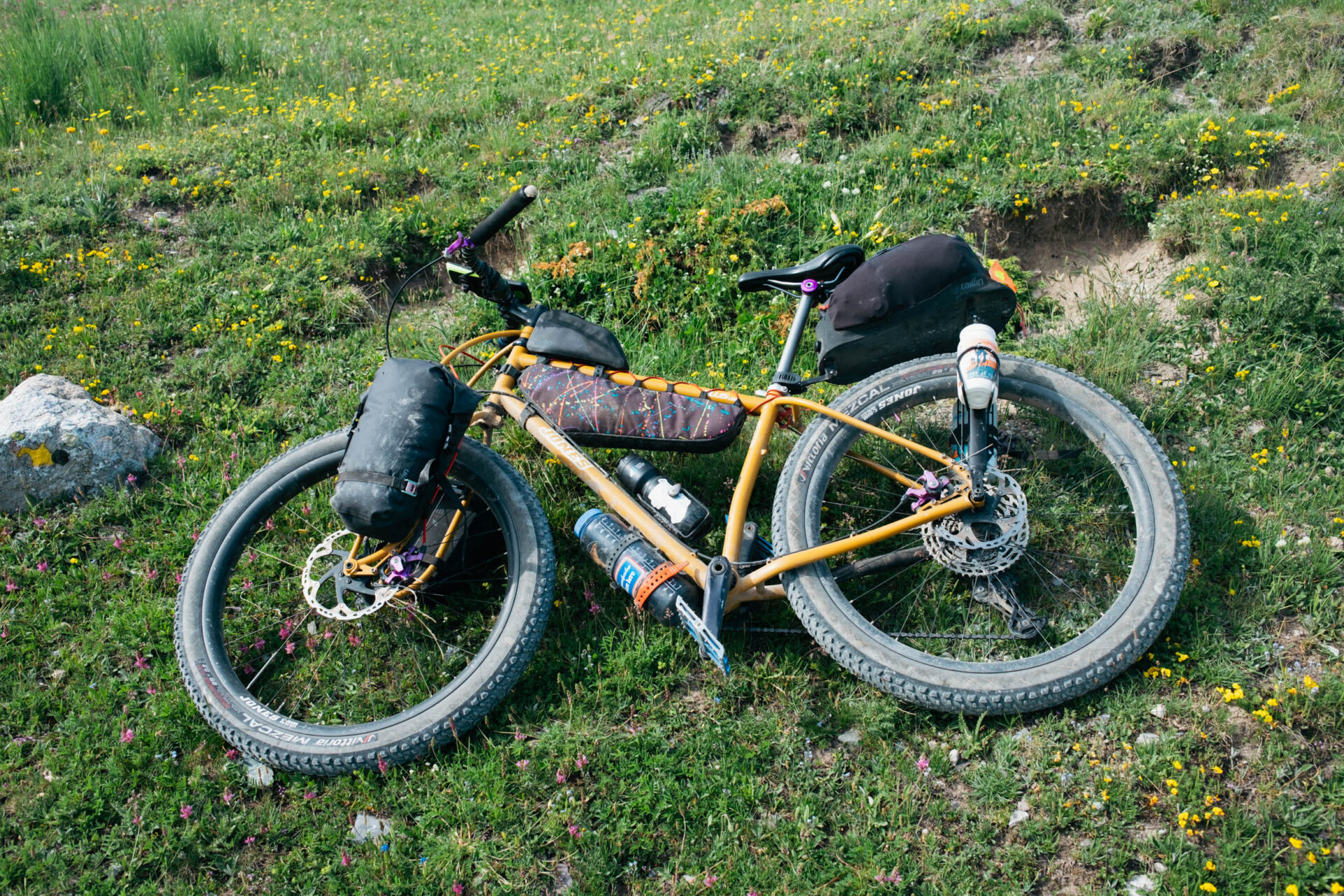
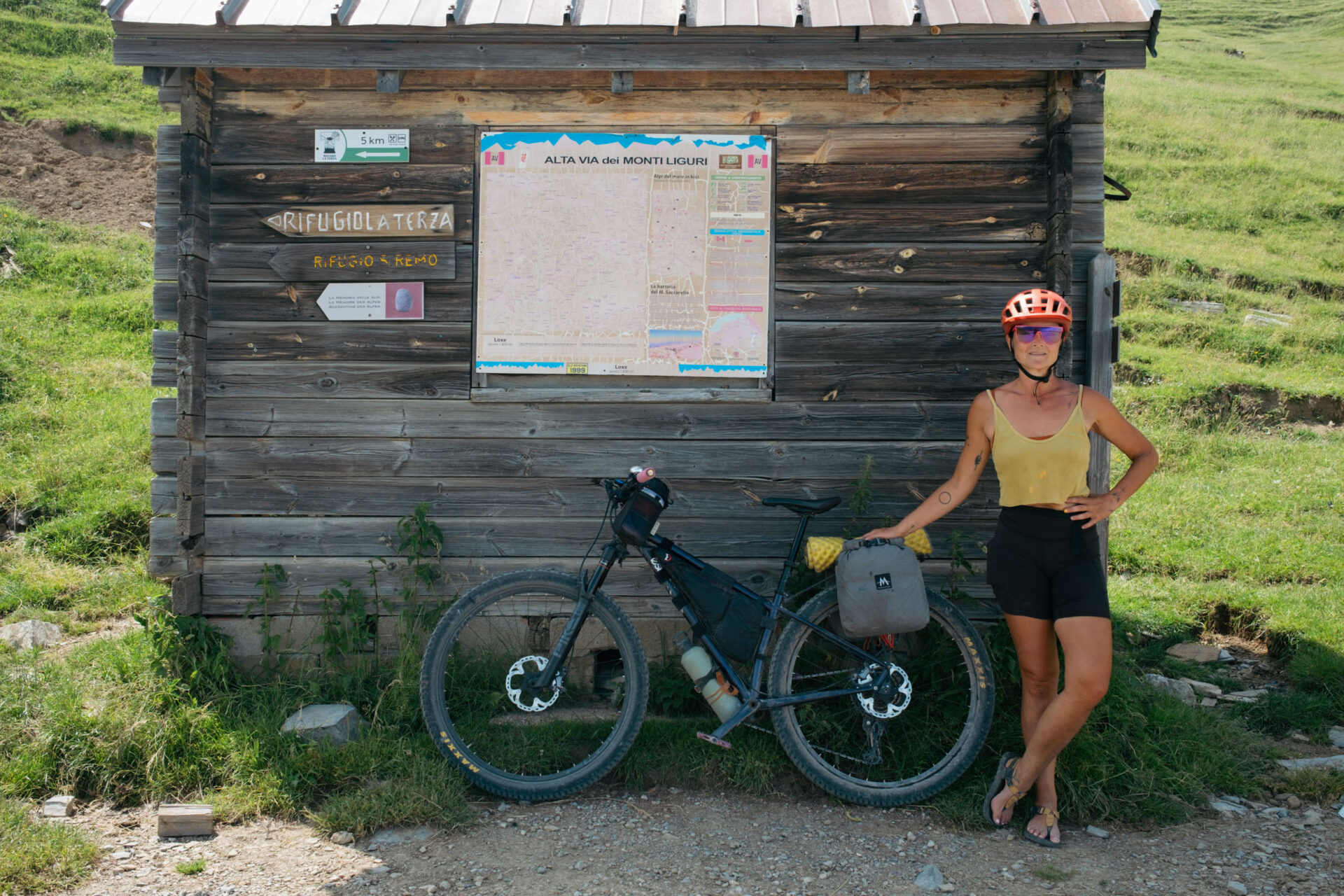
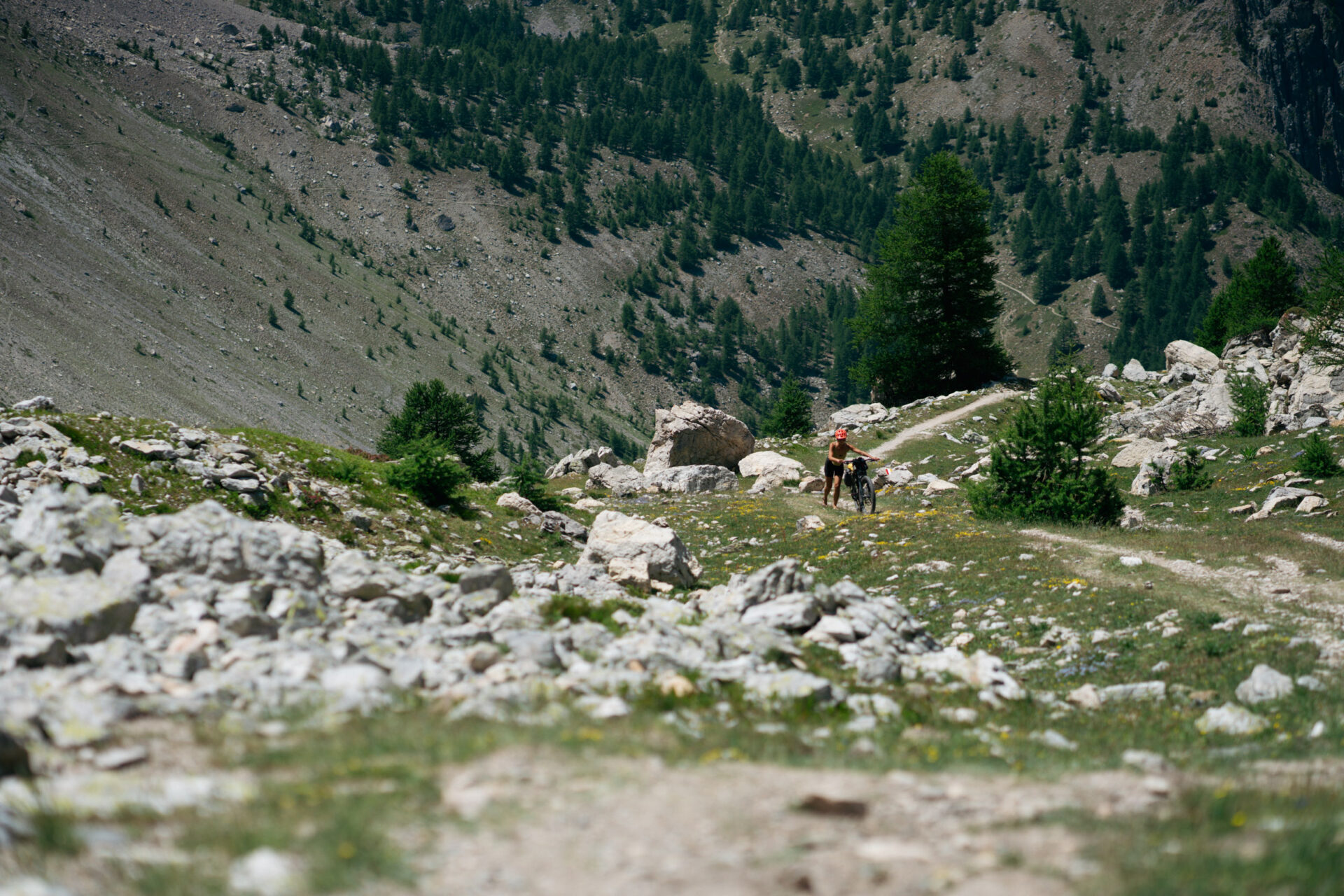
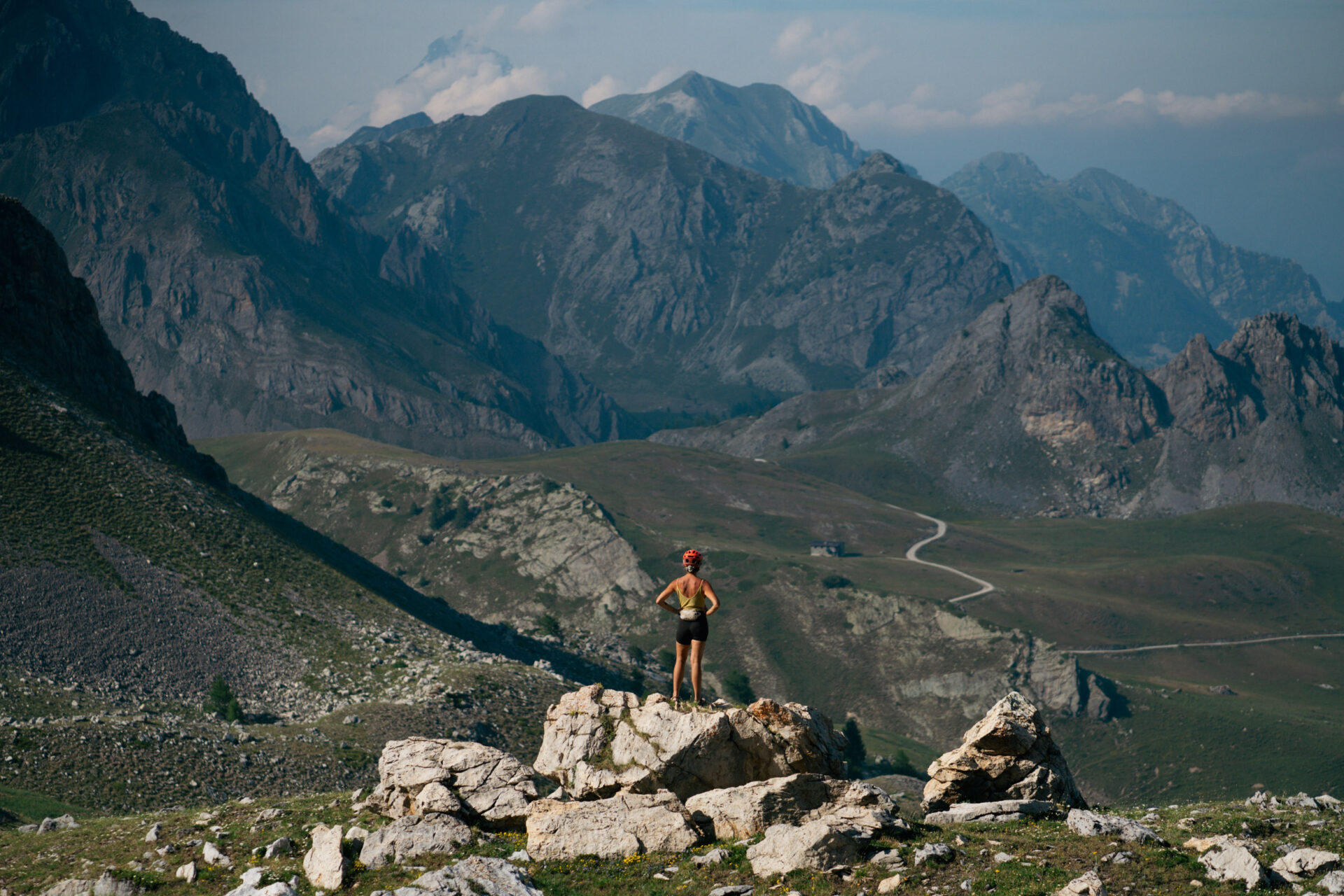
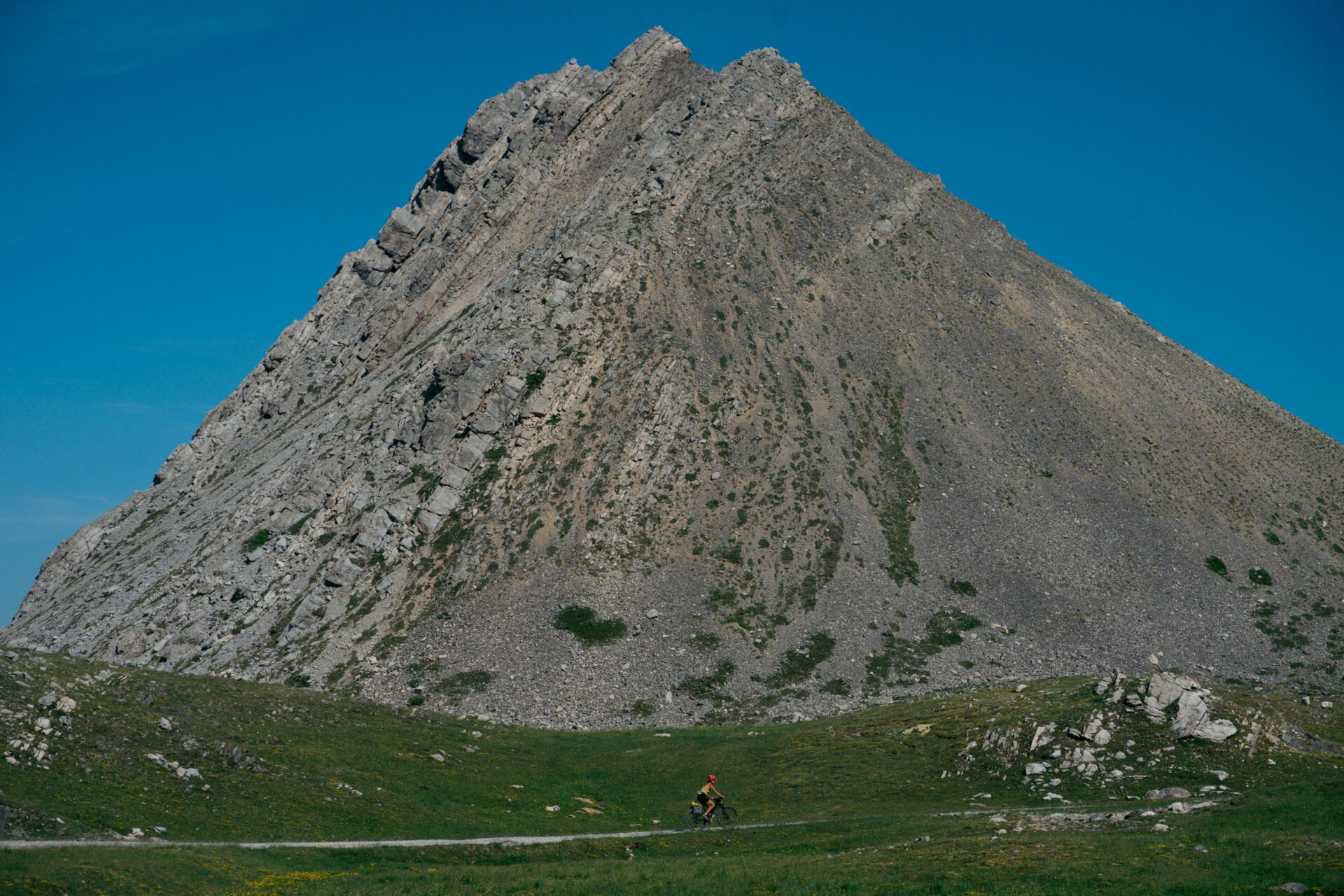
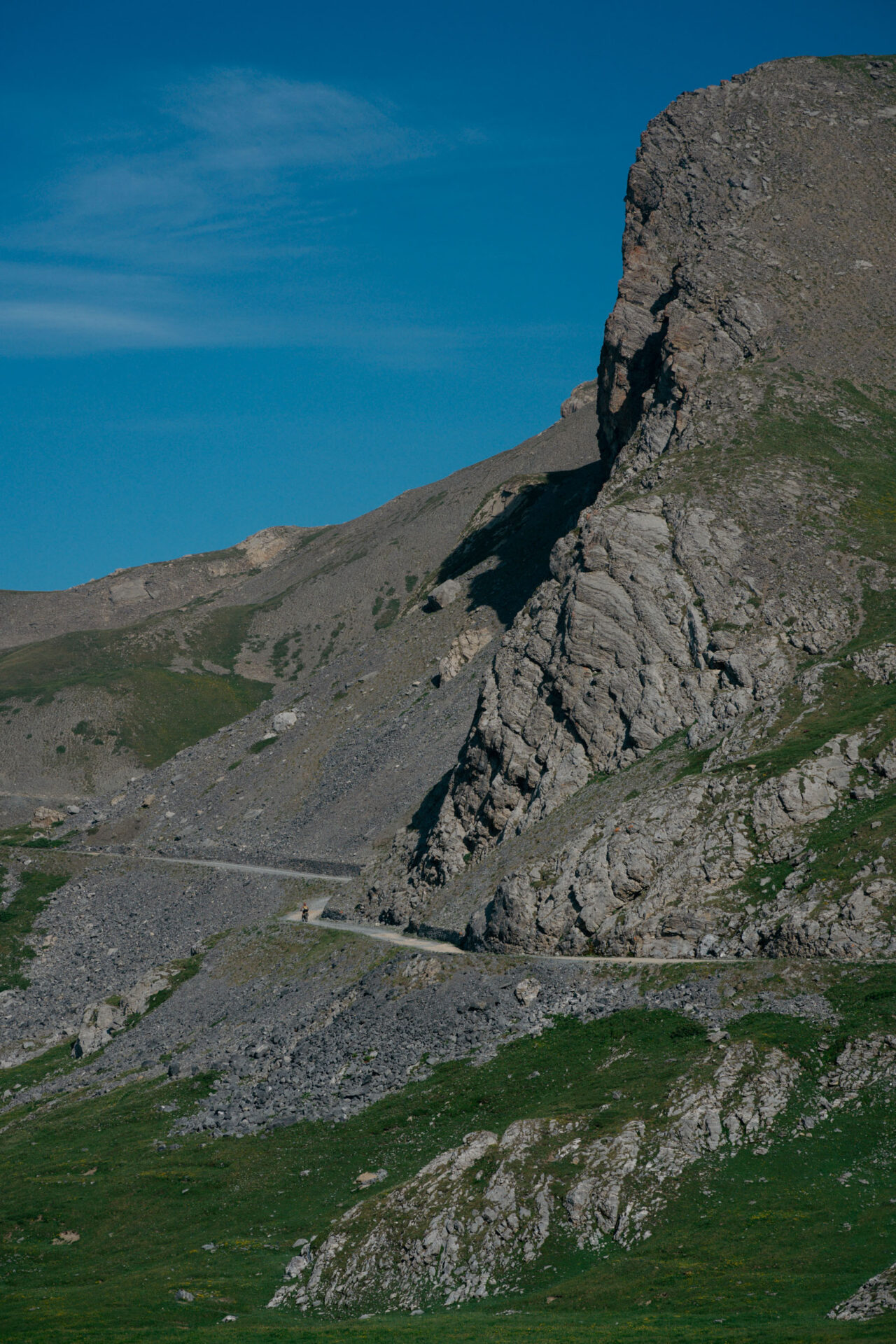
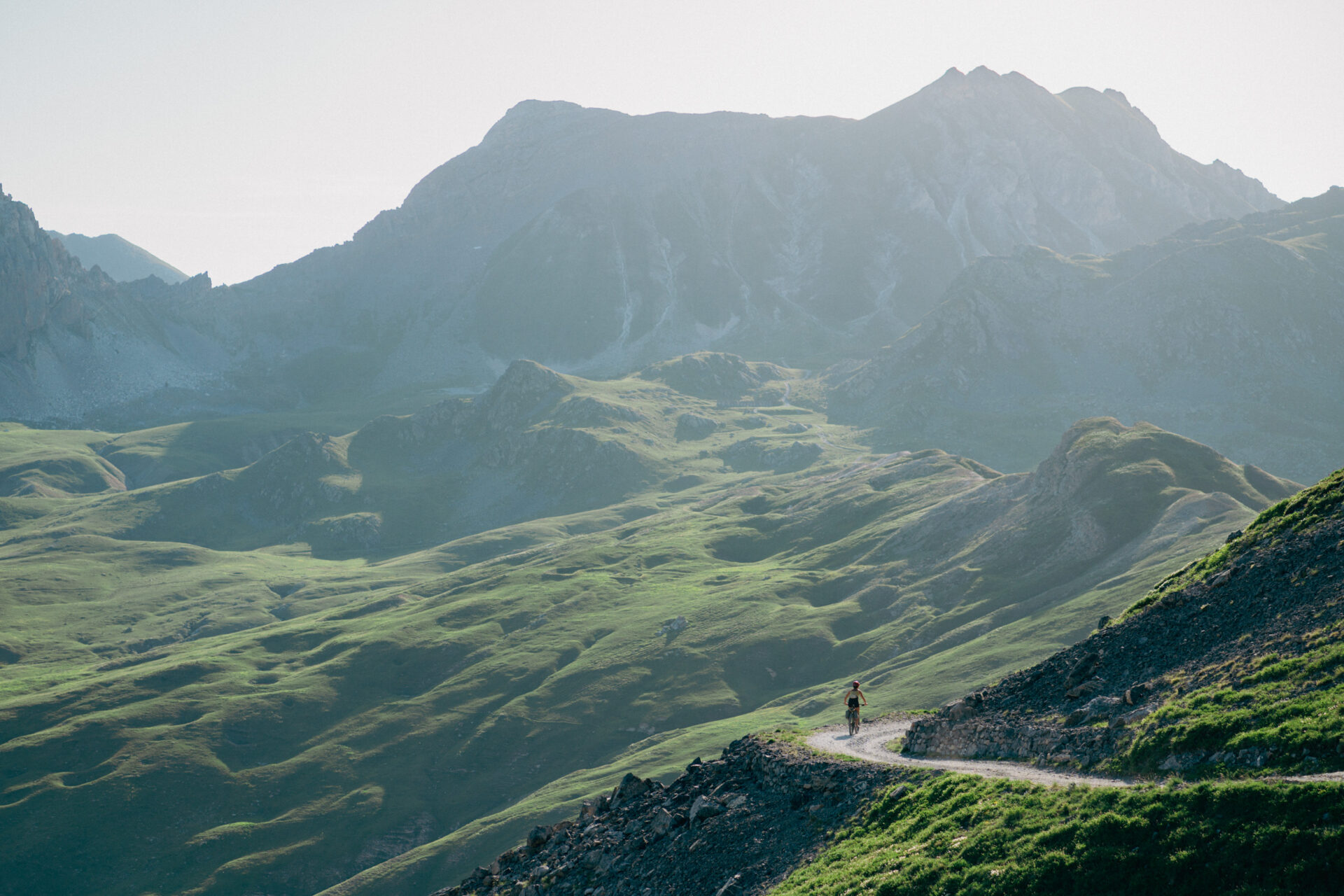
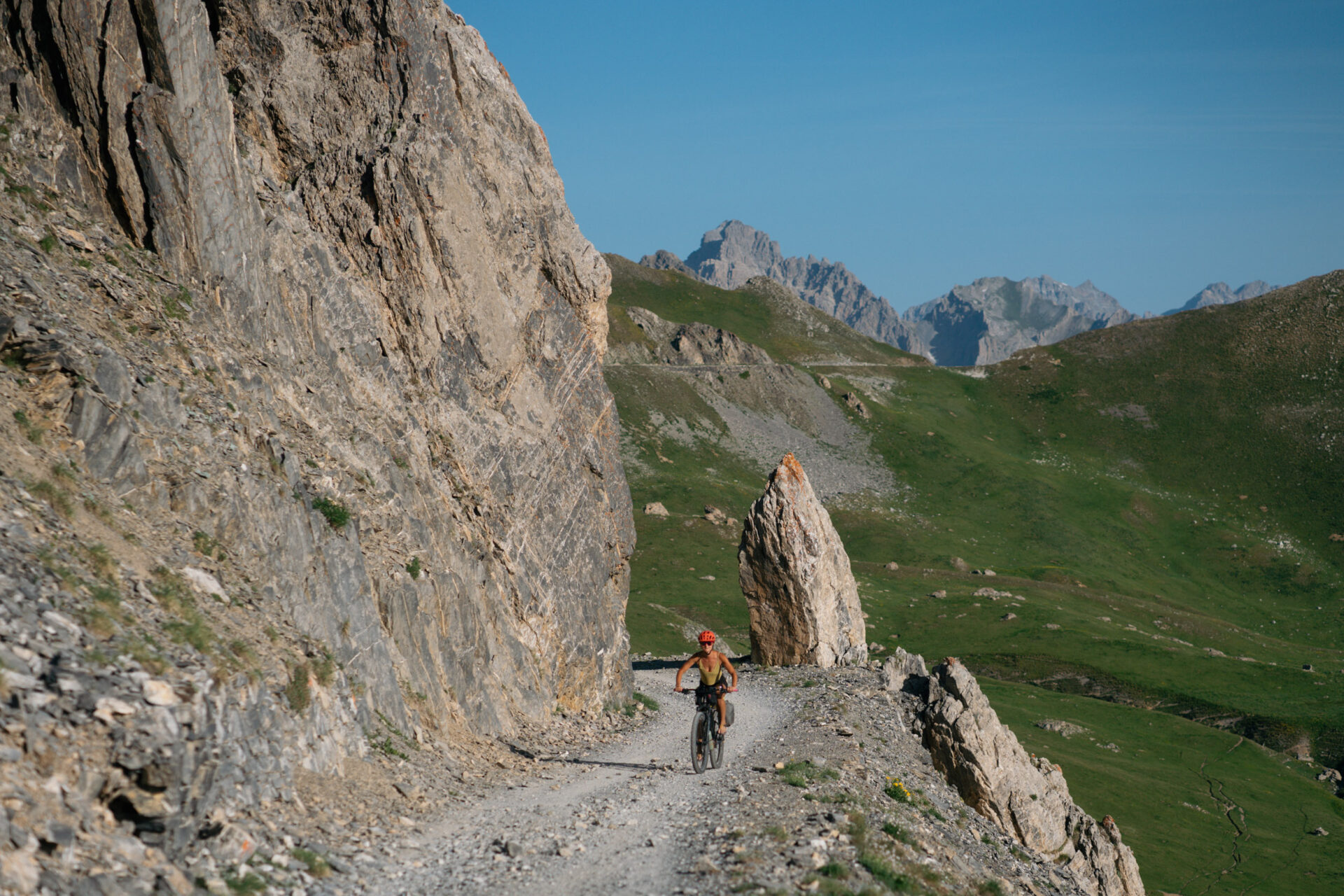
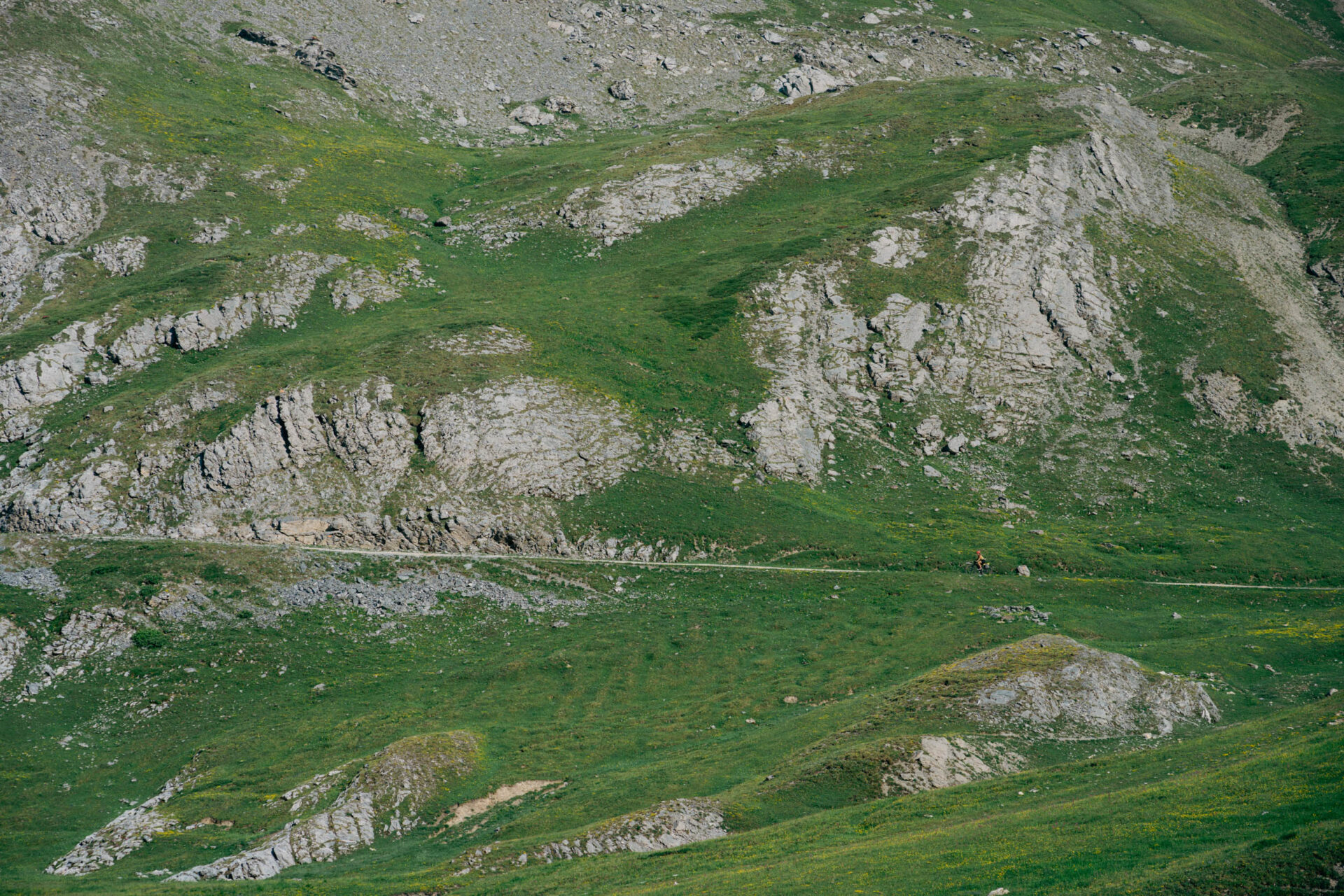
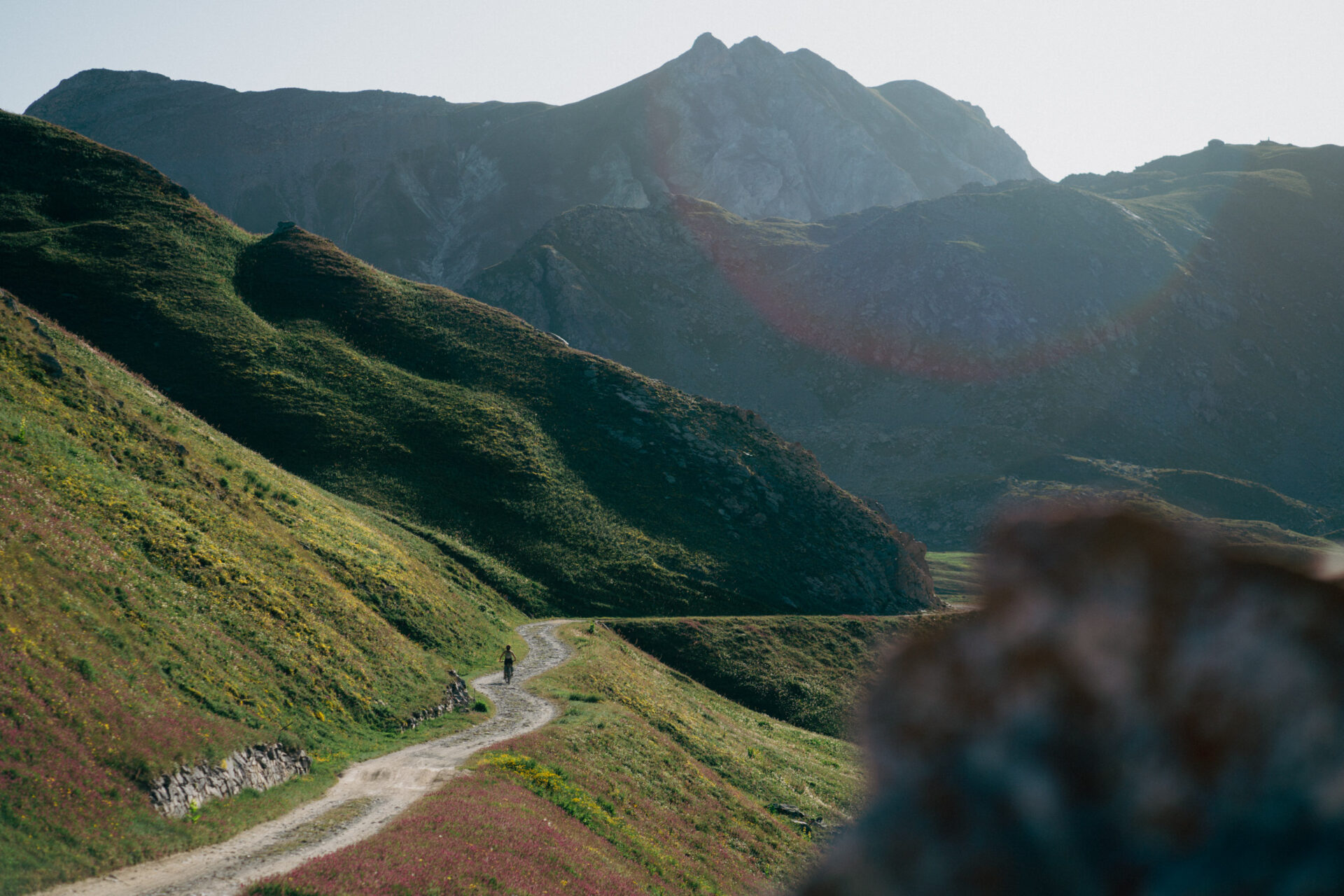
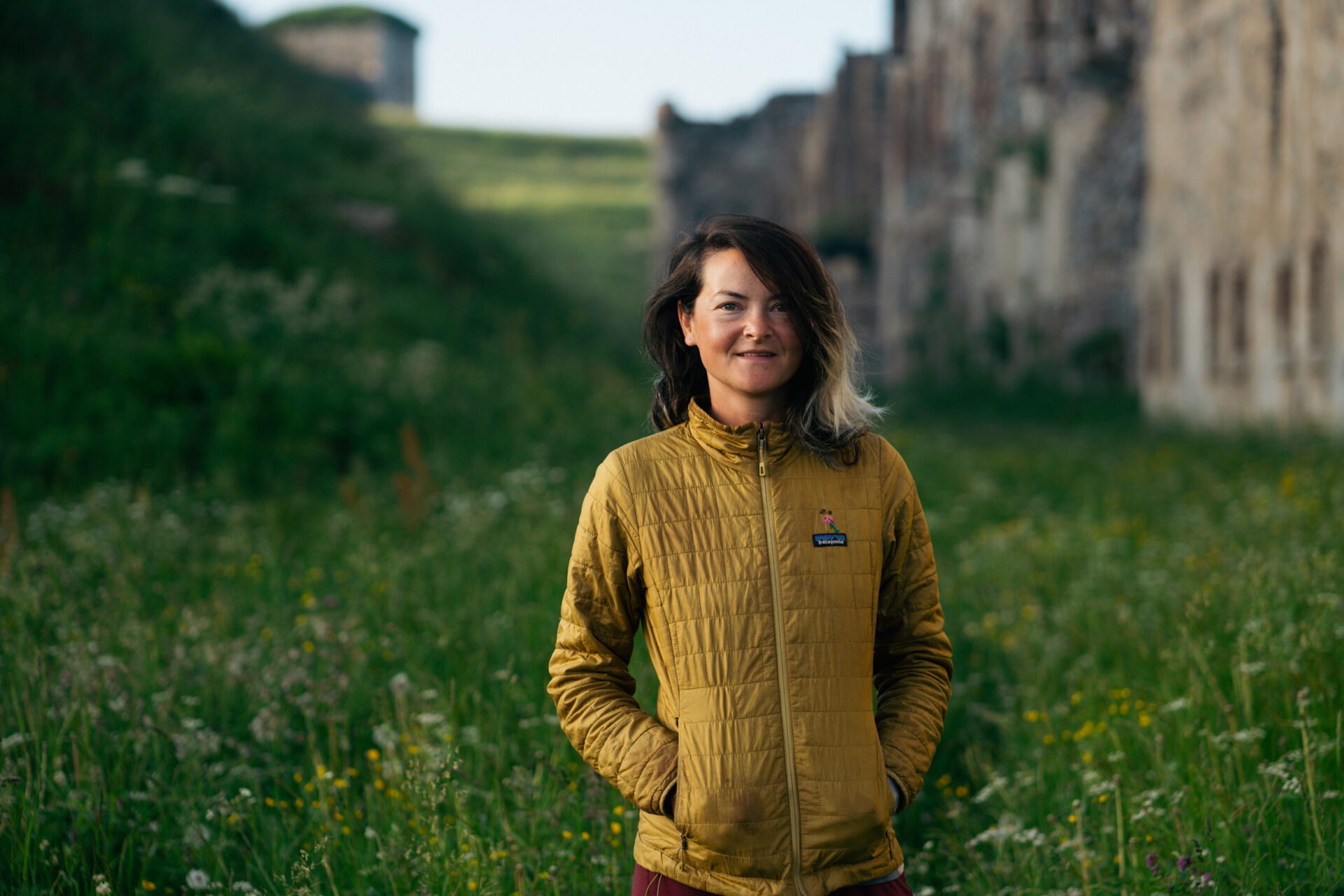
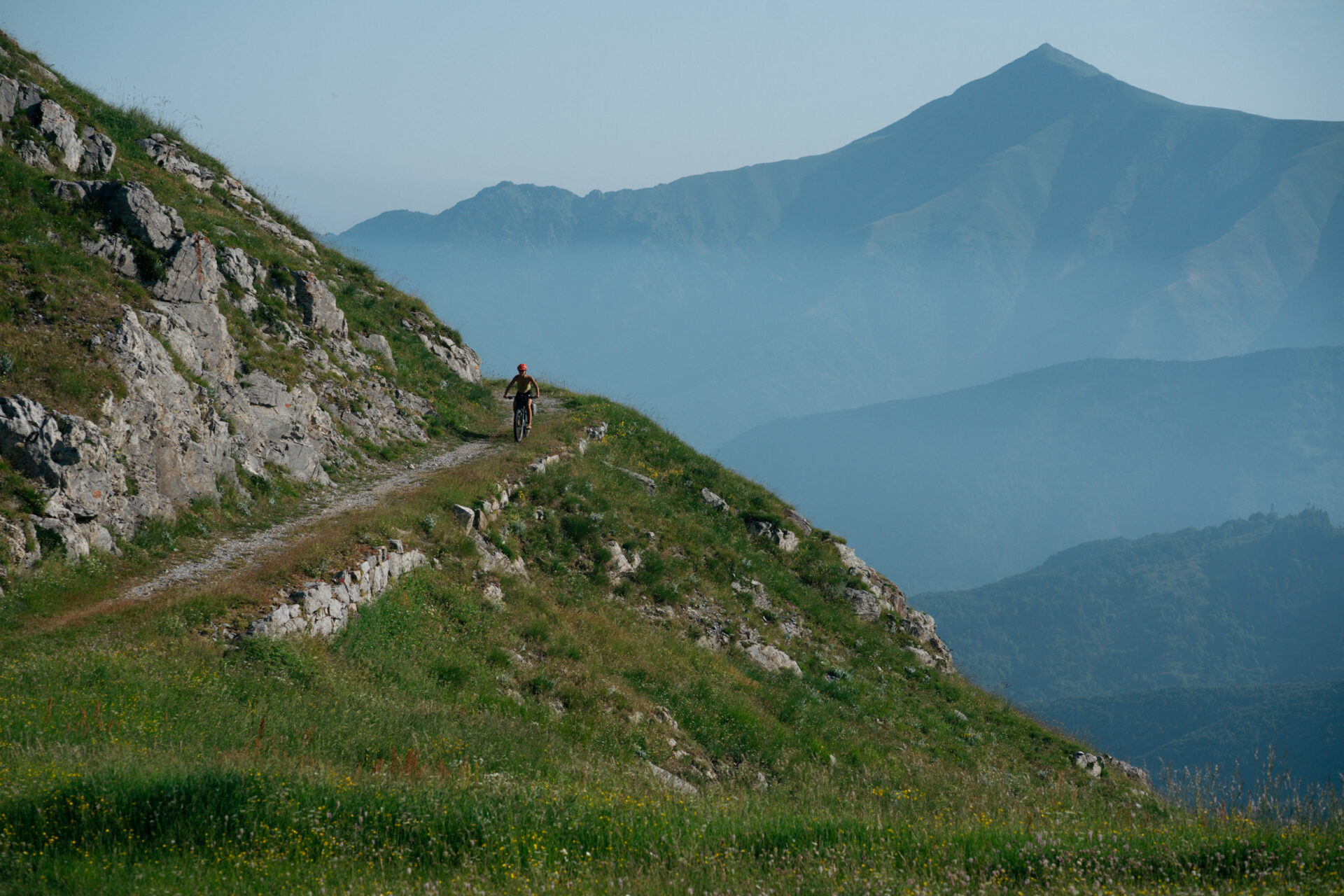
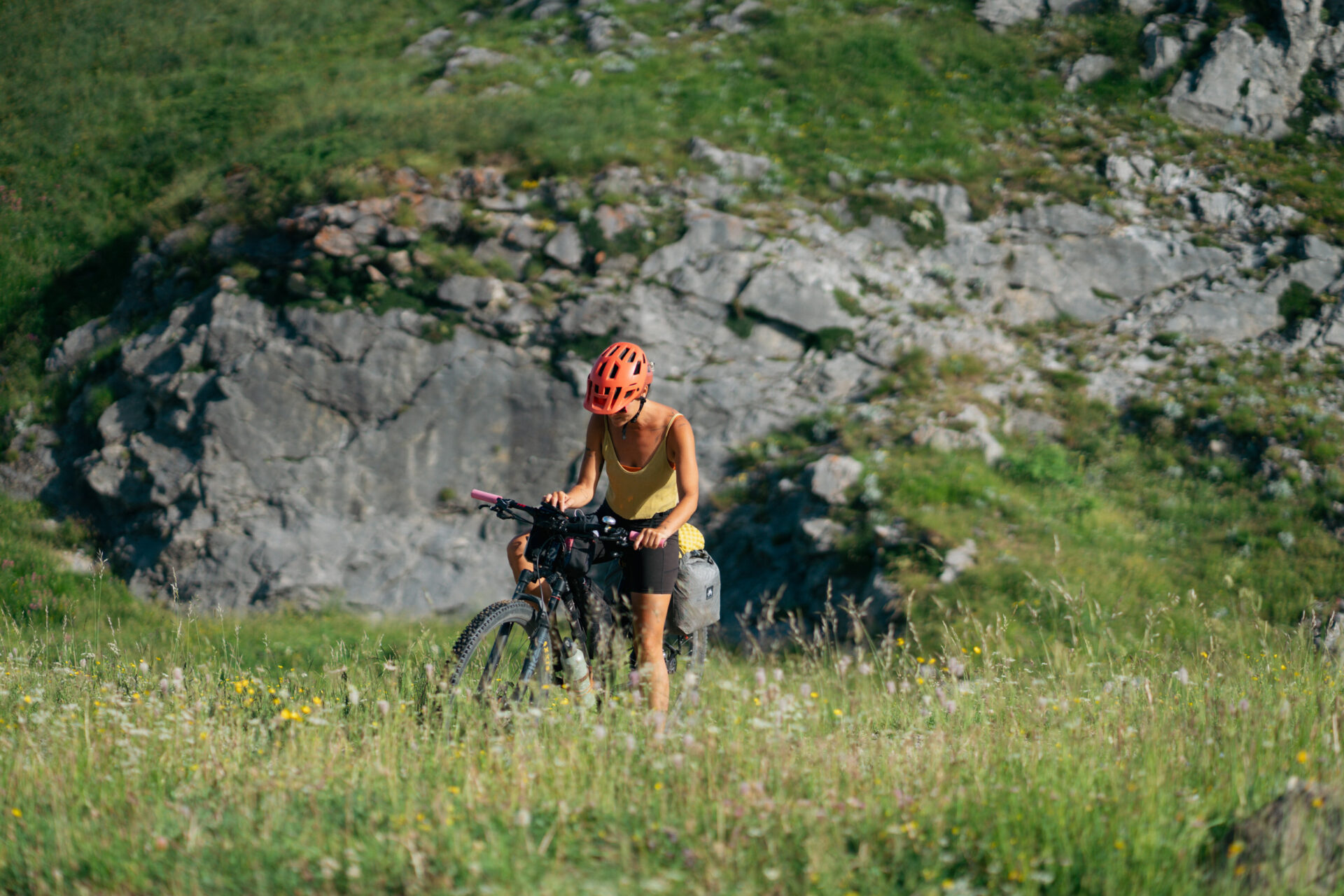
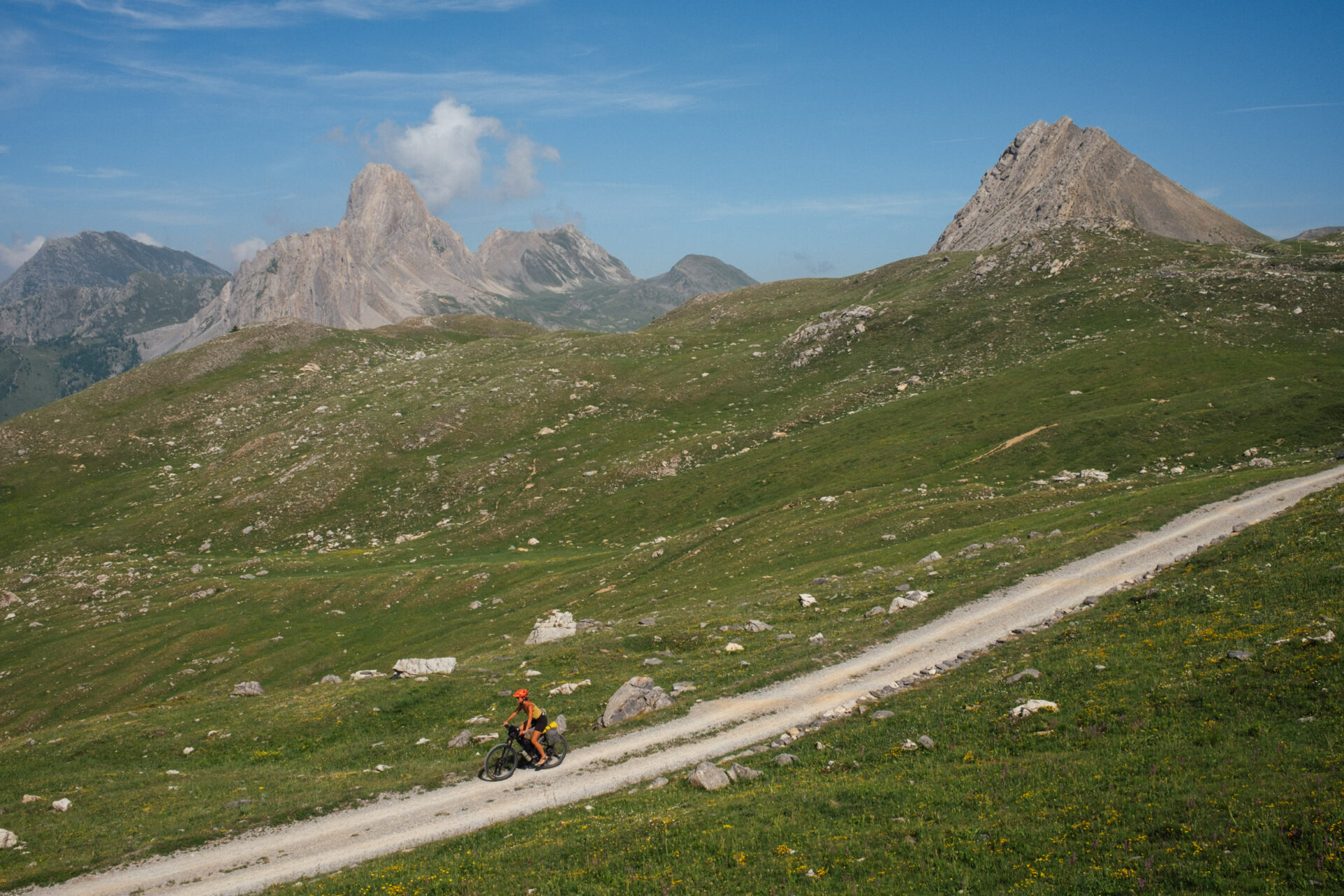
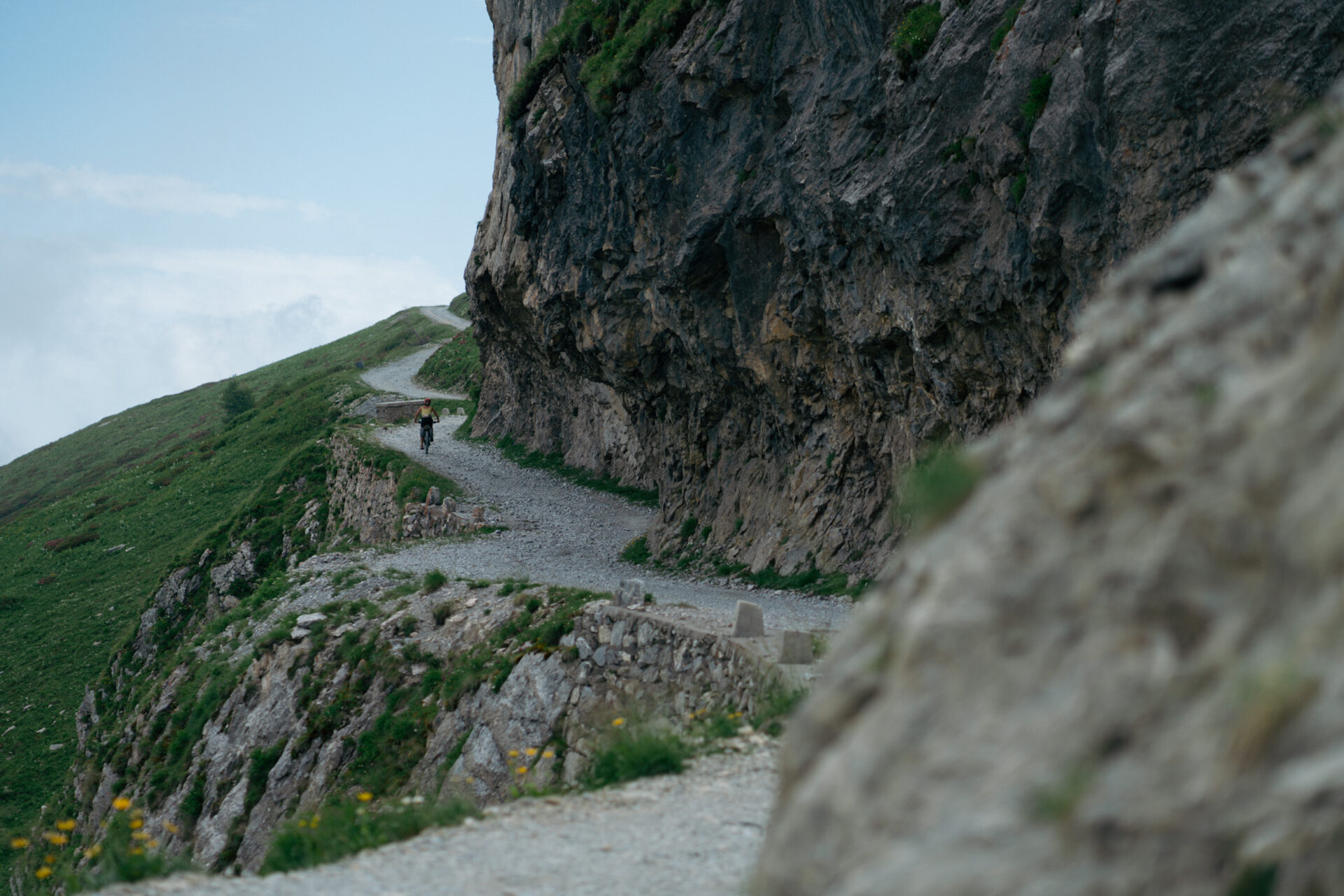
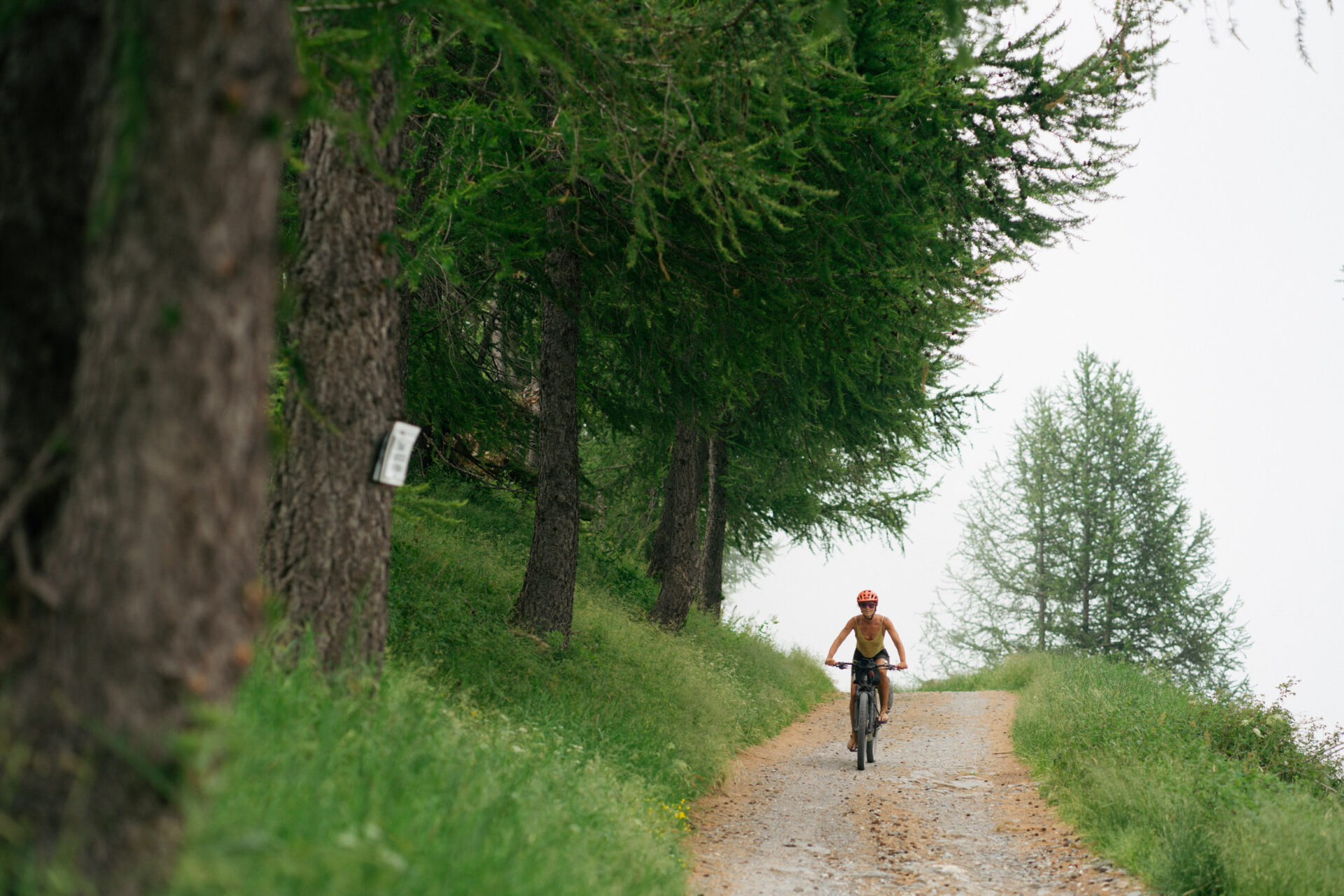
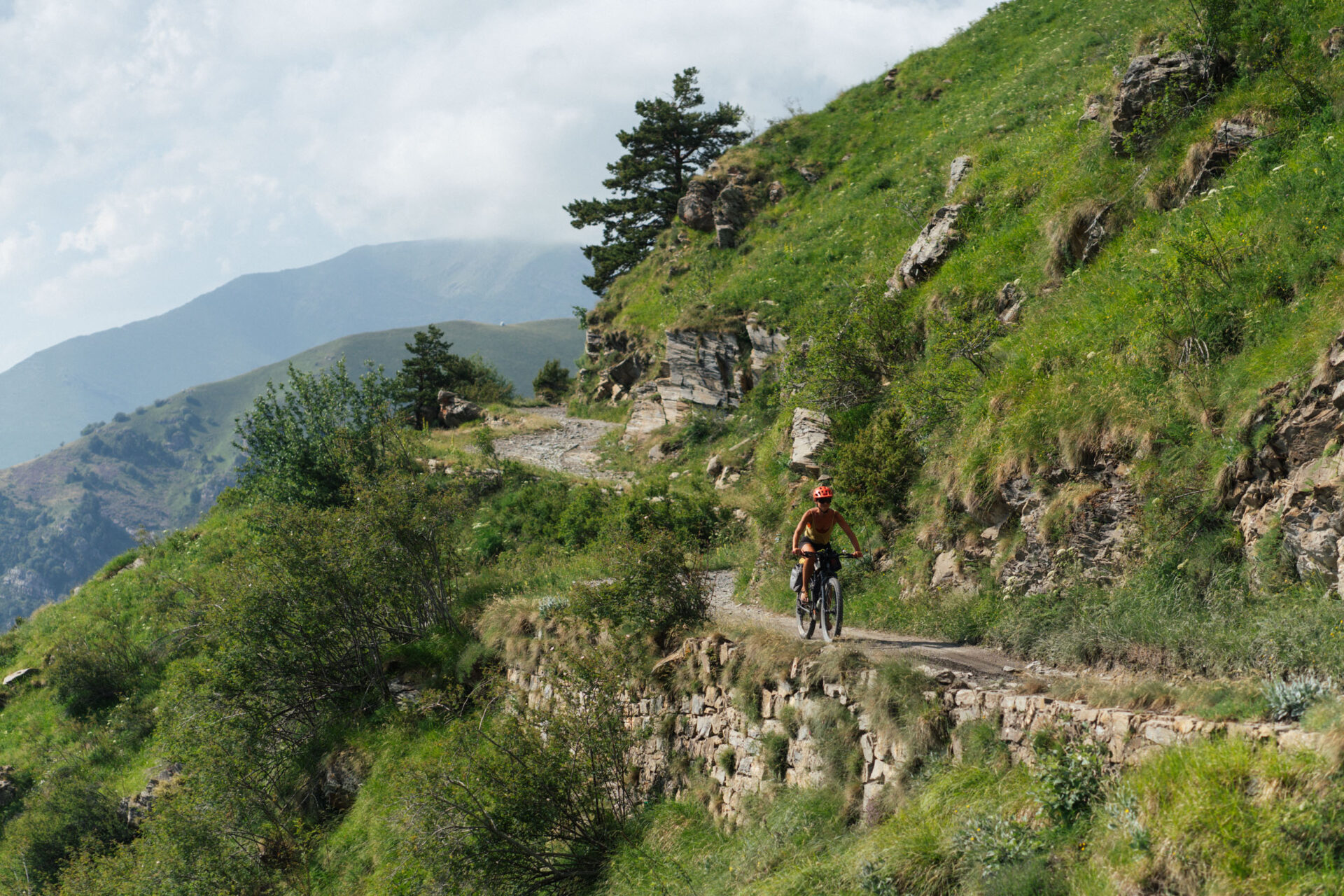
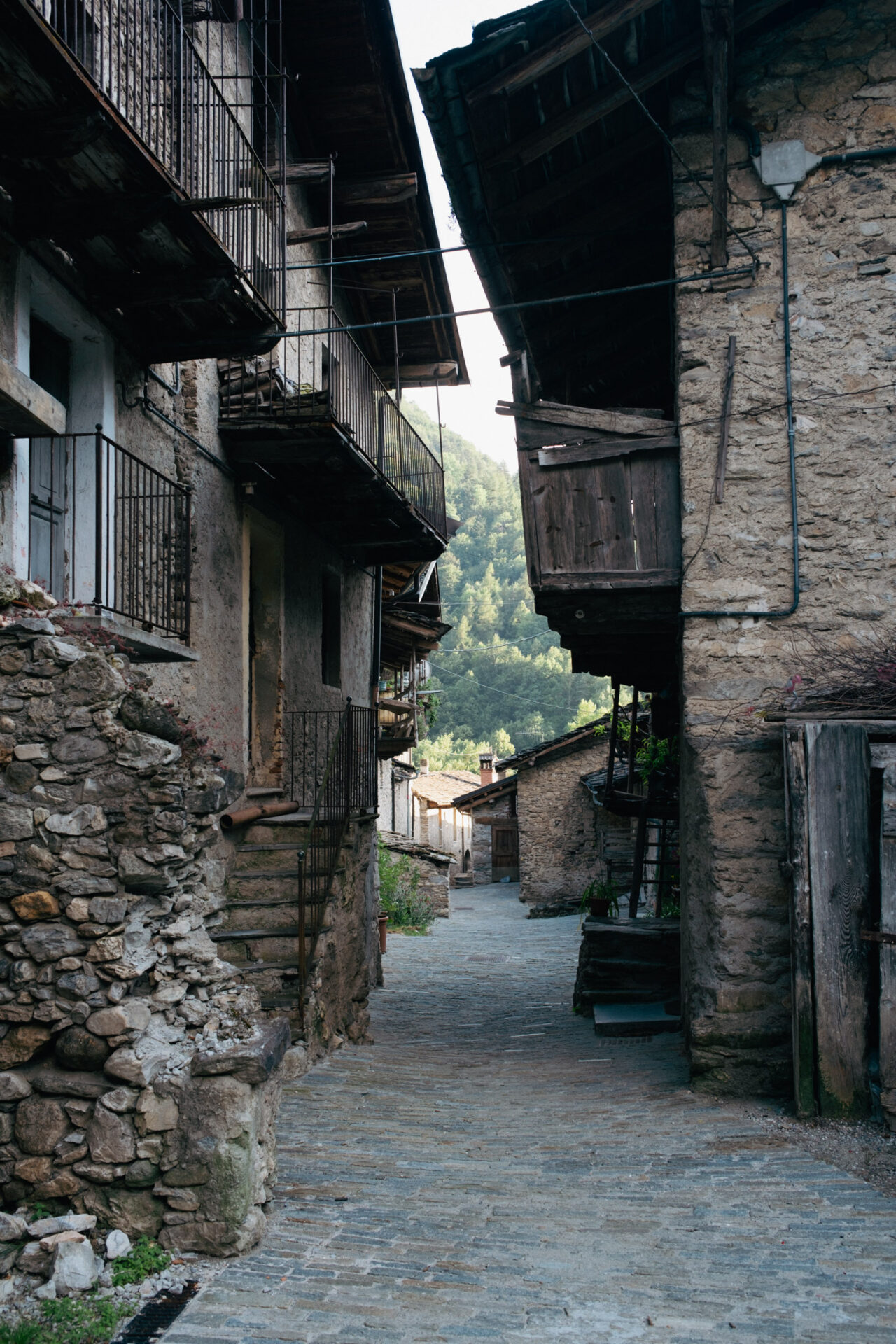
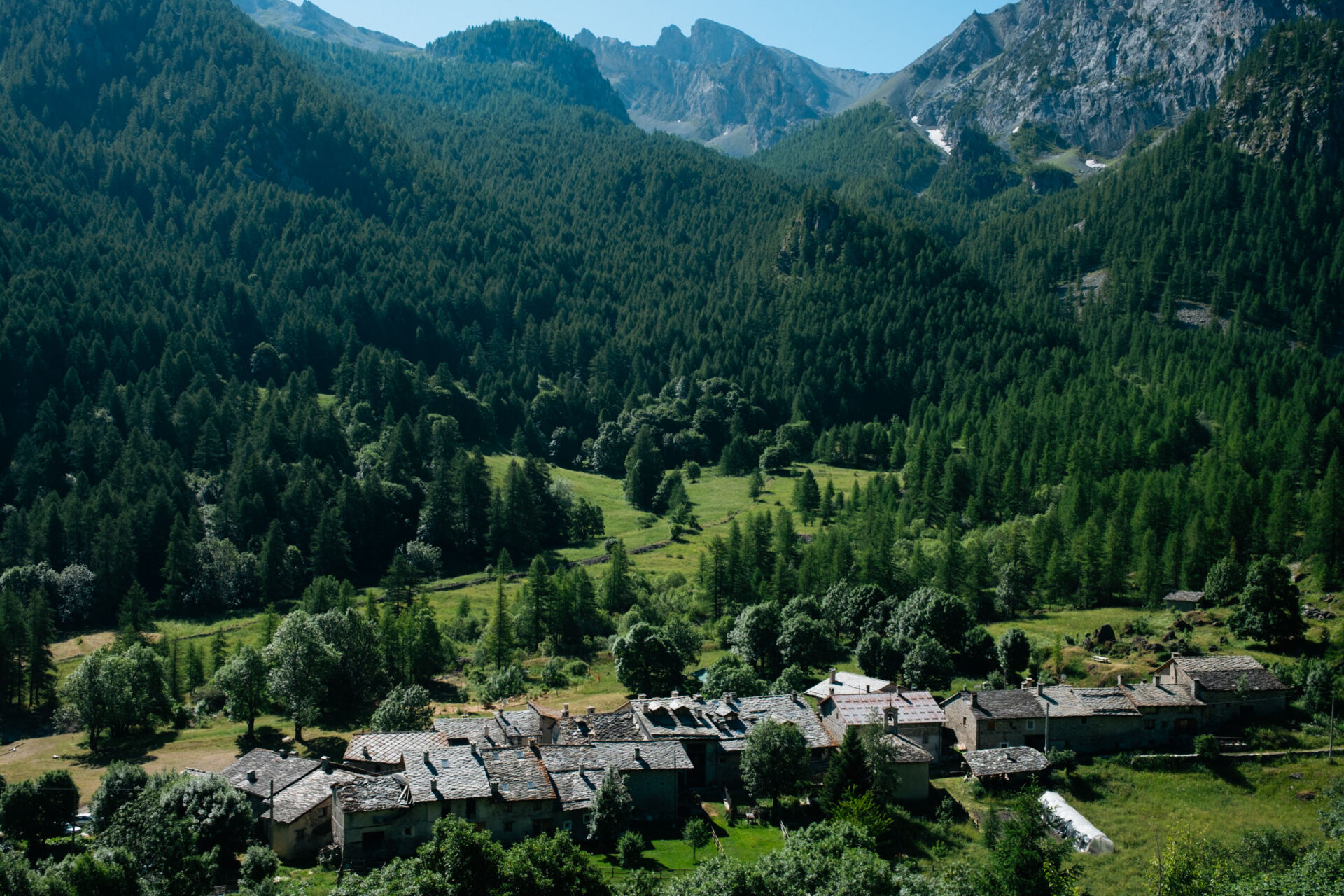
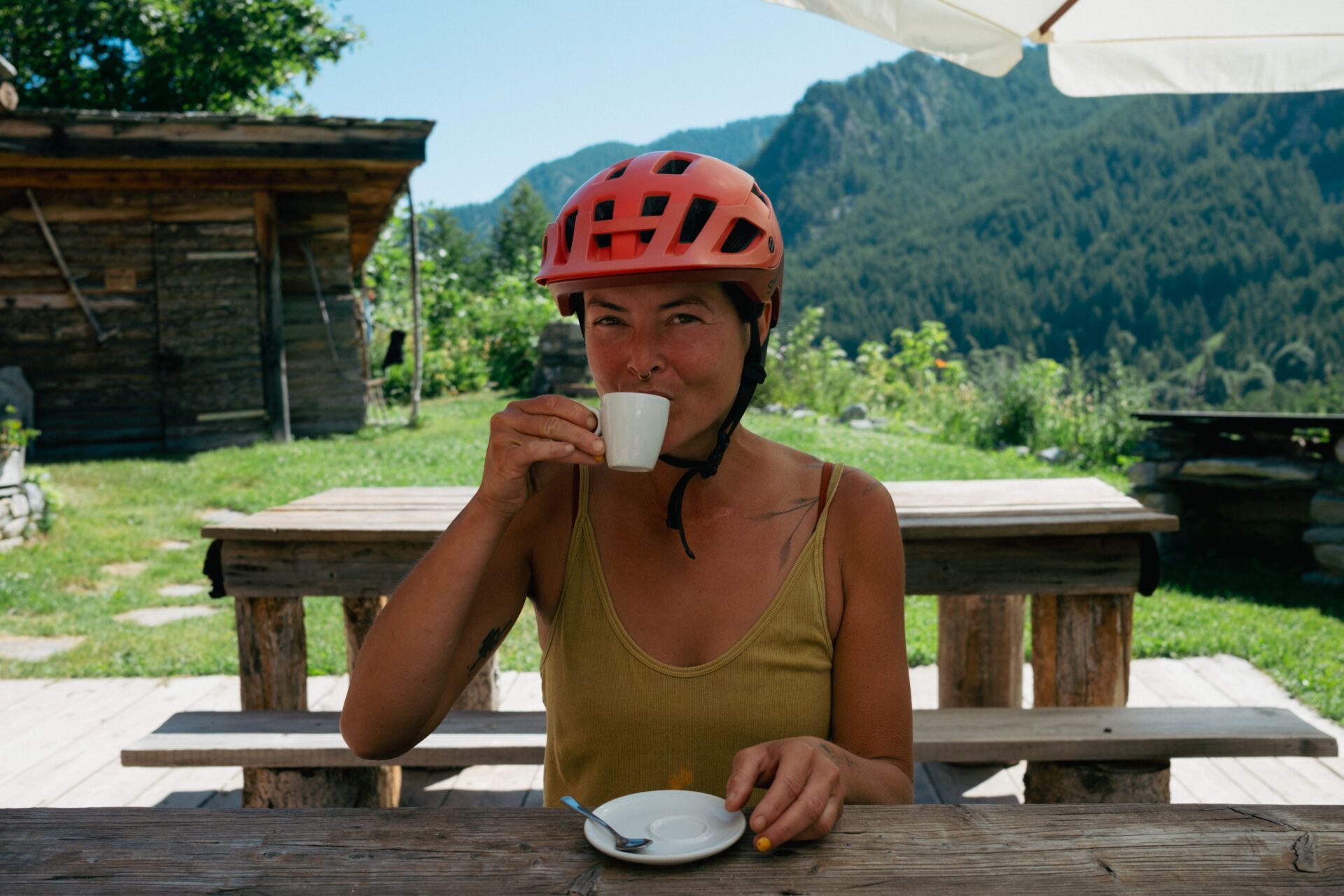
This is Good Life riding!
Initially, I was just going to take my Fuji x100v, given our intentions to ride (relatively) fast and light. But in the end, I popped my Sony A74/85mm into my waist pack, to take a few ‘action’ shots! I’m glad I had both, but as usual, the little Fuji is the camera is the one I reach for almost all the time.
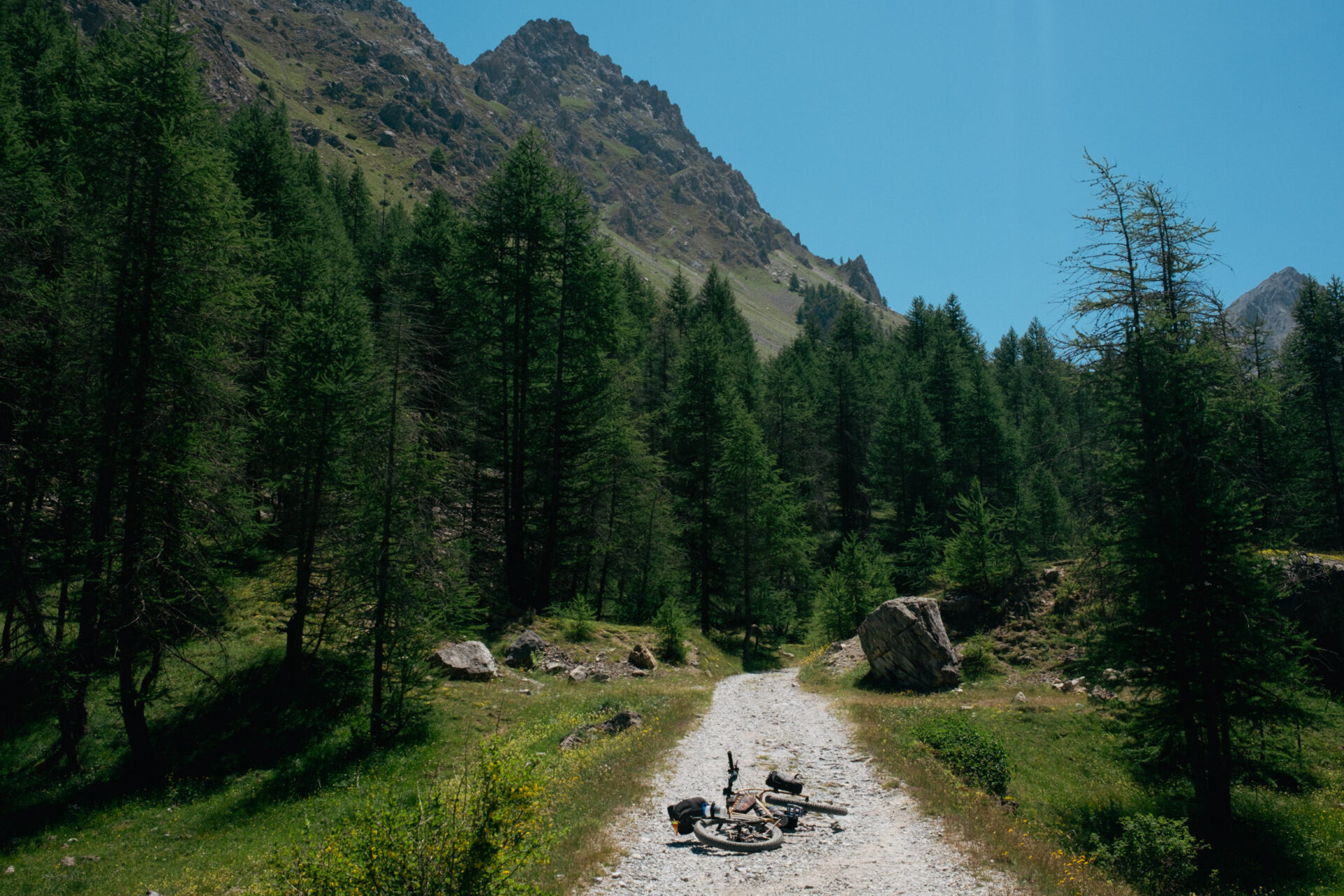
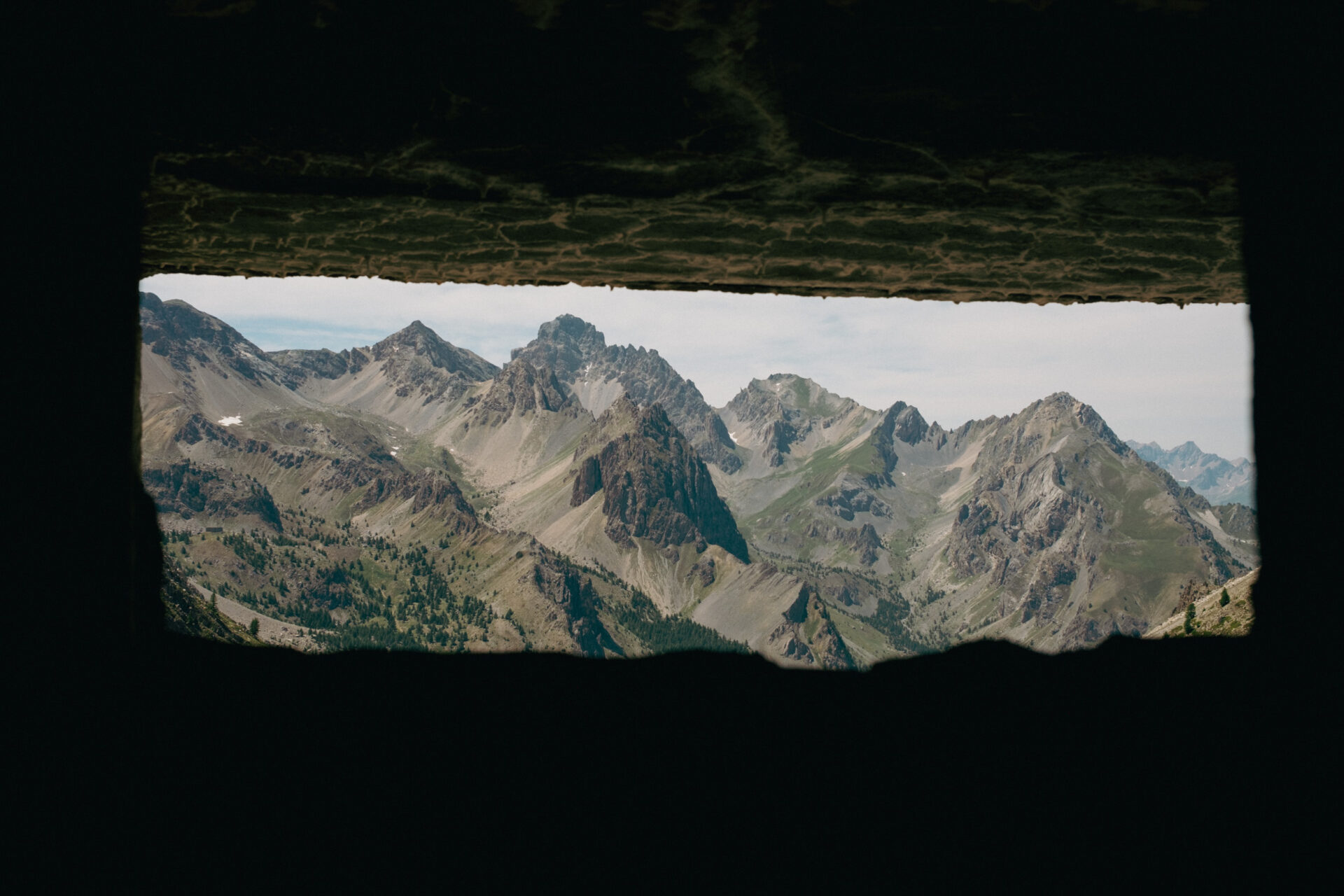
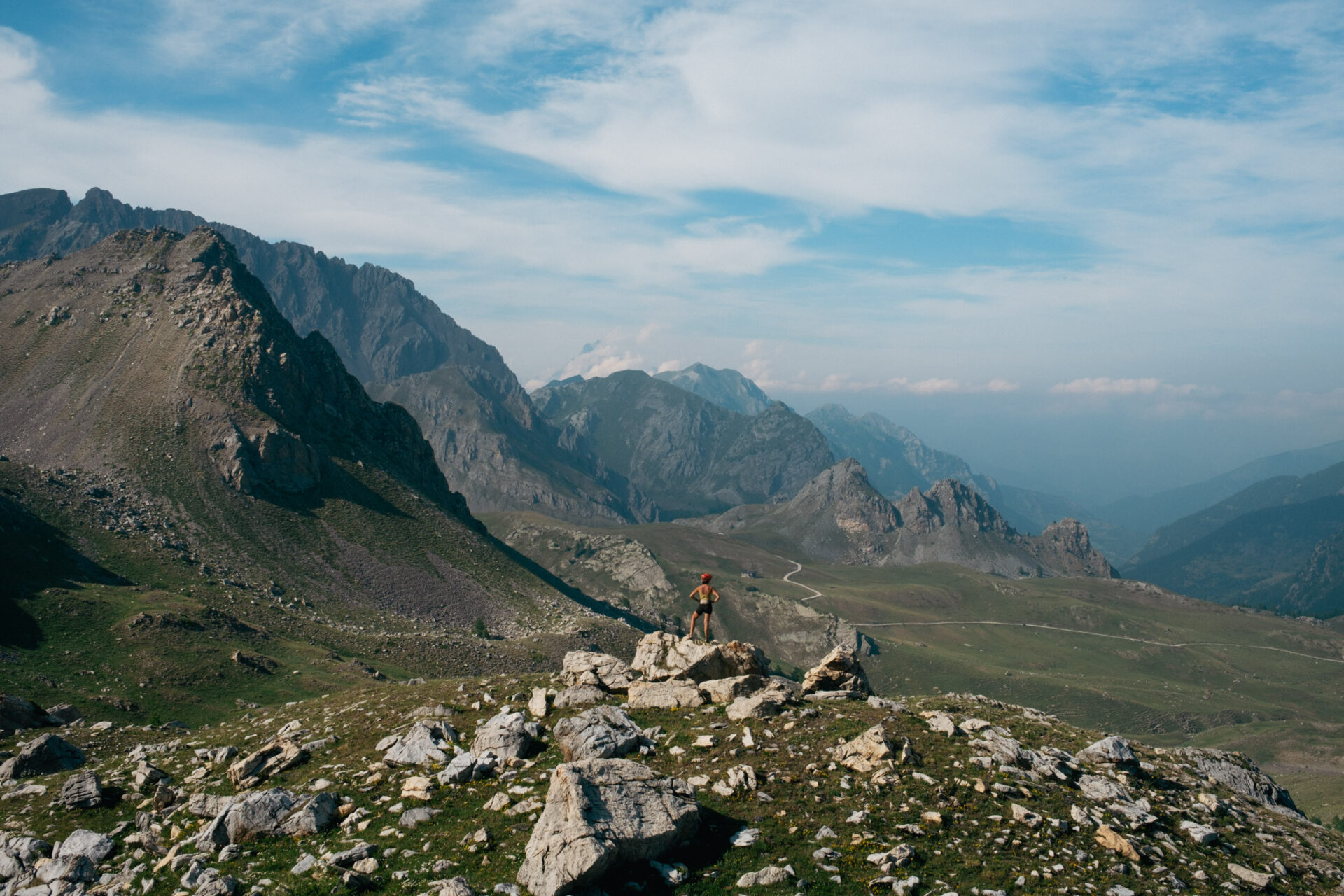
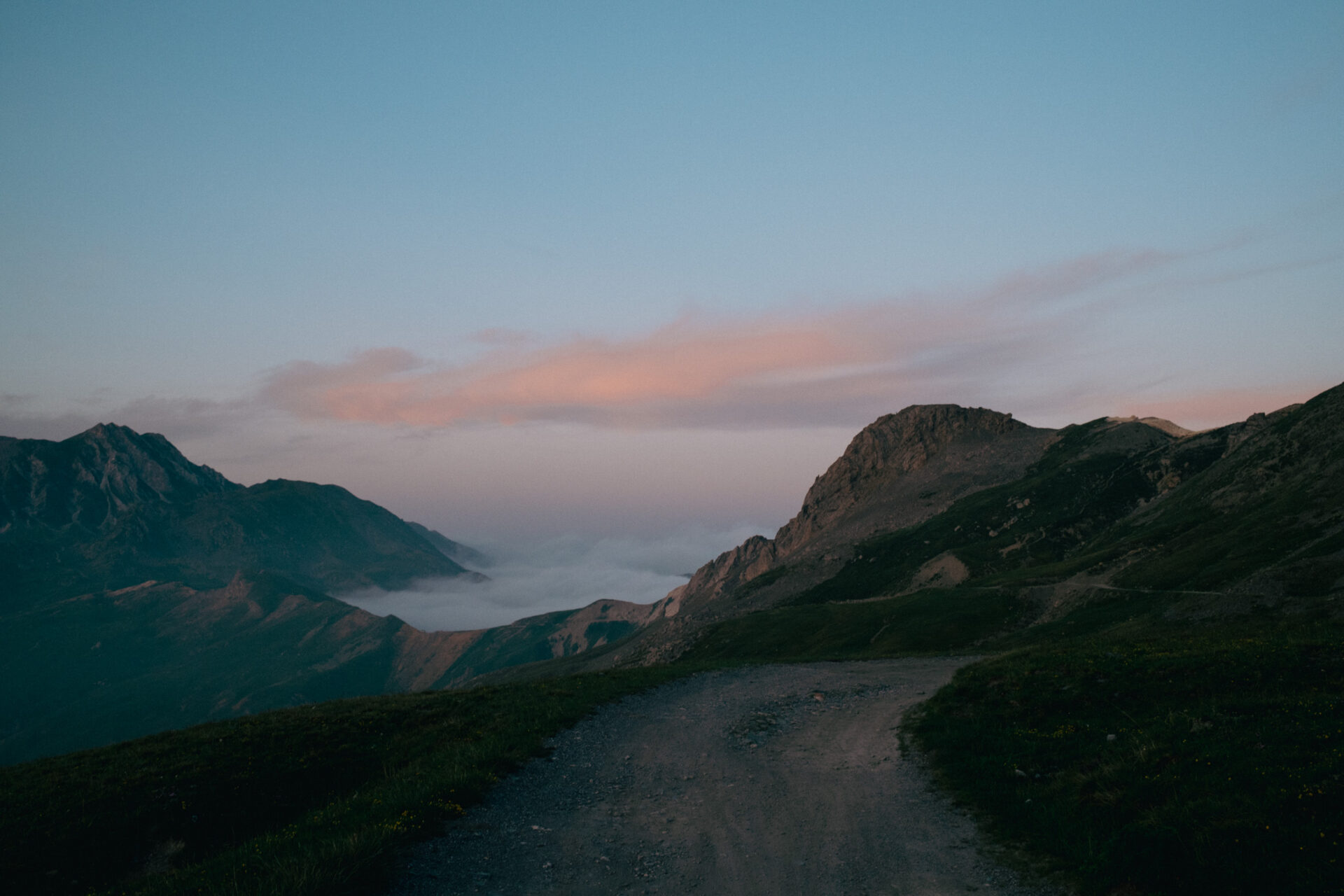
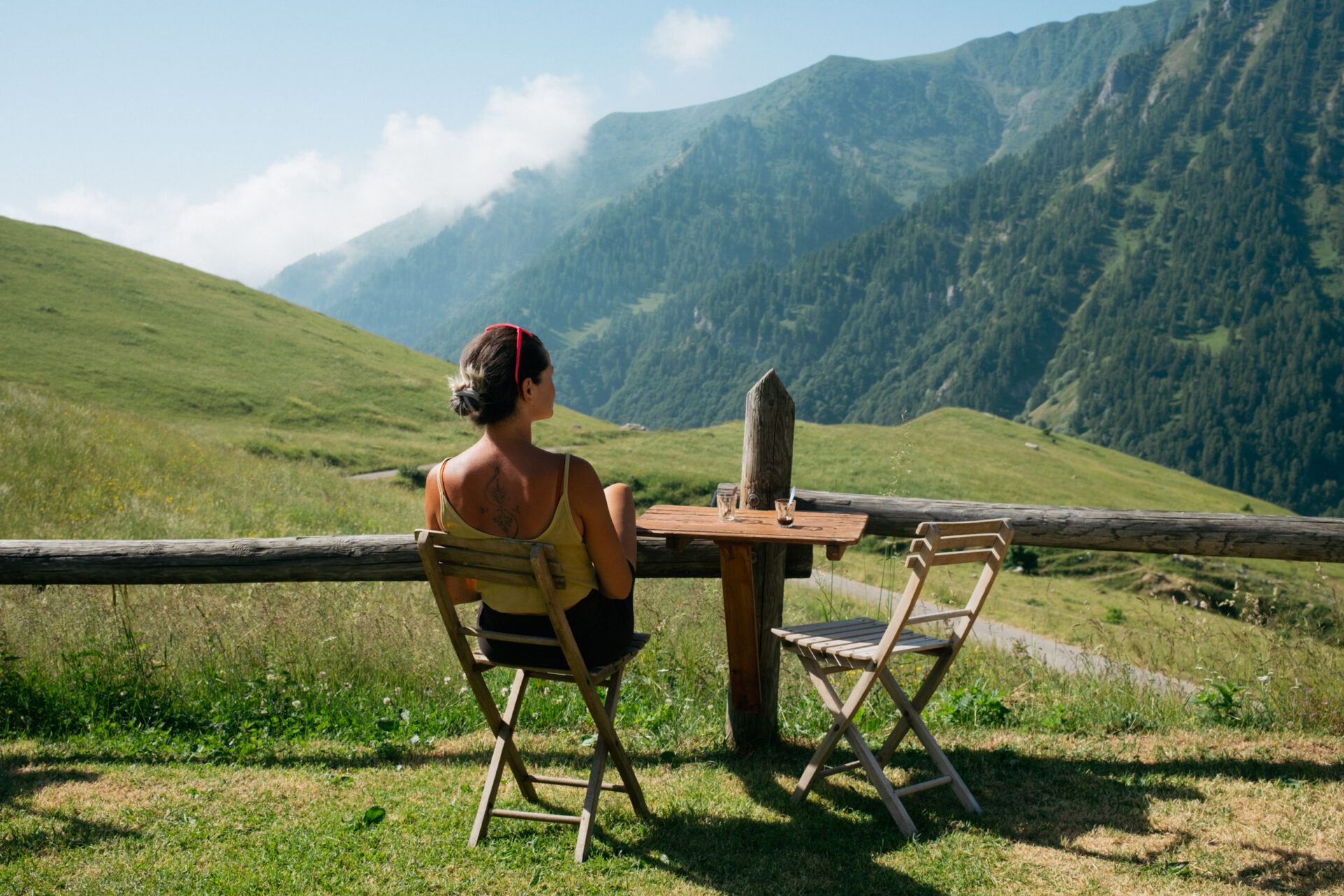
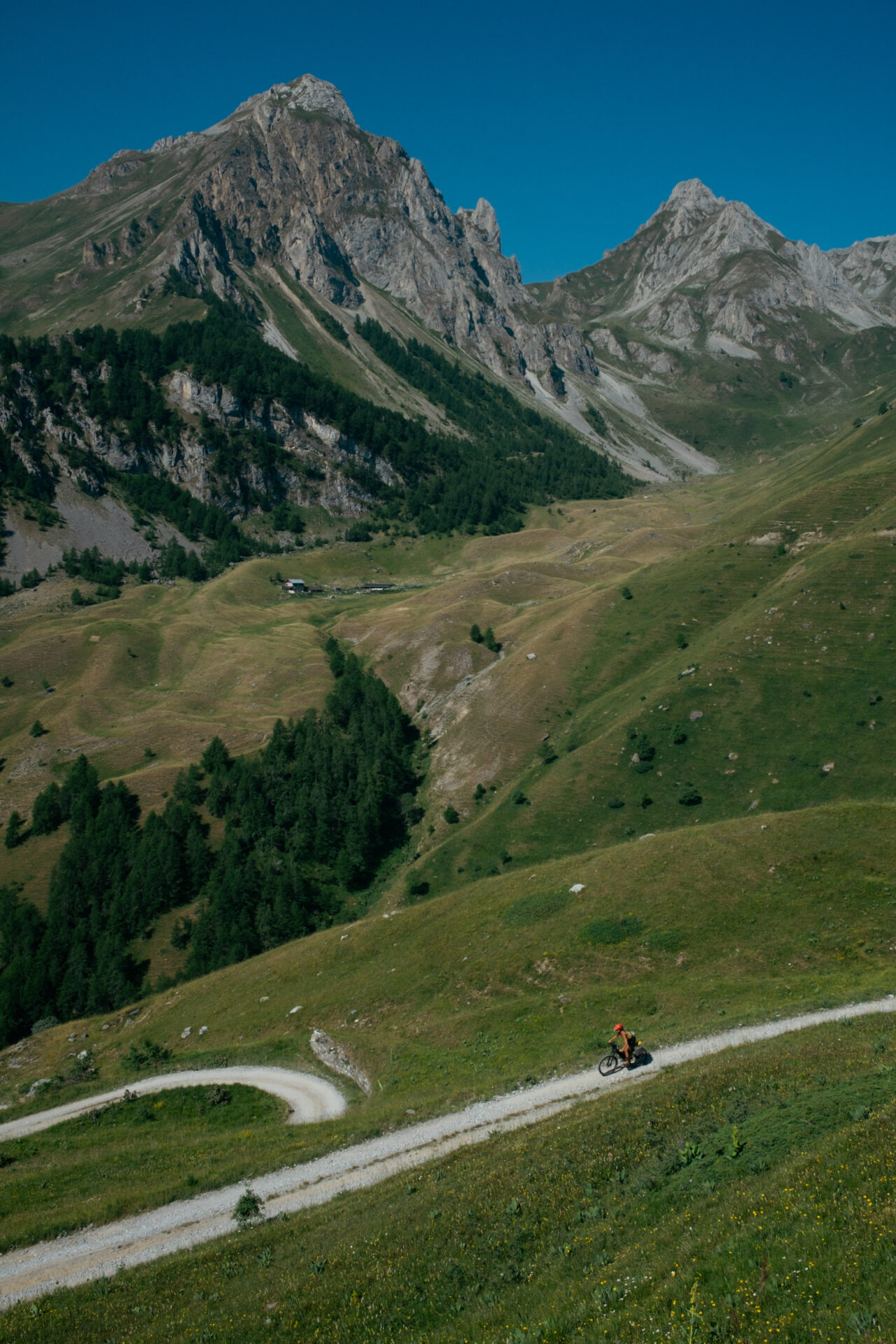
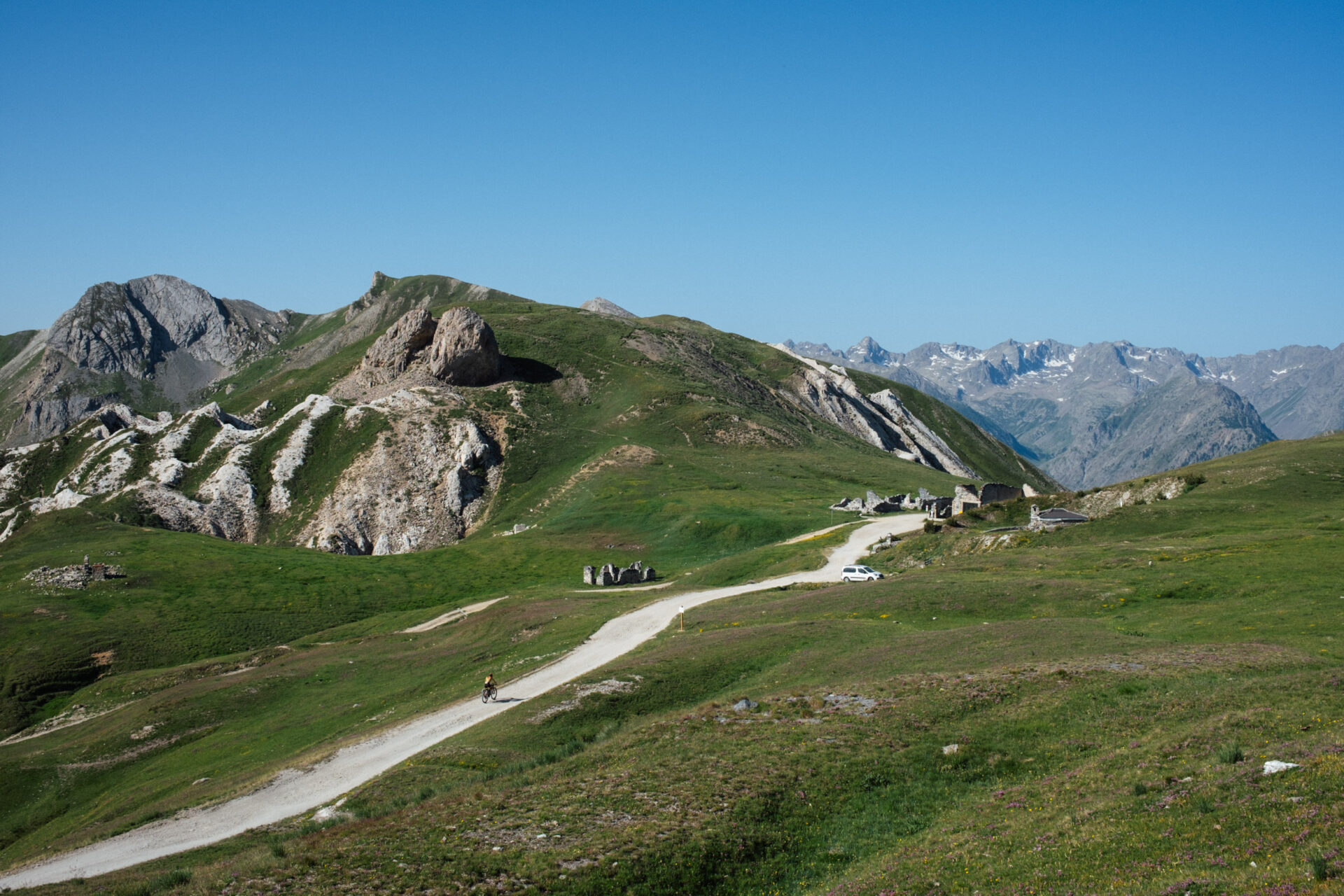
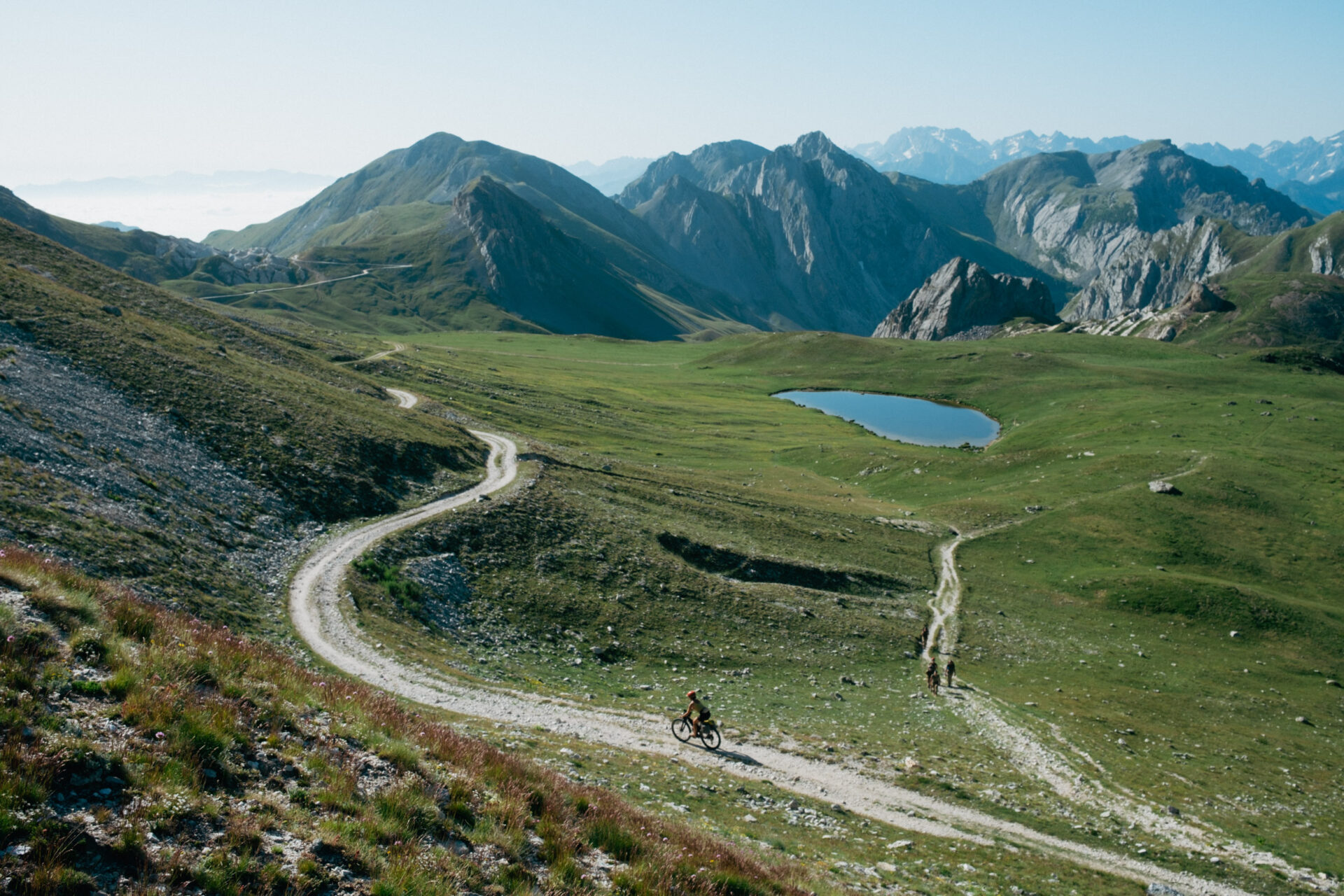
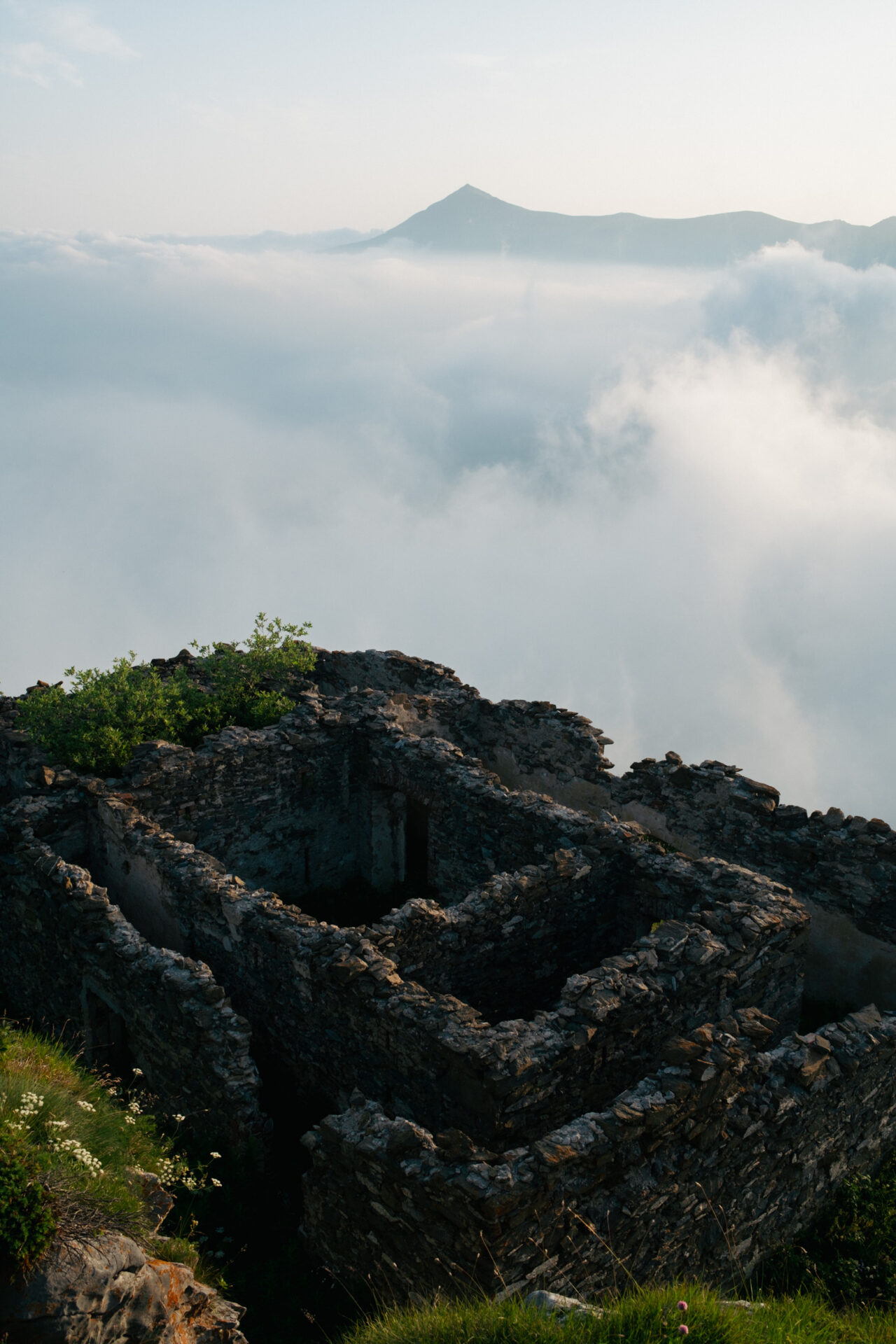
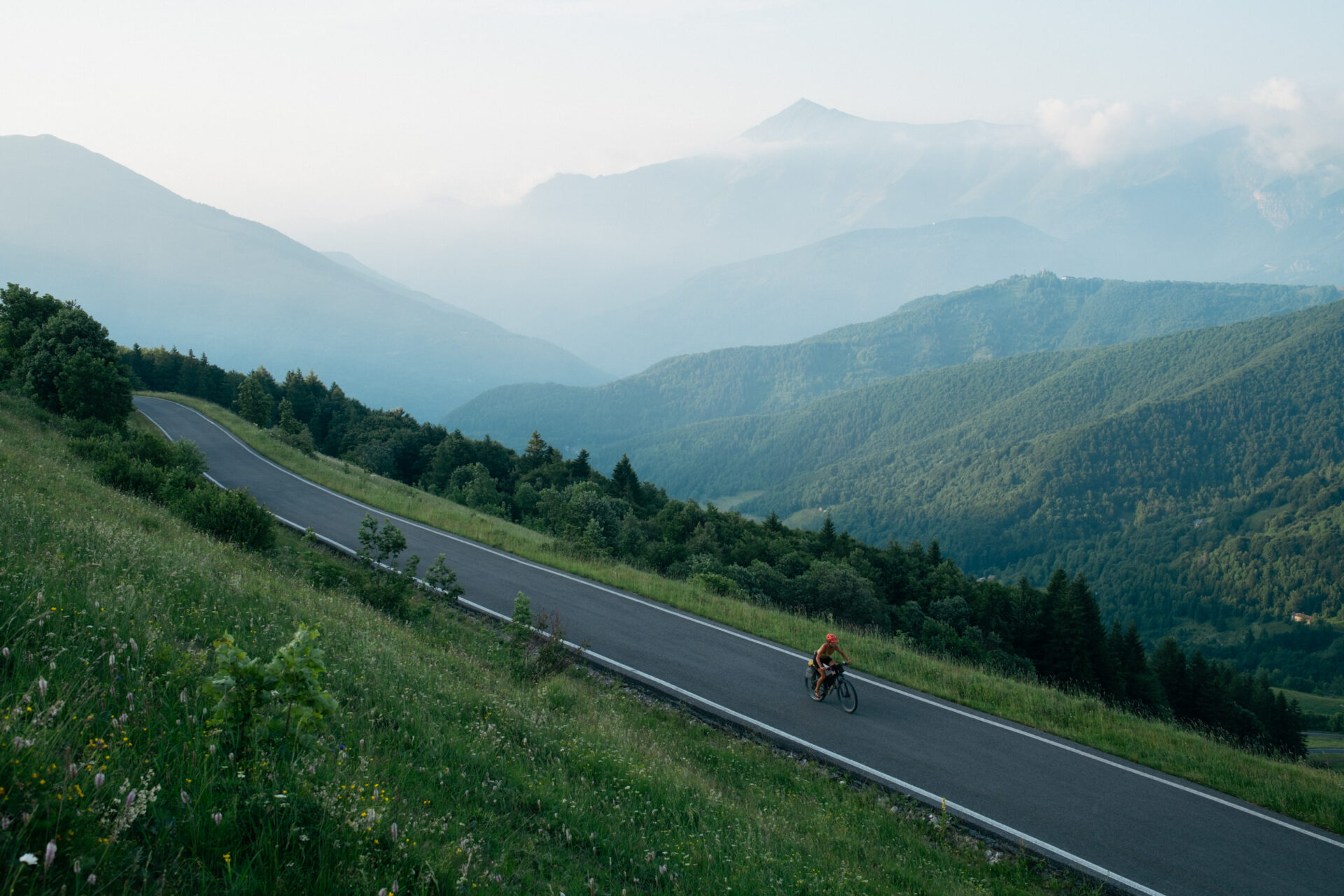
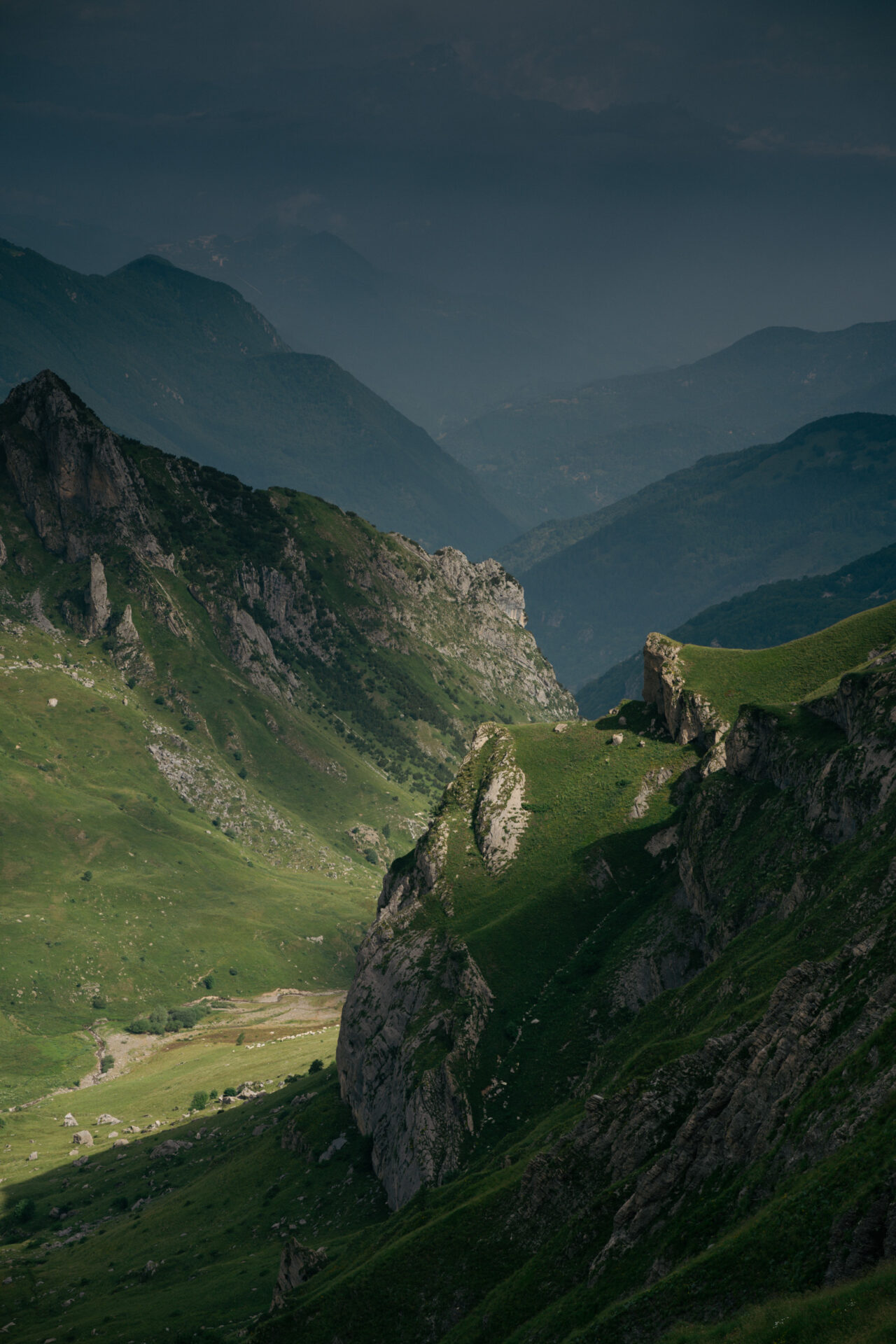
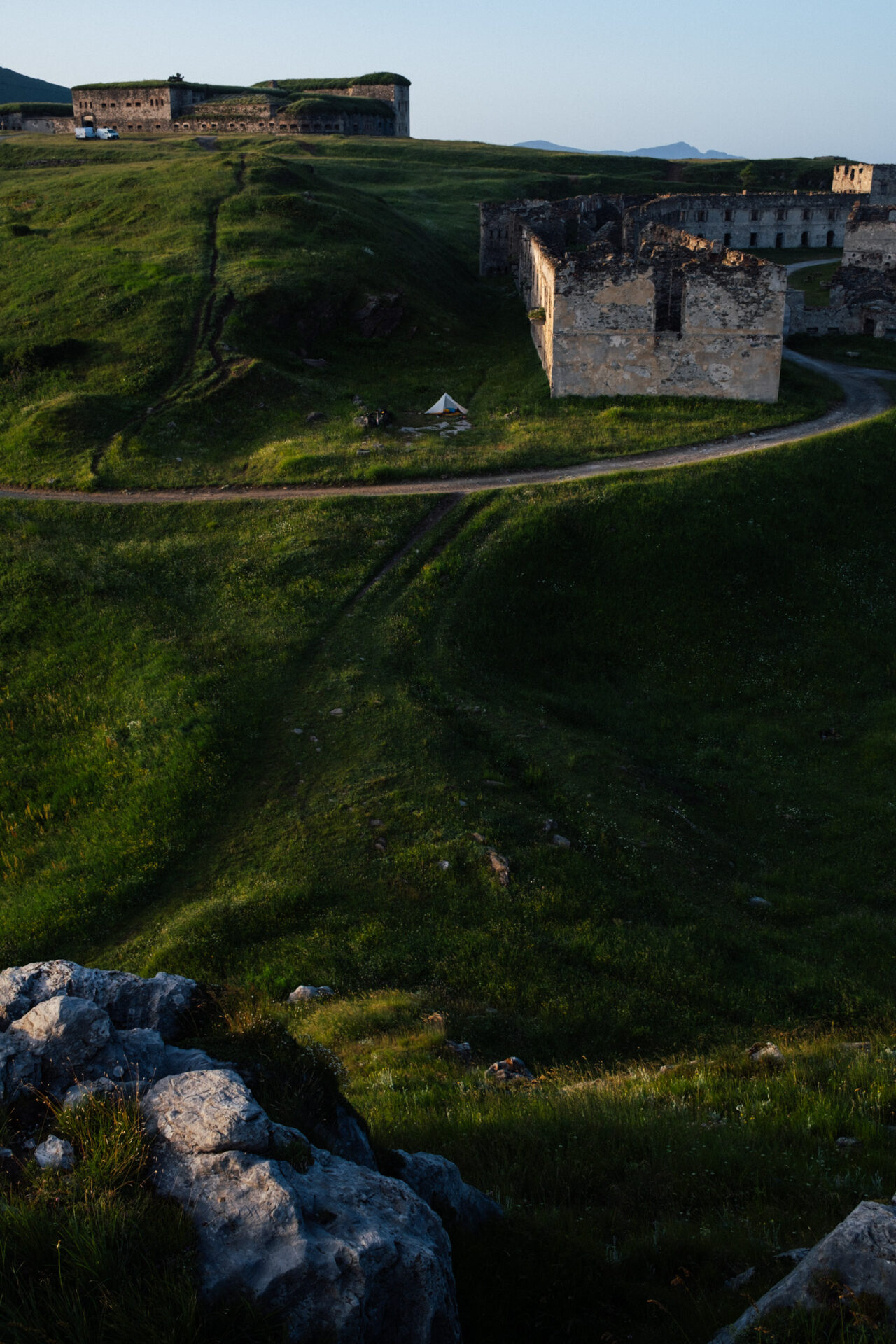
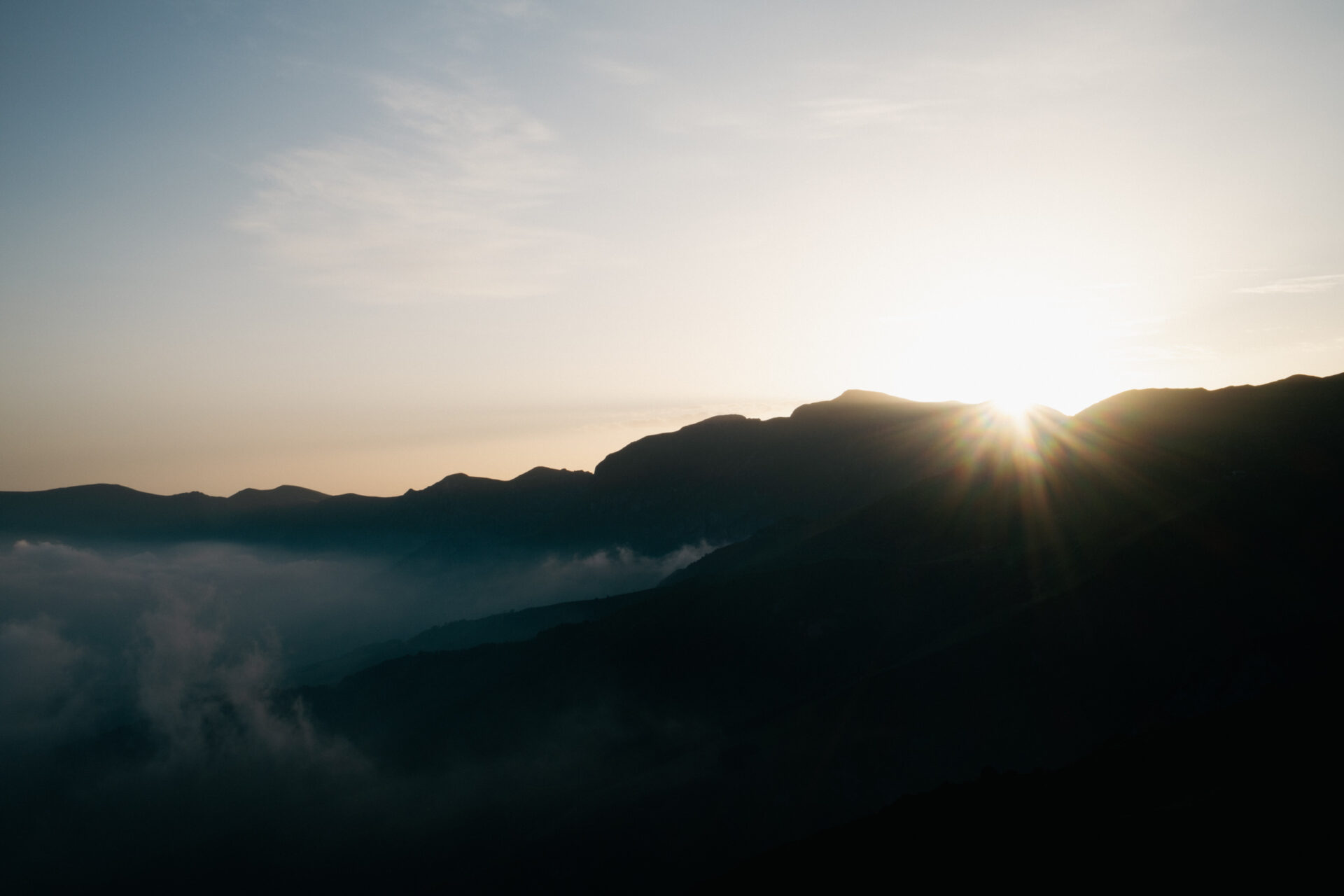
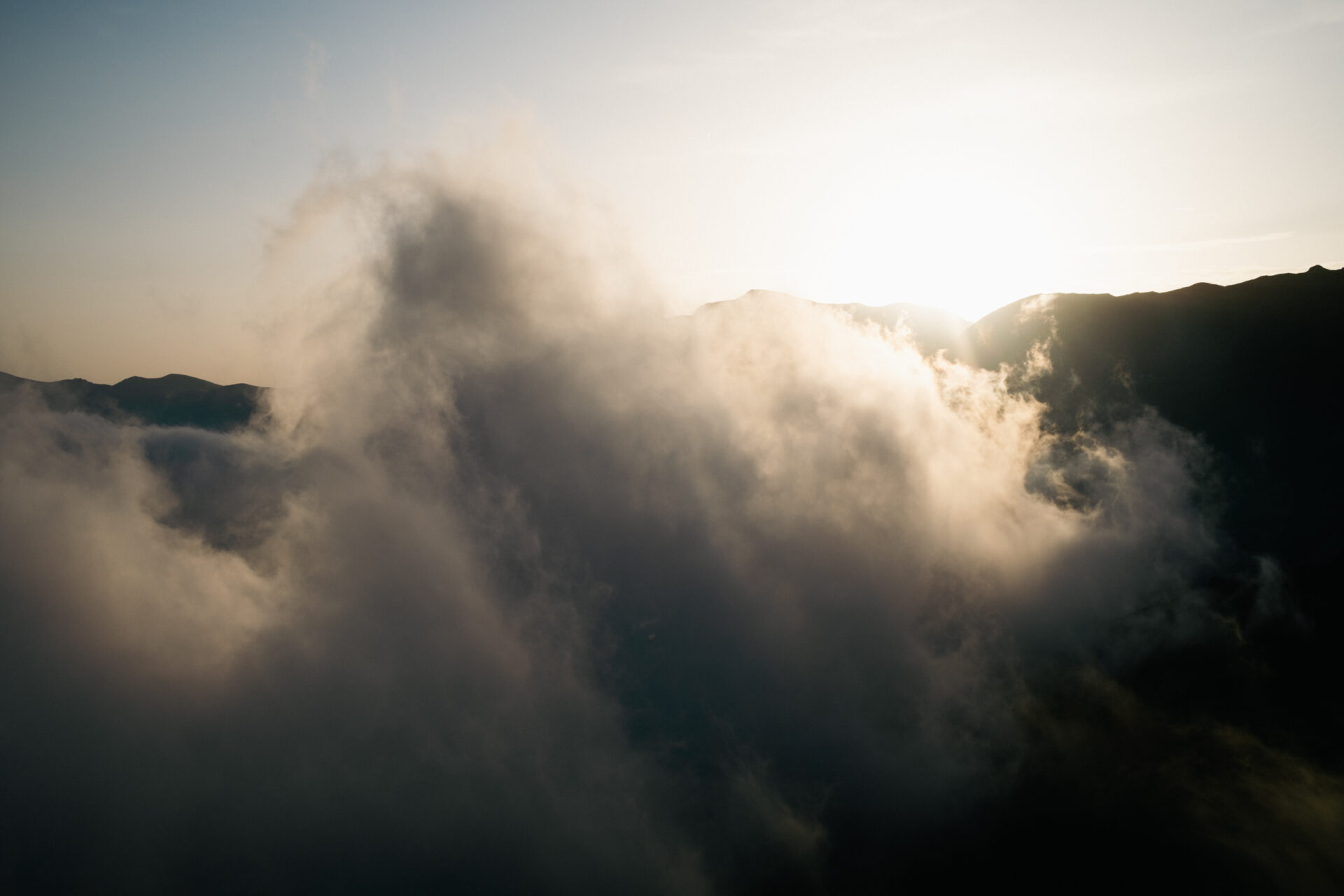
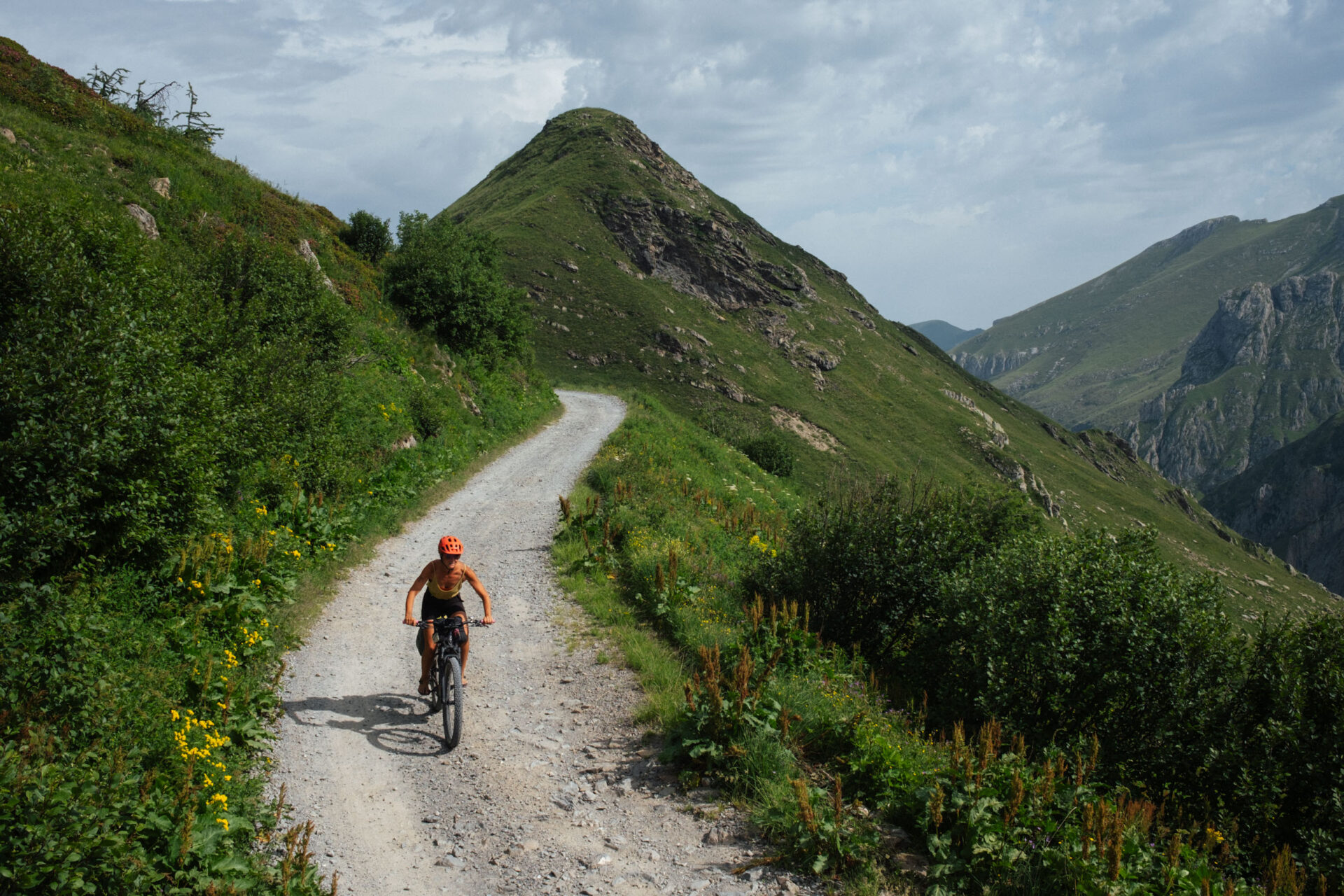
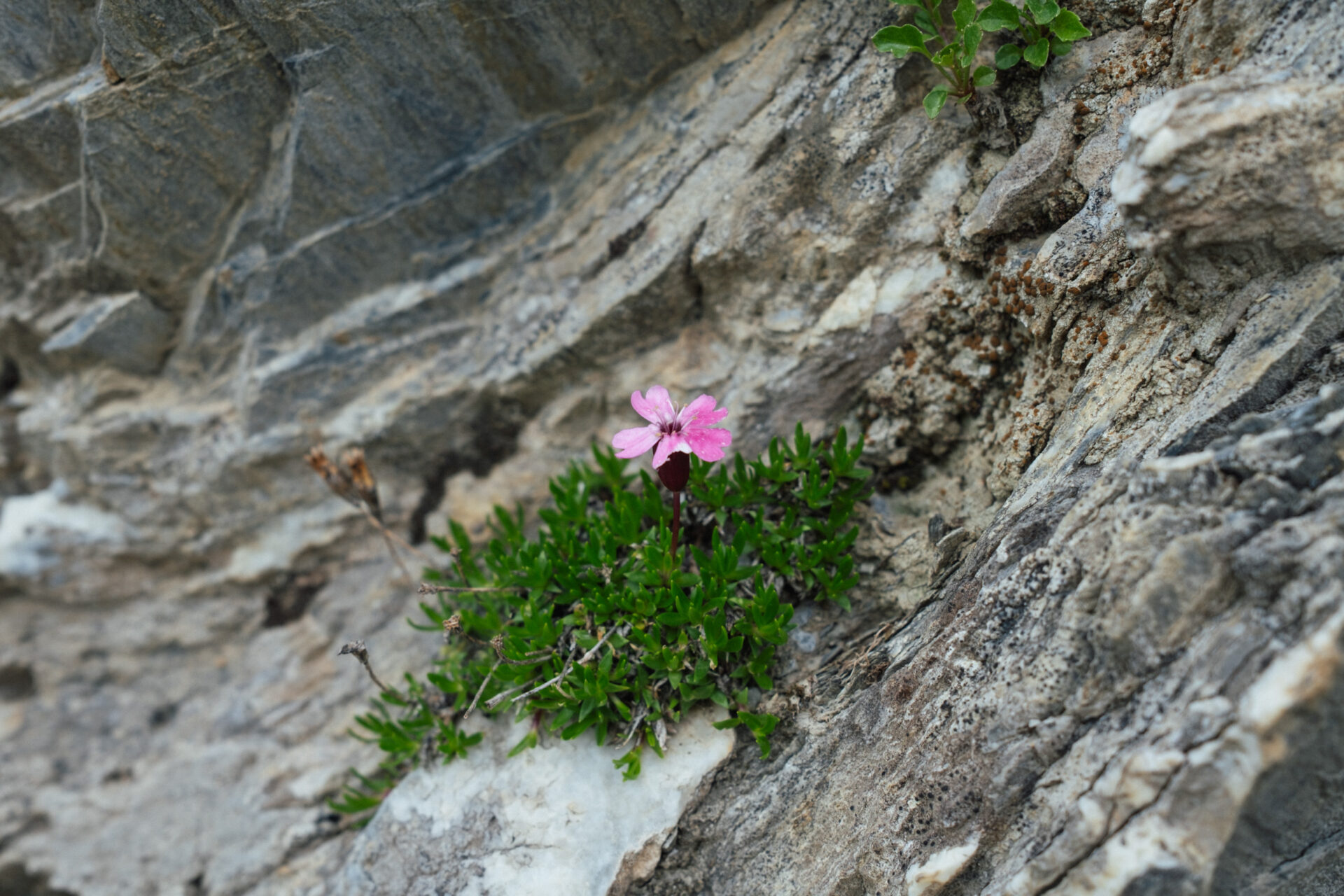
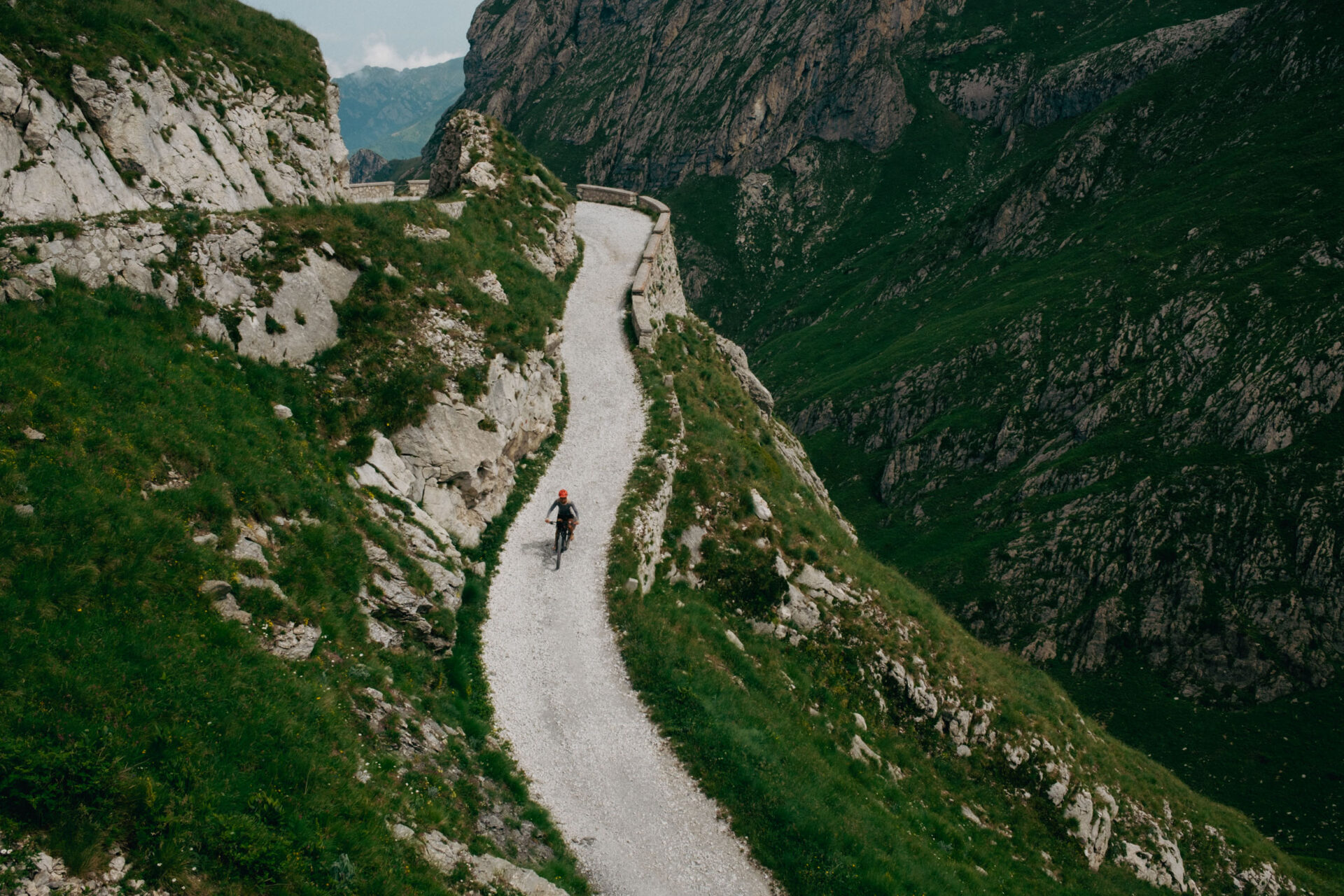
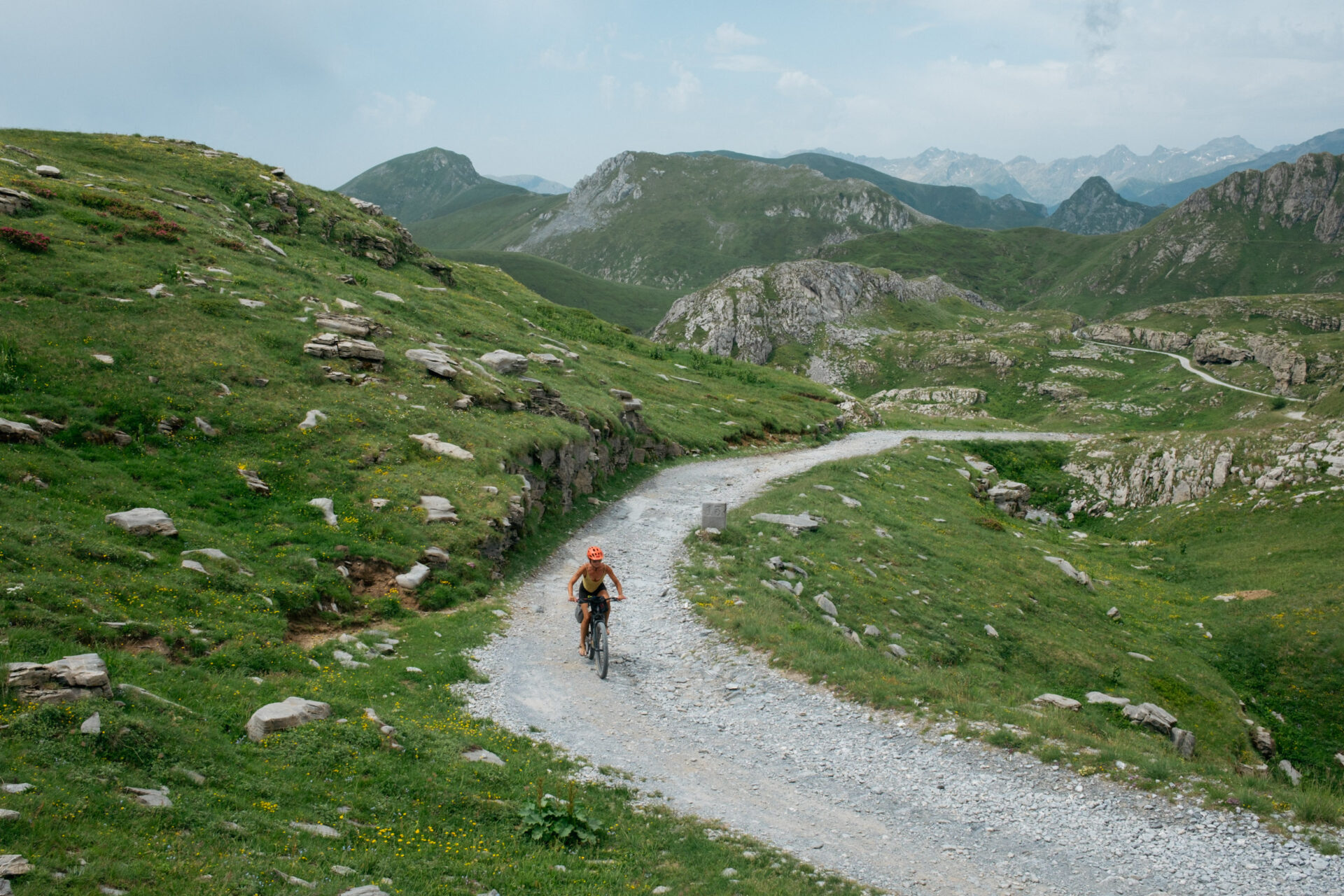
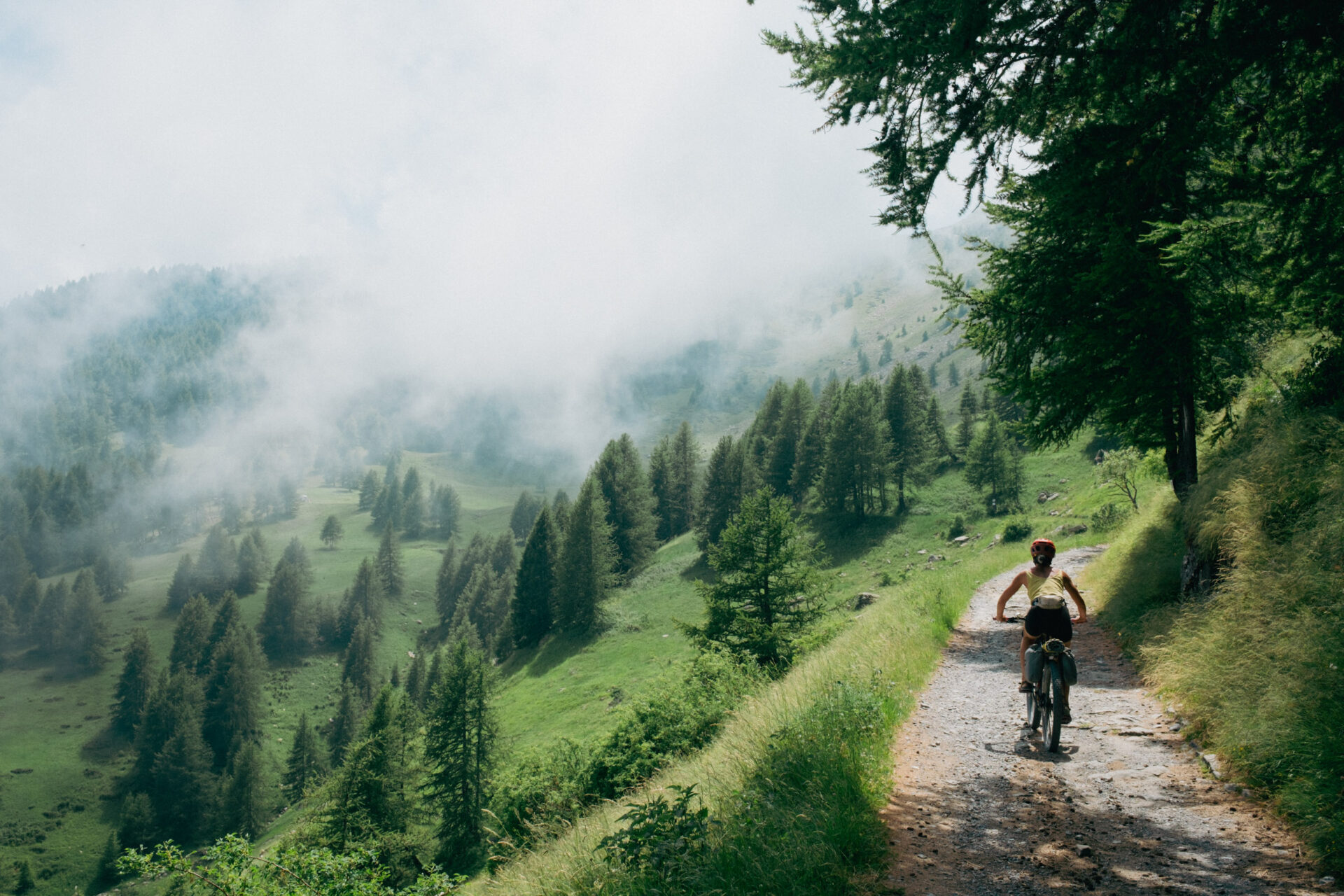
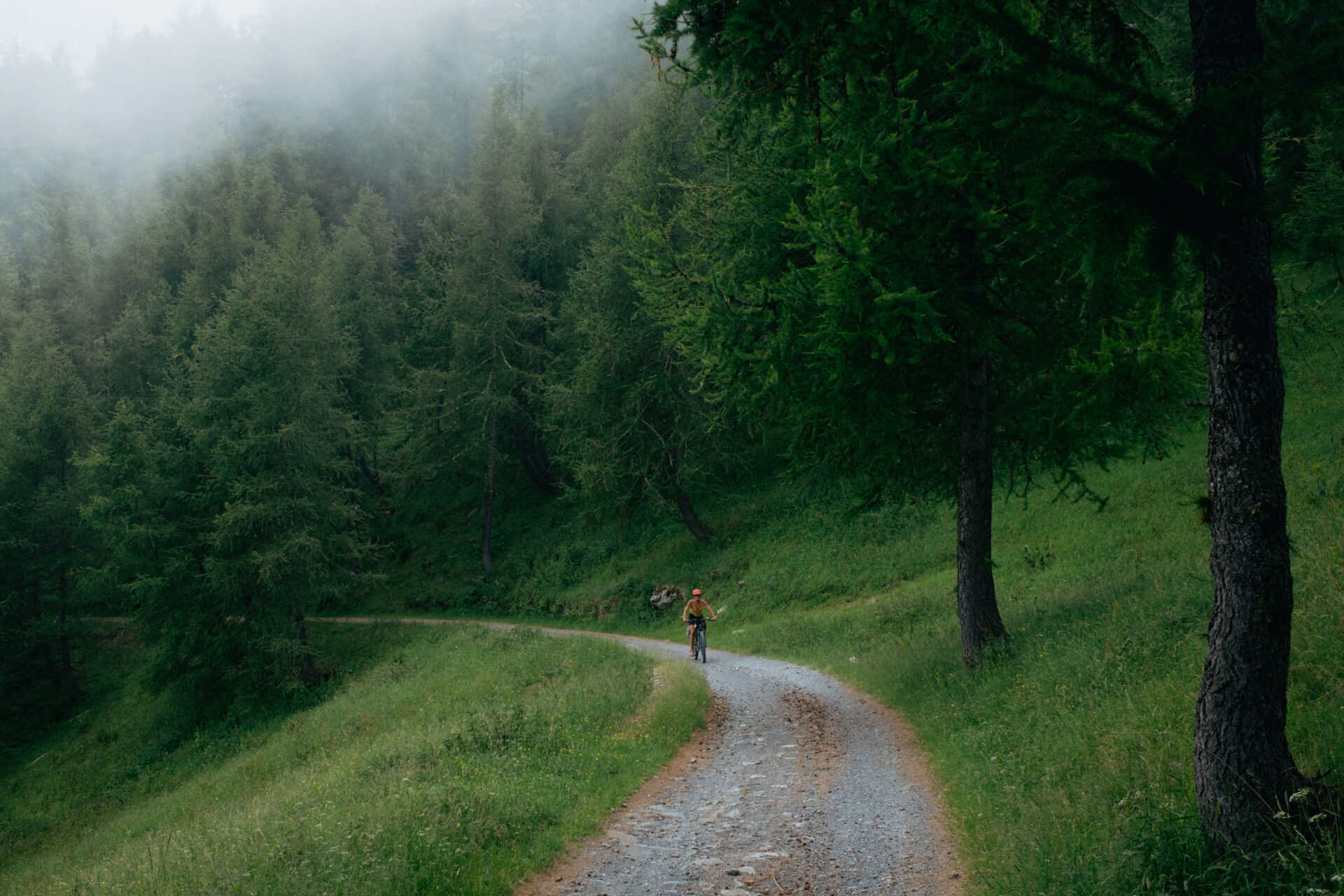
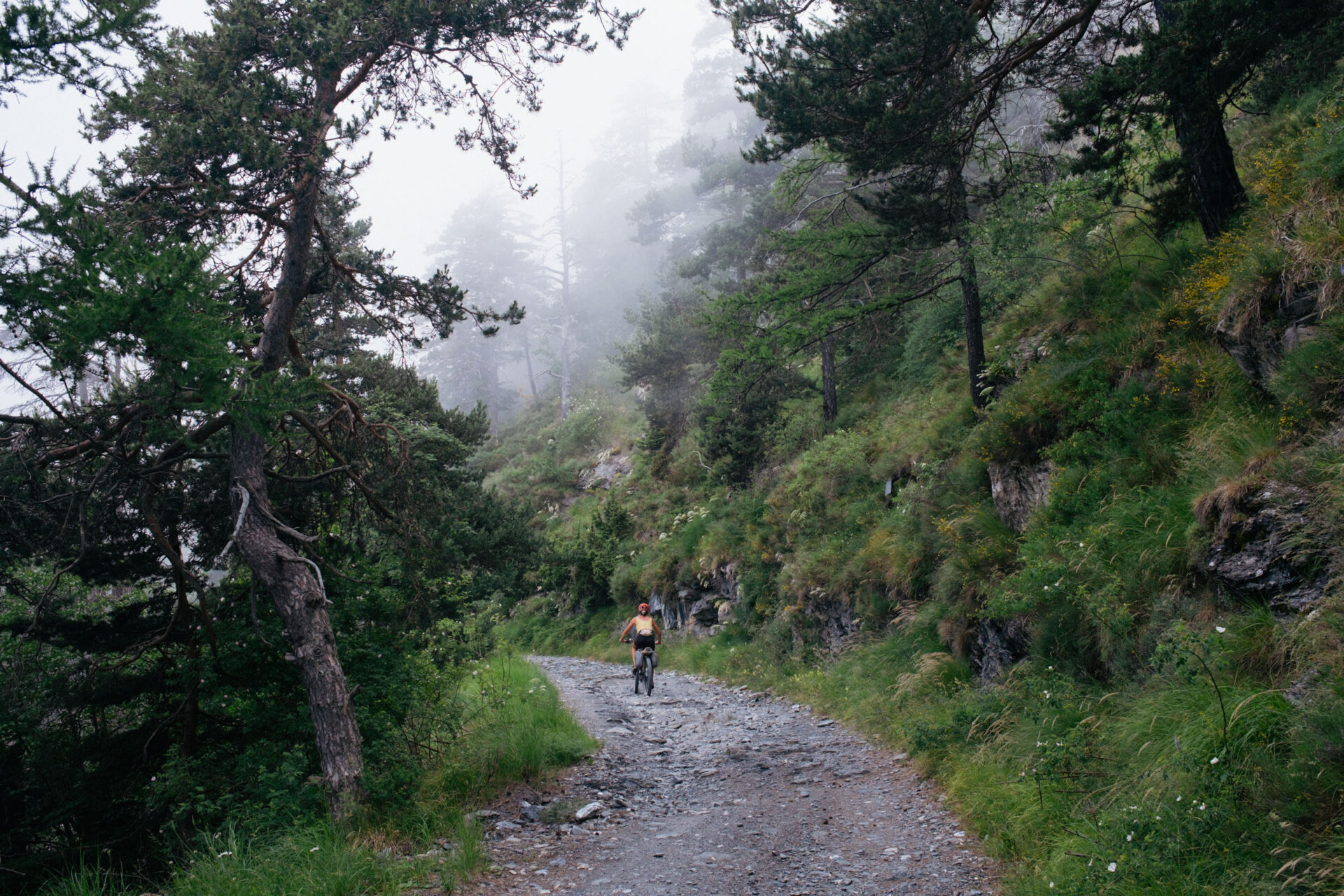
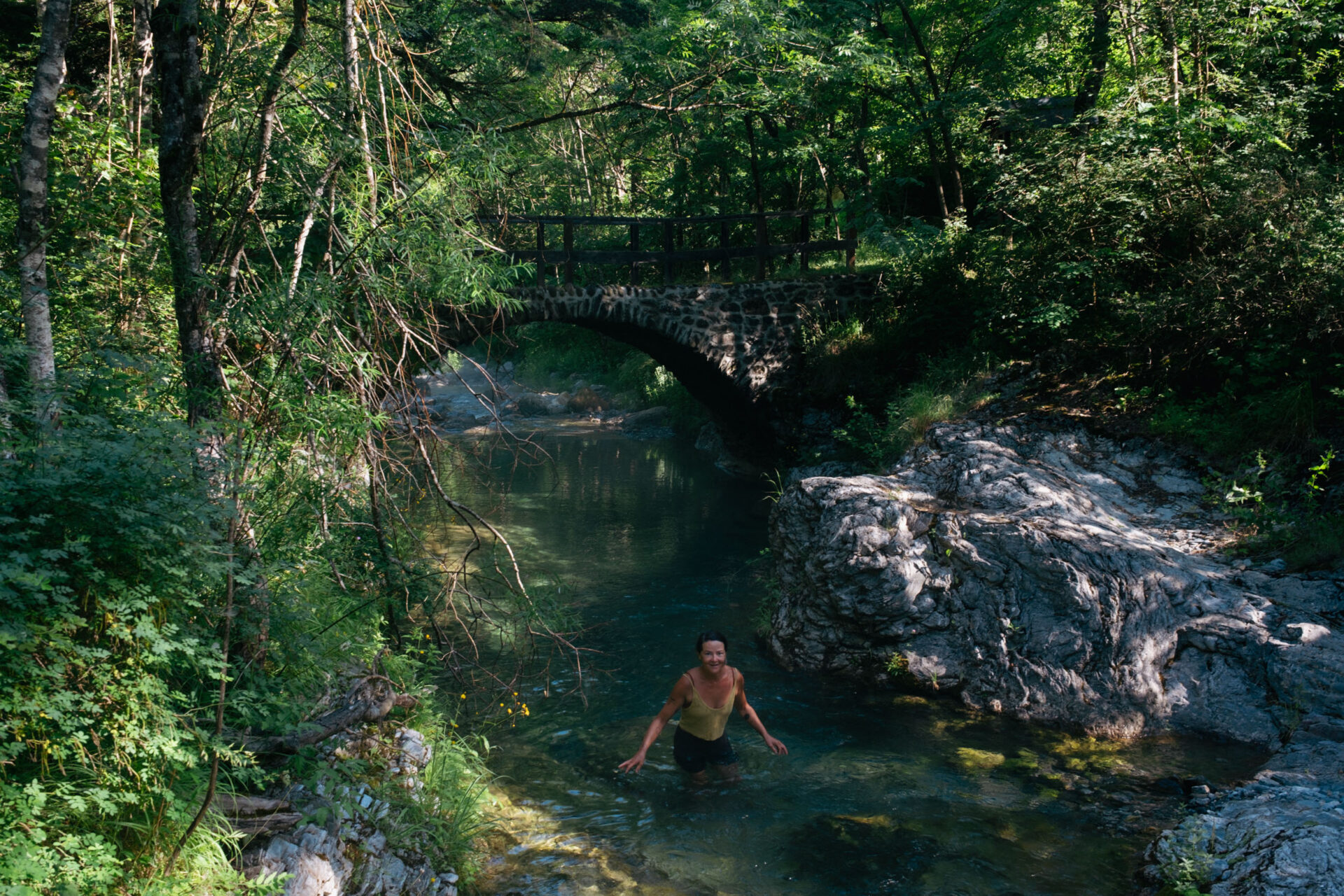
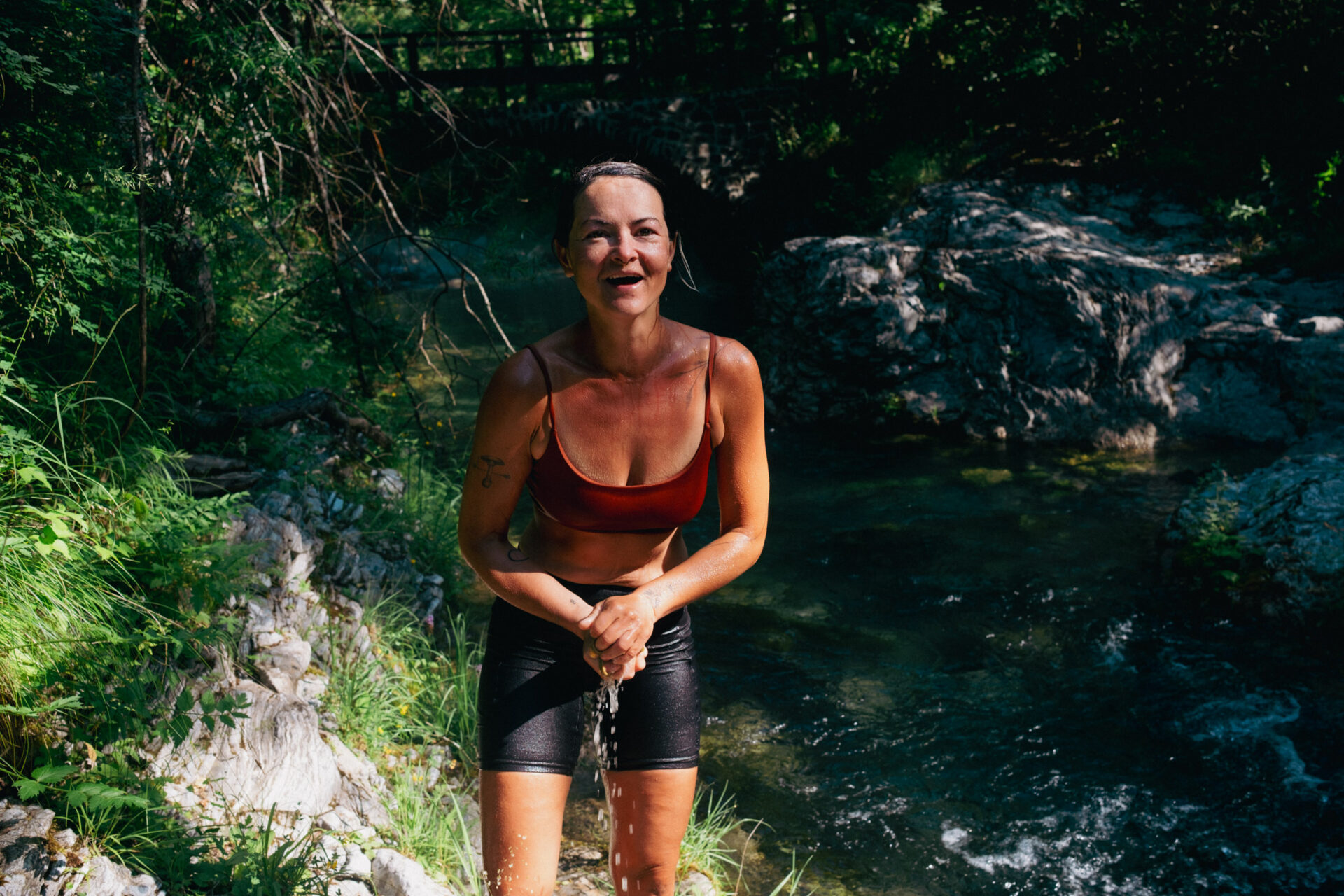
Please take me back to being outside 24/7 on long summer’s days, epic alpine two tracks, and cold plunges!
The Route and Our Mods
Here’s the route as we rode it this summer, beginning in Cuneo, with all the rough-stuff alternates that feature on the official TNR, and a couple of suggestions too.
If you’re aboard a skinnier-tyred gravel bike, or you’re adverse to hike-a-bikes, you can of course plot a faster crossing that keeps to mellower surfaces. But for me, the rough-stuff is what it’s all about!
And here’s the way I rode the first part of the TNR, again with all the roughstuff alternates, plus a bunch of my own (which worked with varying degrees of success!)
Some Logistical Wrangling
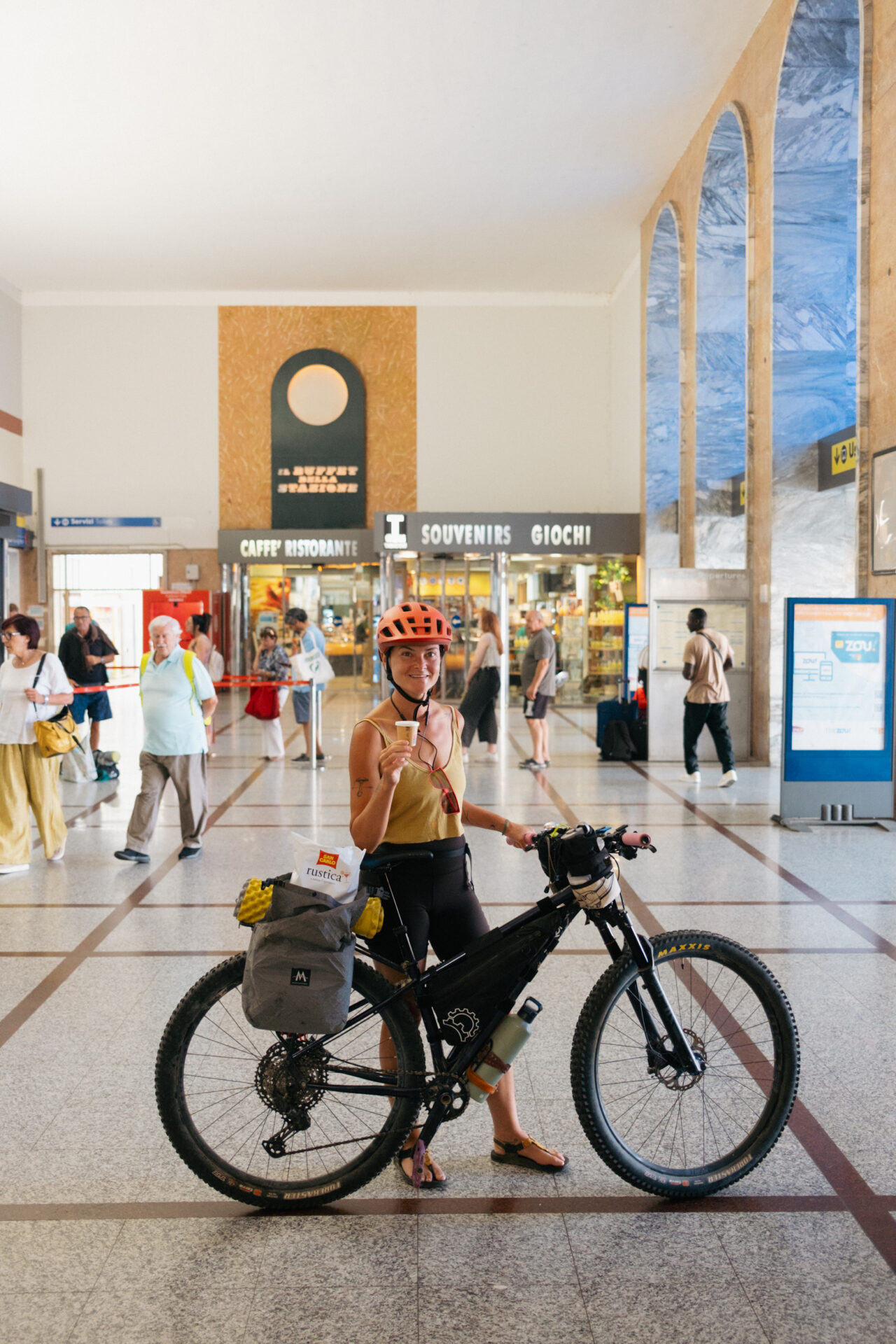
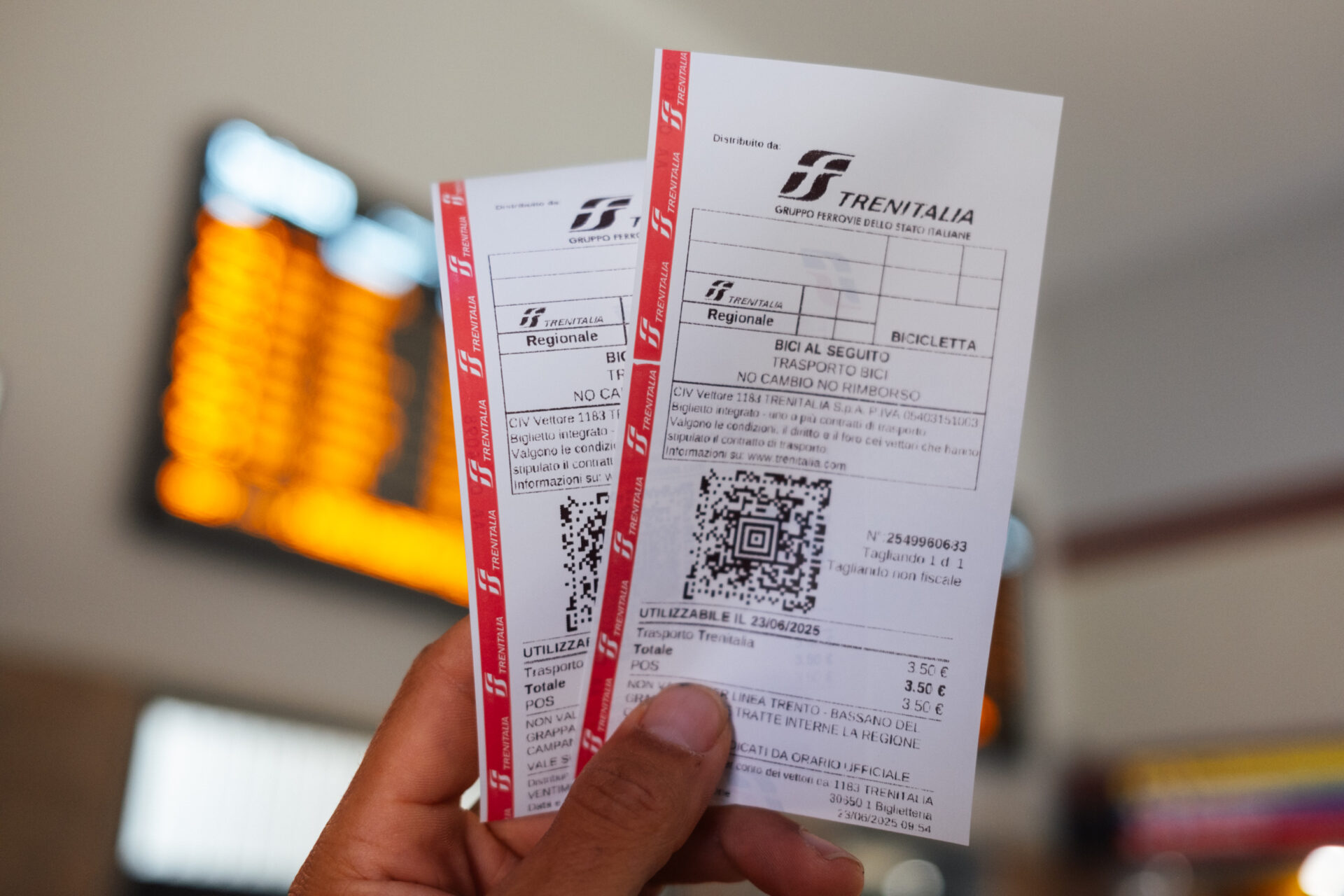
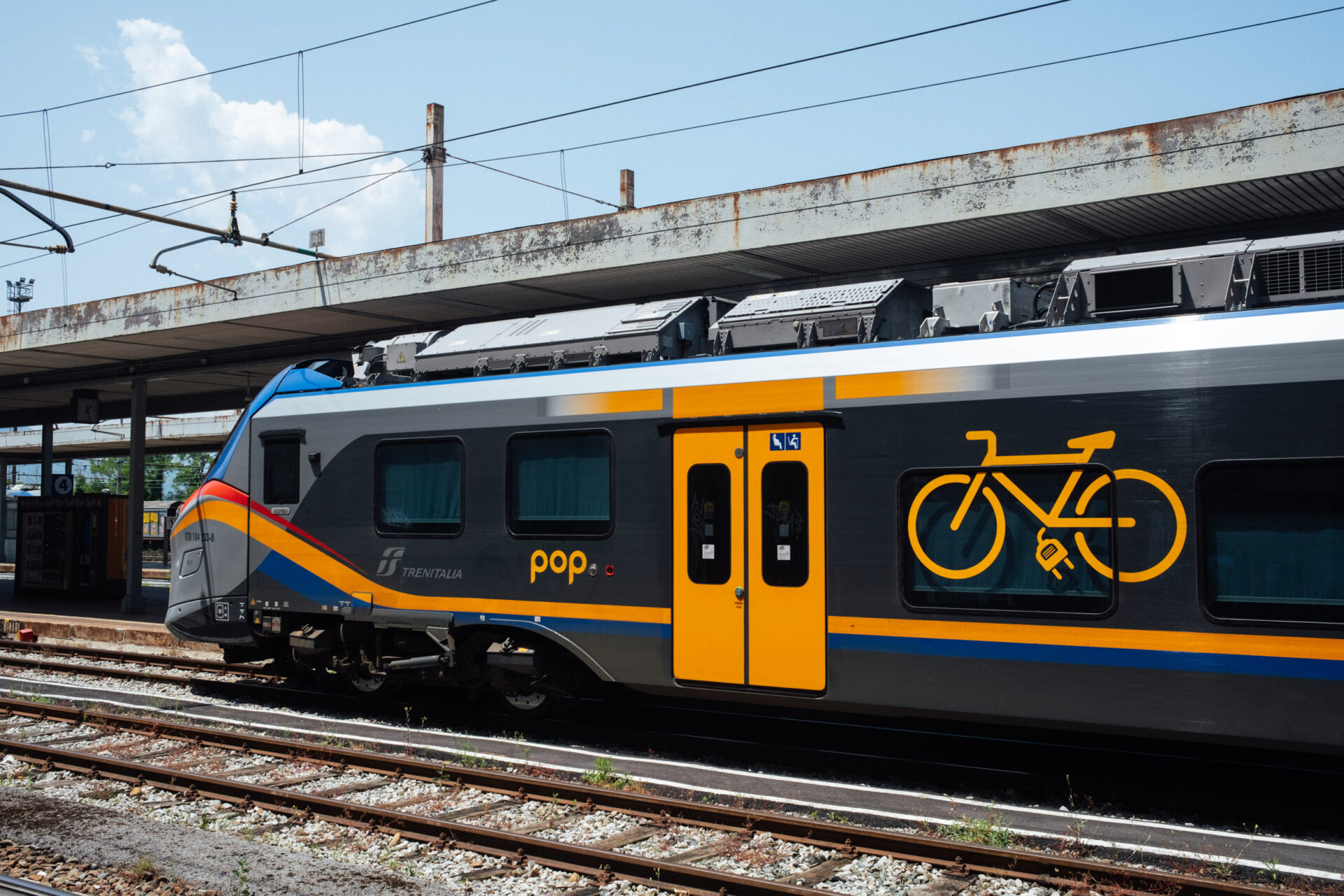
Our first espresso in Italy! And Italian trains have charging outlets for e-bikes!
As we were already in the South of France on a family holiday, we took the train to Cuneo, changing on the Italian border in Ventimiglia. The bikes are free on the French line but don’t forget to buy your tickets for the Italian one, as it’s a lot more expensive if you have to get it on the train.
On the way back, we ended up having to take a bus from Breil Sur Royan to Nice, due to an issue with the trains that are running that line. The first bus wouldn’t take our bikes for some mysterious reason… but the second did.
Recommended (but not completely related!)
Although somewhat different in vibe, I really enjoyed this Youtube about a budget bike ride to Paris, so upbeat and fun! The presenter has a really nice manner, and way with people. The joy of bike touring!
This podcast on the Daily about food dyes is interesting, particular how different regulations and perceptions are around food in the US compared to Europe. For sure, the quality of food from supermarkets feels so much higher in Europe than it does in the States, something we really noticed in Italy and France.
Google Earth by Street View; James Riotto and John Vanderslice. Music not mapping!
Actually, we did listen to Andrea Laslo de Simone on the TNR, such an amazing soundtrack to being in the Italian Alps. So much drama!
Thanks for reading. Any questions, please drop them in the box below!

edouard
29 July 2025 at 2:03 pm
Great pics, as usual. I love that high semi-alpine terrain with the rocky peaks jutting up above the meadows. Looks like good weather, of course that’s when you take photos.
Are there any bugs?
I’ve given up transporting bicycles to Europe, as the costs/hassle have become too much, I just rent, but for that kind of trip, you do need the right bike.
You are lucky to have a partner like Emma with whom to share those kinds of adventures!
Cass
30 July 2025 at 8:03 am
We hit a really good weather window but… it was really hot at times, too. Maybe this is the new normal.
Bug situation wasn’t too bad. We were ok in our tiny tarp, though perhaps I’d take one with a bug net next time.
We’d ridden our bikes in the Gorges de Verdon the week before, and had plans to use them in the UK, so it was worth the hassle of getting them there. But it definitely made our lives complicated and was especially exhausting in the heat with all our luggage, as we had to bag all three bikes for the TGV to Paris, then get them across the city for the next train to Cherbourg, then rebuild them to ride them to the ferry port! I took the Eurostar the year before, but that’s really complicated with bikes too, and can be really expensive.
Almost everyone in the French and Italian Alps were on e-bikes! There’s an amazing infrastructure now to charge them up, even in the little refugios, while you’re enjoing your espresso!
mike
31 July 2025 at 12:33 pm
so good… !
so much to do, so little time….. !
Cass
31 July 2025 at 9:12 pm
Sigh. So much…
And thanks!
Gonzalo
7 August 2025 at 10:47 am
Great Article Cass!
One question though, do you need any special permission for wild camping or should one just try its luck? Planning on doing this route in September.
Cass
26 August 2025 at 4:32 pm
Thanks Gonzalo!
Technically, wild camping isn’t permitted but I believe camping/bivouacking in much of Europe is accepted at around 2000m and above, especially for bikers and hikers. And there are refugios, too, which you can ask to camp at.
In terms of wild camping, I think the key is being discreet, and arriving late/leaving early. We didn’t hop any fences into private land, just used areas that were relatively easy to access. We saw plenty of car campers too. I’m pretty sure the Torino Nice website has some general guidelines on the matter here:
https://torino-nice.weebly.com/faqs.html
gaston
26 August 2025 at 7:14 pm
Nice post! Question about the setup.. I have an Ogre with redshift seat suspension and a suspension stem, usually paired with 2.4 mezcals. My bikepacking terrain is usually similar to this stuff in your post. I’ve been thinking about trying a Jones. But I’d use it to replace the surly as a do it all bike. I comnute every day with it on pavement. Would you go for the SWB or LWB.
Side note, I didn’t enjoy the Jones bar thát much on my Ogre but in my mind I feel like the bike will be different. Let me know if that’s wishful thinking xD
Cass
26 August 2025 at 7:47 pm
Hey! Thanks for the comment.
I personally prefer the LWB over the SWB. The LWB has a very particular geometry and ride feel that I’ve yet to experience with any other bike; it manages to combine a quick handling character with a confidence-inspiriting sense of stability on techy descents. And it climbs especially well too. It’s a bike that I enjoy riding literally every time I hop on it!
However, if you’re mostly commuting on road or riding gravel/more mellow trails, and you plan to run, say, 29 x 2.4in tyres, the SWB is perhaps the better option. It’s a little more compact and ‘punchy’. I have an older SWB in the US and that’s the way I plan to set it up – with a light wheelset and 2.4in tyres, as my ‘gravel bike’. You can still run the SWB with 29 x 2.6s (or even bigger up front), which, combined with a dropper post, makes it a very capable cross country mountain bike too. One thing to note though. Both use 150TA front hub spacing, which means you need to go custom if you want to build up a second wheelset.
IMO both are really comfortable bikes, as the riding position is much the same between the two. I find a Jones bar on a Jones bike feels very different to a Jones bar on a non-Jones bike, as they really are designed holistically together, rather than as a sum of parts.
That’s my take. Hope it helps!
Gaston
26 August 2025 at 9:20 pm
Thanks for the elaborate response, that helpa a lot! I think for bikepacking I’d prefer the LWB too. Would the LWB with 29×2.35 G Ones ore Mezcals work well as a commuter? I commute with that setup now and I like it, albeit with 25mm inner width rims xD I think the narwhal will be great for the commute too.
I usually take the train or sometimes a friend’s car bike rack to get to a bikepacking destination and I’m a bit worried the LWB is too big for it. Then again, it’s not thát much bigger than the SWB?
Great blog btw, keep it up. I really enjoy the vibe of the stories. Right up my alley!
Cass
27 August 2025 at 9:53 am
Yes, the LWB is a relatively long bike and can sometimes be awkward to deal with, in terms of transportation and storage. The shorter SWB, especially when shod with smaller diameter tyres, does make it that bit easier to fit in a bike bag, car, train, etc… It’s not a huge difference, to be honest, but it’s definitely enough to be noticeable in some situations.
In terms of my own experience, the narrowest I’ve gone with the LWB is 2.5s (Surly ETs) and in the past, I’ve tried an SWB with 29 x 2.35s (Schwalbe G-Ones). I don’t see why you couldn’t go down to a 2.35s on the LWB, though bear in mind that the SWB has less bottom bracket drop so lends itself better to narrower tyres, whilst I’d say the LWB is more at home with wider tyres. Whether this is an issue or not will depend on what kind of riding you do, I think.
I do intend to try both the LWB and the SWB with my new wheelset (lightweight 35mm rims and likely 2.35/2.4in tyres) I just haven’t had a chance yet! From past experience, I know that an SWB with light rims and 2.35in tyres feels quick and snappy, and perhaps more fun for city commuting and gravel riding. But as I said before, I much prefer the LWB for mountain biking. and it’s the bike I would personally choose if I could only have one!
Gaston
27 August 2025 at 2:17 pm
Thanks, that all makes a lot of sense. I think I’ll go for the LWB and get a second pair of 35mm rims for commuting and gravel like you say! The ETs are actually also a great commuter tyre. I’m not sure what to expect from the stock aluminium rims, they’re so wide compared to anything I’ve used!
I’m based in Europe so I’ll probably get the complete bike from the website and start upgrading from there.
edouard
4 October 2025 at 12:12 am
I totally agree with you on the Jones bike thing. Jones bars are different on Jones bike. I had Jones bars on a Thorn Raven and it wasn’t the same.
Cass
10 October 2025 at 3:18 pm
Right!
I’ve actually tried an LWB with other handlebars and whilst it was interesting enough for a time, everything just felt ‘right’ when I put the Jones bars back on!
Aaron
1 August 2026 at 4:58 pm
really nice story and pictures. I am wondering about the wild camping situation. I’m not concerned about the legal aspects, but about safety reasons whit shepheard dogs, cows and also farmers. do had any problems or did you specially chose your spots with this concerns in mind?
thank you very much for your help and your great post
Cass
4 August 2026 at 10:03 am
Hi Aaron,
There’s some thoughts on wild camping etiquette over on the TNR site:
https://torino-nice.weebly.com/about.html
Where possible, we picked remote spots that were unlikely to bother anyone, arriving late and leaving early, and of course, leaving no trace too. That seems to be an accepted practise amongst through hikers and cyclists. No safety issues to report.
It does depend on where you are though. In the Parque Nacionales in the Catalan Pyrenees (and maybe elsewhere in Spain?), you’re officially allowed to camp from 8pm to 8am, with a small tent, so long as you’re above 2000m. And there’s a number of basic but free refugios there too if the weather caves in, which is great!
https://stilloutriding.com/2025/08/my-gran-travesia-del-pirineo-catalan-part-1/
Cass
28 August 2025 at 5:26 pm
Yes, those alloy rims are wide and on the heavy side. But so far, they’ve proved very reliable and strong. They’re likely best suited to 3in tyres but I’m happy running 2.6s on mine. I think 35mm rims are probably a really good all round width for running lighter, fast rolling tyres that suit these mixed terrain euro routes, given how smooth the asphalt tends to be. And, they’re much more public transport friendly than big tyres on wide rims, which can be a deciding factor too. All this said… big tyres on wide rims are incredibly capable off road!! I like to swap out my rigid post for a dropper post, as it makes for a fantastic trail riding setup.
Jason
4 September 2025 at 6:24 pm
Great photos!
Cass
10 October 2025 at 3:19 pm
Thank you!
Diarmid
9 September 2026 at 12:48 pm
What lovely photos! I did the TNR route this summer, including the hike-a-bike through “little Peru”, parts of which I had to do as a portage (bike first, then luggage).
It seems to be a law of hike-a-bikes that whatever the length, it usually takes 30-60 minutes longer than you really want it to. But on the far side was Rifugio Gardetta with its friendly staff and cold drinks: what could be finer?